
A health watchdog found patient’s confidential health records were left in an unlocked room, and doctors failed to check up on patients left on high-risk medication
05:08, 27 Feb 2026Updated 09:36, 27 Feb 2026
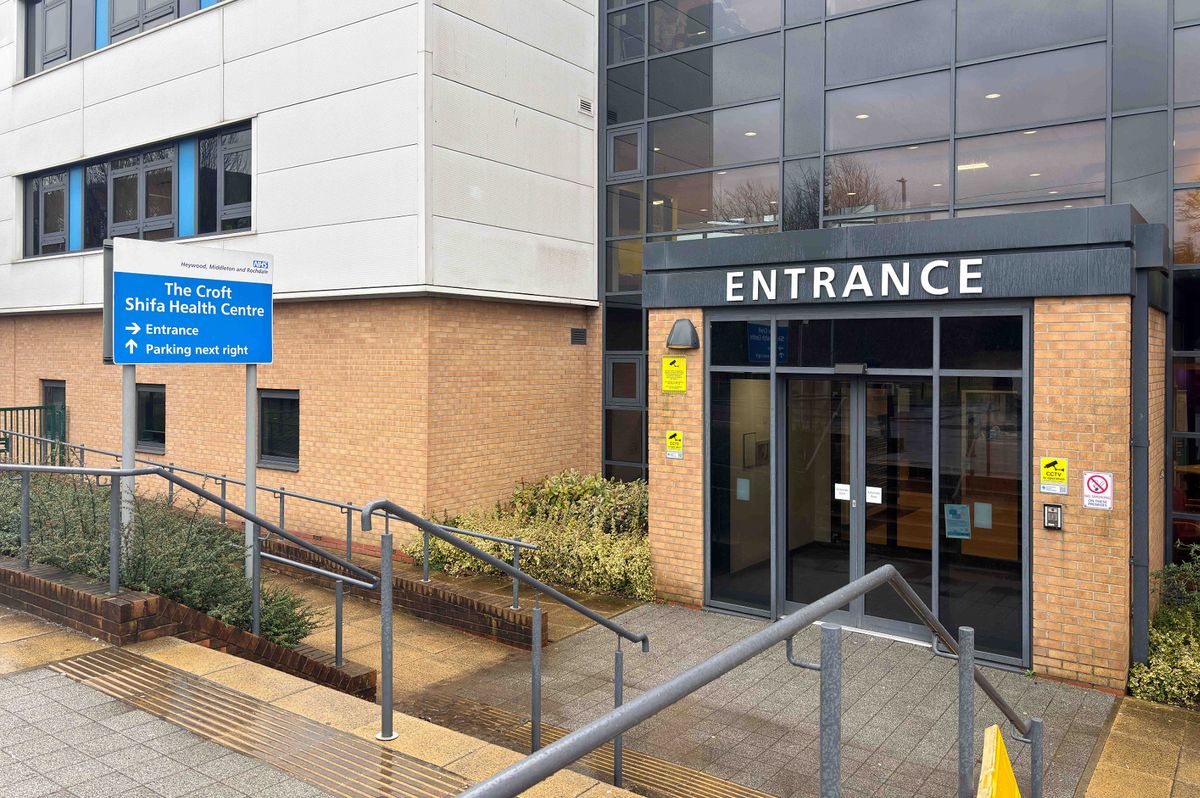
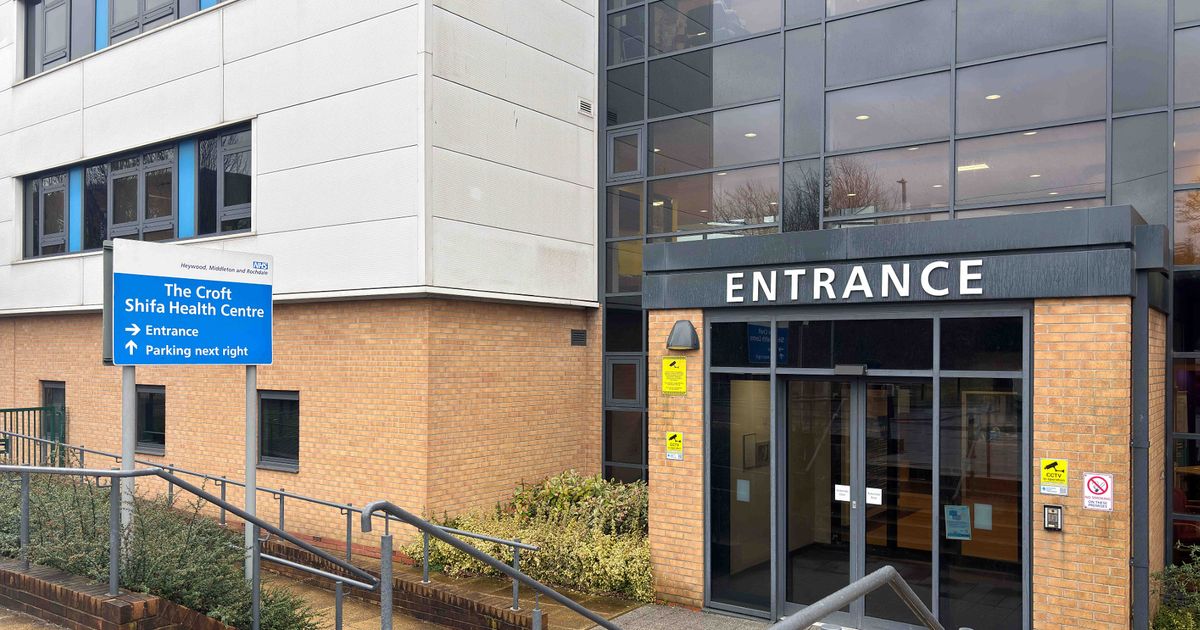
The Croft Shifa Health Centre, Belfield Road, which hosts Dr IK Babar & Partners on the second floor
A GP practice has been slammed by a health watchdog and placed in special measures after damning findings were published in a report. Confidential health records were left in an unlocked room, inspectors found, and doctors failed to check up on patients left on high-risk medication.
Dr IK Babar & Partners, in Rochdale, has been dropped from good to inadequate by the Care Quality Commission (CQC), following an inspection in December. The surgery provides GP services to around 8,000 people in Rochdale.
In a report published today (February 27), the CQC said: “Not all emergency equipment was available, and checks were not in place to ensure the equipment was in working order.
“Not all staff could recognise a deteriorating patient and did not know what action to take.
Click here to prioritise Manchester news in Google from the MEN
“There was no evidence that staff had completed basic life support or sepsis training. Patients were not always advised on risks related to their condition and what actions to take if their condition deteriorated.”
The inspection came after ‘concerns received about the quality of care being delivered’, according to the Ofsted-equivalent watchdog in healthcare. After finding a slew of concerns during the December probe, inspectors issued warning notices to focus Dr IK Babar & Partner’s attention on making immediate improvements regarding staffing and good management.
The practice is located in The Croft Shifa Health Centre, on floor two, on Belfield Road.
Alan Stephenson, CQC deputy director of operations in the north west, said: “When we inspected Dr IK Babar & Partners, we were disappointed to see such a deterioration in the quality of care being provided to people. Our experience tells us that when a service isn’t well-led, they are less likely to be able to provide good care which is what we found here.
“GP partners and senior leaders were unaware of the issues we found during this inspection. For example, when incidents occurred, we saw no evidence of discussions taking place, learning being shared or actions taken to keep people safe.
“It was concerning that people who were prescribed high risk medicines weren’t always called for check-ups in line with national guidance. Additionally, staff didn’t aways advise always people on risks related to their condition and what actions to take if their condition deteriorated.”
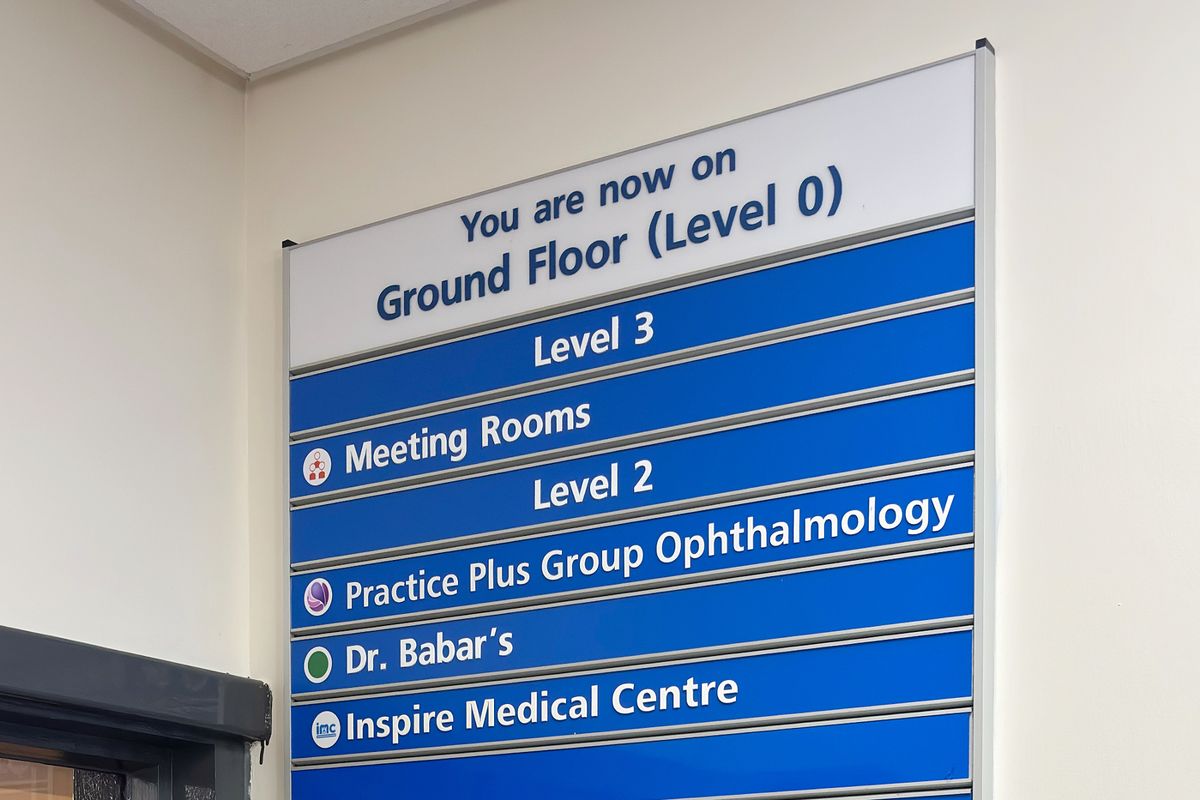
The practice is located on the second floor of the health centre
Inspectors discovered that patients were not always involved in decisions about their care and treatment, that confidential health records weren’t always stored securely, and that there hadn’t been the right disclosure and barring checks on staff.
The report, published today (February 27), reads: “Patients taking high risk medications that required regular monitoring were not always called or recalled where required in line with guidance. The process in place for call/recall/identifying these patients was not robust.
“We also reviewed the prescribing and monitoring of a medicine that can be harmful if not taken correctly, so regular monitoring and clear instructions are essential. We found examples where the day of the week the medicine should be taken had not been recorded, and shared care agreements were missing.
“The practice did not manage prescription stationery securely, nor in line with national NHS guidance. There was no prescription security policy and serial numbers of any prescriptions held at the practice were not recorded.
“Paper prescriptions were not tracked safely within the practice, which could increase the risk of misuse or prescription fraud. This indicated a lack of effective systems to protect against potential prescription fraud.
“For example, prescriptions were kept in unlocked printers within unlocked rooms and were not secure. We found a completed prescription containing patient information in an unlocked room.”
“It was positive, however, that reception staff understood the diverse needs of people in the local community,” continued Mr Stephenson. “For example, they used digital flags within the records system to highlight any specific individual needs, such as the requirement for longer appointments or for a translator to be present.
“We have told leaders where we expect to see rapid improvements and we will continue to monitor the service closely to keep people safe during this time.”
Dr Manisha Kumar, Chief Medical Officer for NHS Greater Manchester said: “We recognise that patients may have questions following the publication of this report, and we want to reassure people that patient safety is our absolute priority. Our focus is on supporting the practice to address the issues identified and to ensure patients continue to receive safe care.
“We are working closely with the practice and the Care Quality Commission to ensure that urgent improvements are made. These relate to making sure there are enough check-ups and clear advice about what to do if they feel unwell.
“Patients do not need to take any immediate action and should continue to attend appointments as usual. We will ensure the practice is given the appropriate support to improve as quickly as possible. A robust improvement plan is now in place, and we will continue to work alongside the practice as those improvements are delivered.”
Following the inspection, the CQC rated how safe and well-led the practice is as inadequate, and requires improvement for how responsive, caring and effective it is. The CQC has also placed the service into special measures, which involves close monitoring to ensure people are safe while they make improvements.
Special measures also allows the CQC to take action if the practice doesn’t improve against a specific timeframe.