
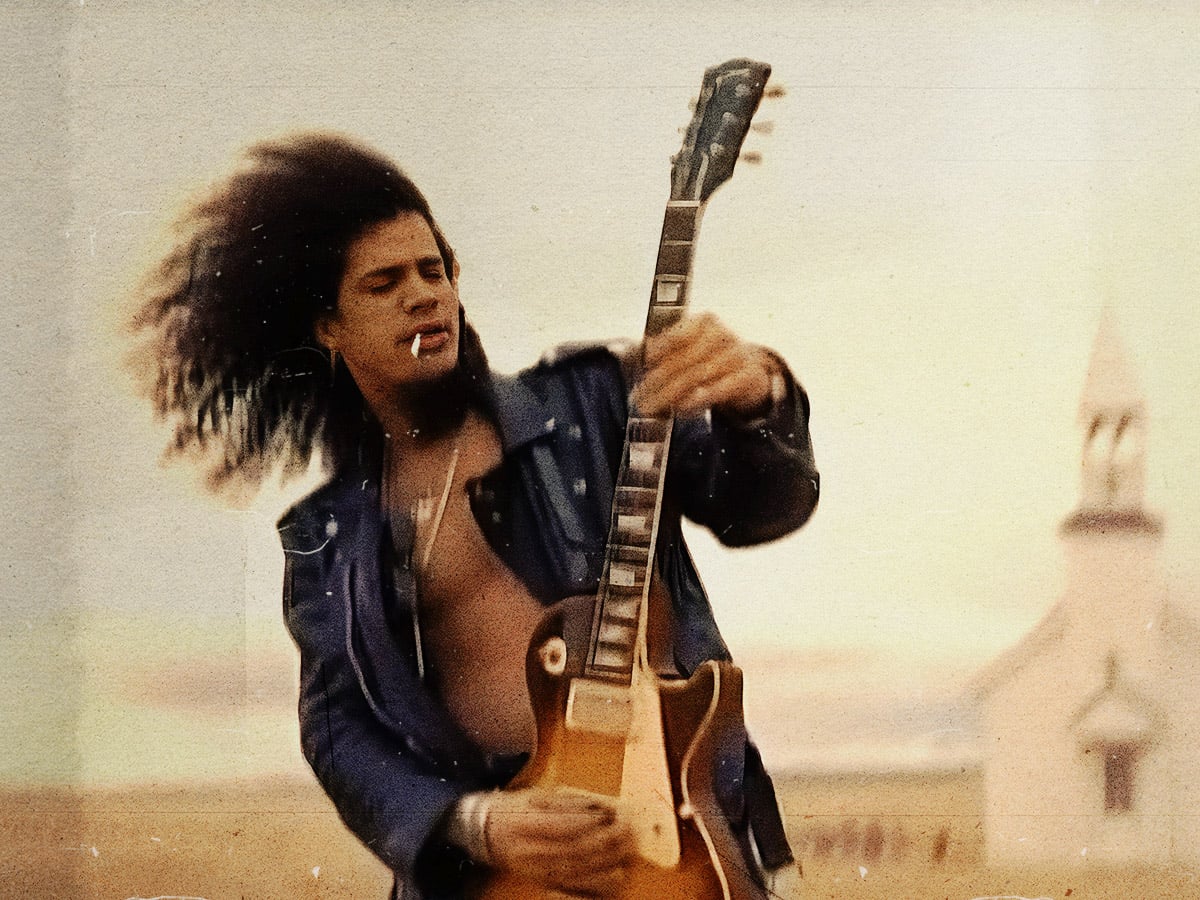
‘Sweet Child O’ Mine’ – Guns N’ Roses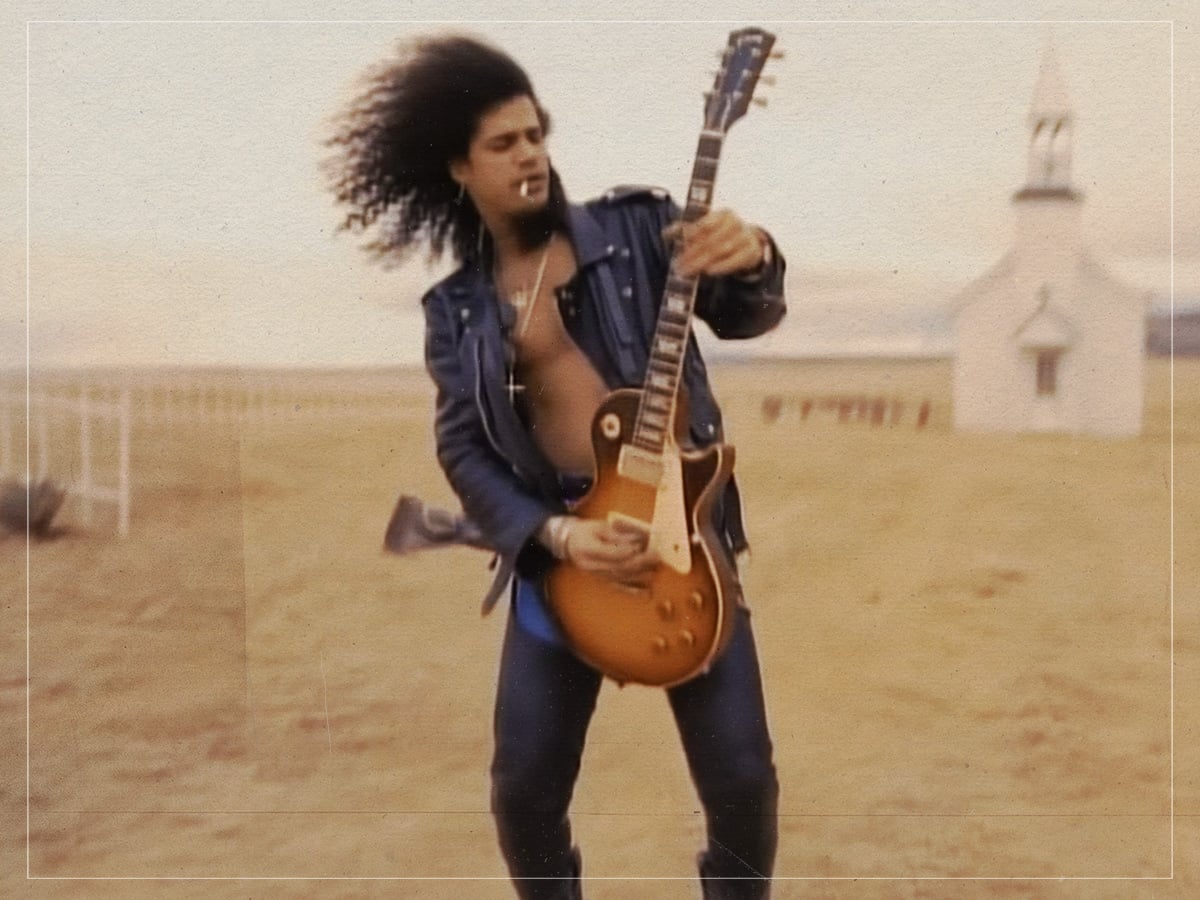
The road to creating Guns N’ Roses’ debut album, Appetite for Destruction, almost seemed to be happening on the spur of the moment. According to most band members, every song came incredibly fast in the rehearsal room, recounting the group’s time as one of the most dangerous musical acts on The Sunset Strip. Although Slash could make different kinds of riffs out of thin air, the one that would become classic started as a joke.
During rehearsals before the rest of the band showed up, Slash was messing around with a chord progression that he had that emulated the sound of a travelling circus, which would become ‘Sweet Child O’ Mine’. As Slash jammed on it with Steven Adler, Axl Rose was one floor above him, scribbling down lyrics about his love for his girlfriend Erin Everly.
By the time the rest of the band showed up to record, it was too late for Slash to explain that it was a joke, becoming one of their signature tunes. As much as Slash might be embarrassed by the song, it was absolutely necessary for the album to work. Although ‘Welcome to the Jungle’ proved that GNR were dangerous, ‘Sweet Child’ was about the sensitive child underneath that bad boy exterior.
‘Elderly Woman’ – Pearl Jam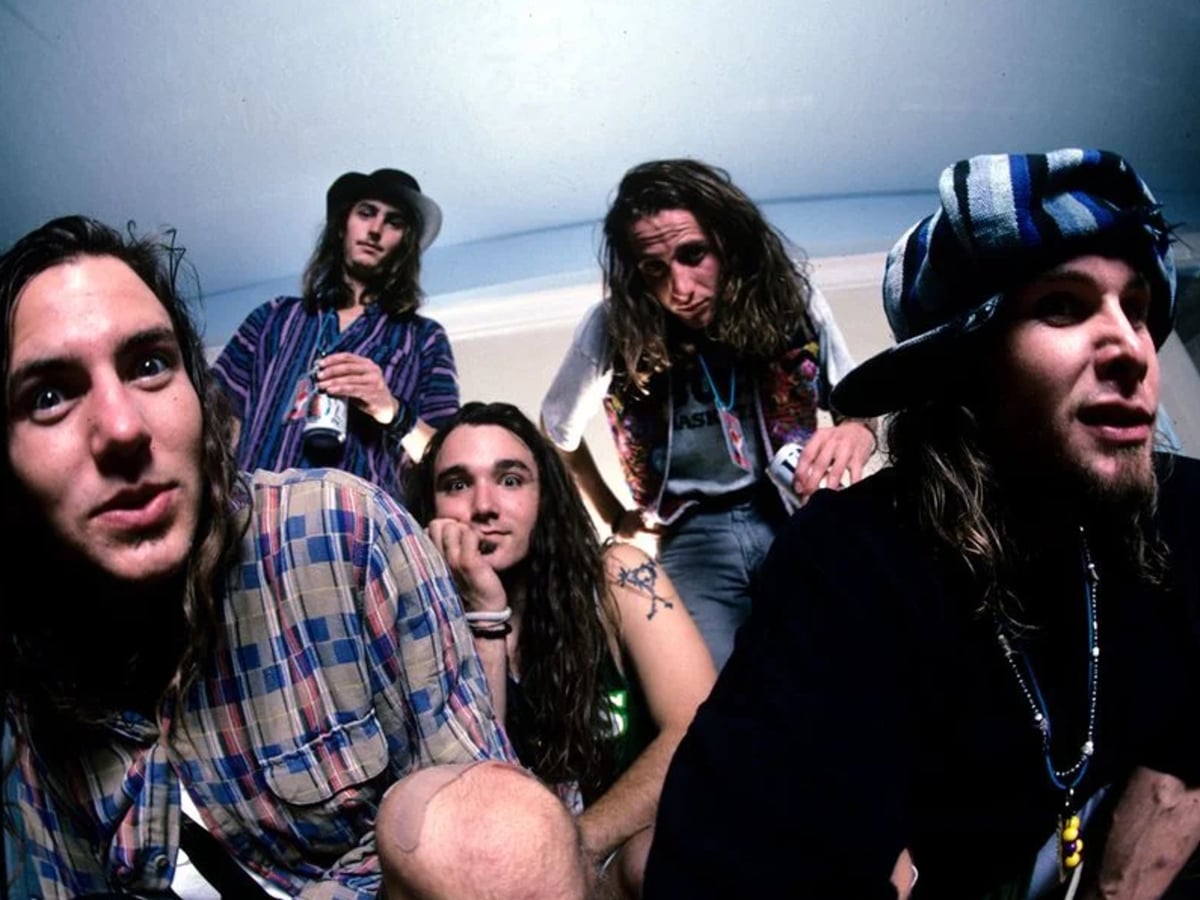
Pearl Jam didn’t have any aspirations to be one of the biggest bands in the world when starting out. The Seattle scene hadn’t even come close to blowing up when they were making their debut Ten, and they had no intention of trying to please the mainstream once they settled in for the follow-up Vs. After a long break after rehearsing for hours, Eddie Vedder had one of the group’s best ballads fall out of him.
Having not written anything for months since going on the road, Vedder kicked off the writing sessions for the album by strumming a guitar outside his house, sticking to open chords before weaving a melody around it. Although the full title was supposed to be a joke about how every Pearl Jam song title was one word, the context behind the elderly woman in a small town is far more tragic.
Instead of achieving her dreams, Vedder takes the perspective of this woman stuck in her small town, wanting to be something bigger than herself but being crushed by the hometown that she could never truly escape. Pearl Jam’s inception centred around changing from the ashes of Mother Love Bone, but this character piece is what happens when the changing landscape dictates the person.
‘Highway Star’ – Deep Purple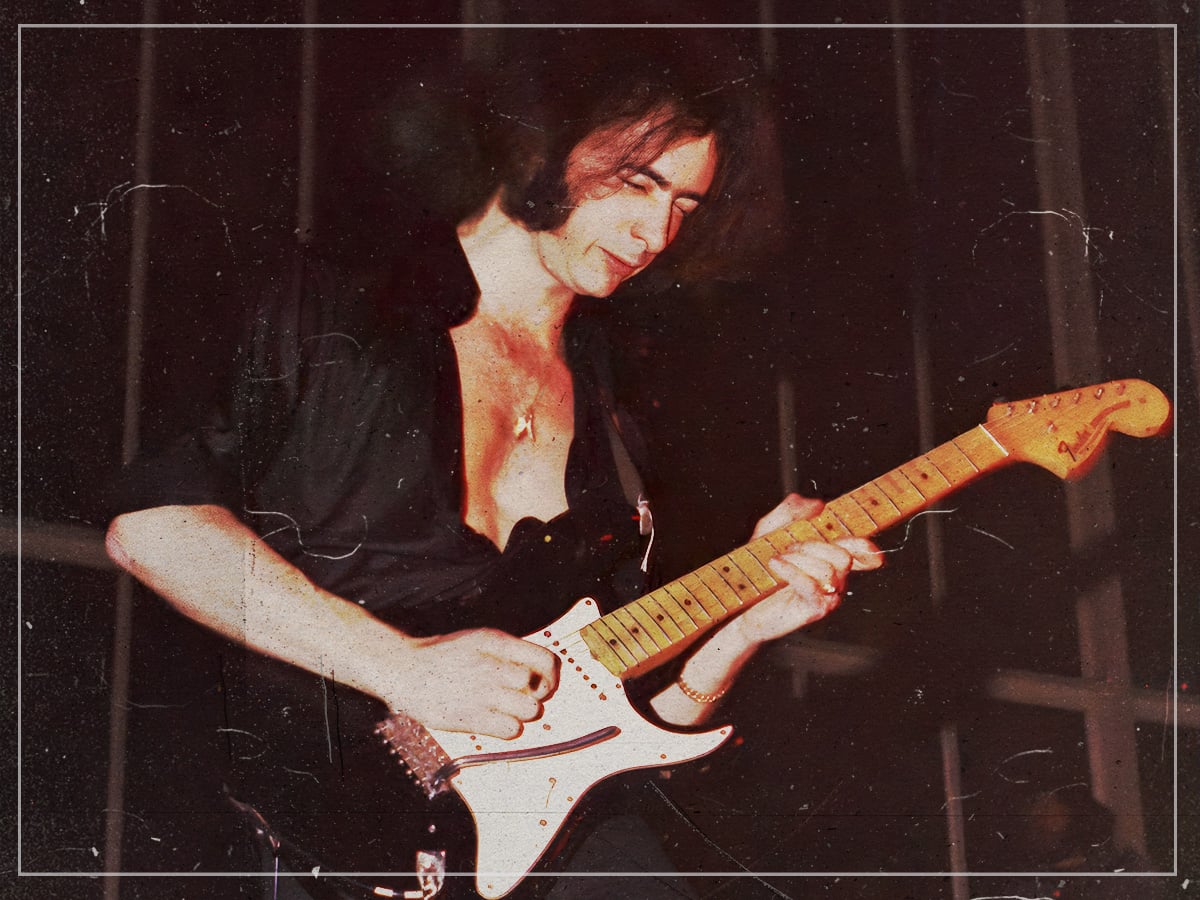
One of the most draining experiences any rock star can do is to go into meaningless interviews every day. Even though some lyrics are close to the chest, there will always be some reporter asking about what a song is about or what was going through the writer’s mind when writing this one line of text. Hearing those same questions repeatedly is bound to get annoying, so Ritchie Blackmore decided to write a song to pass the time.
Between different legs of Deep Purple’s tour, the band was asked different questions leading up to one of their shows, each more meaningless than the next. When the topic of songwriting came up, Blackmore’s flippant answer was to demonstrate how he wrote songs, electing to look out the window and absent-mindedly strum the open strings of his banjo.
Although it was meant as a way to mess with the journalists, the driving rhythm of that one note resonated with the rest of the band, with Ian Gillan writing ‘Highway Star’ around it about the wonders of flying down the open road in a new car. Inspiration is bound to come from many different places, but this was one of the first hard rock songs that forced its way into existence through sheer annoyance.
‘Everlong’ – Foo Fighters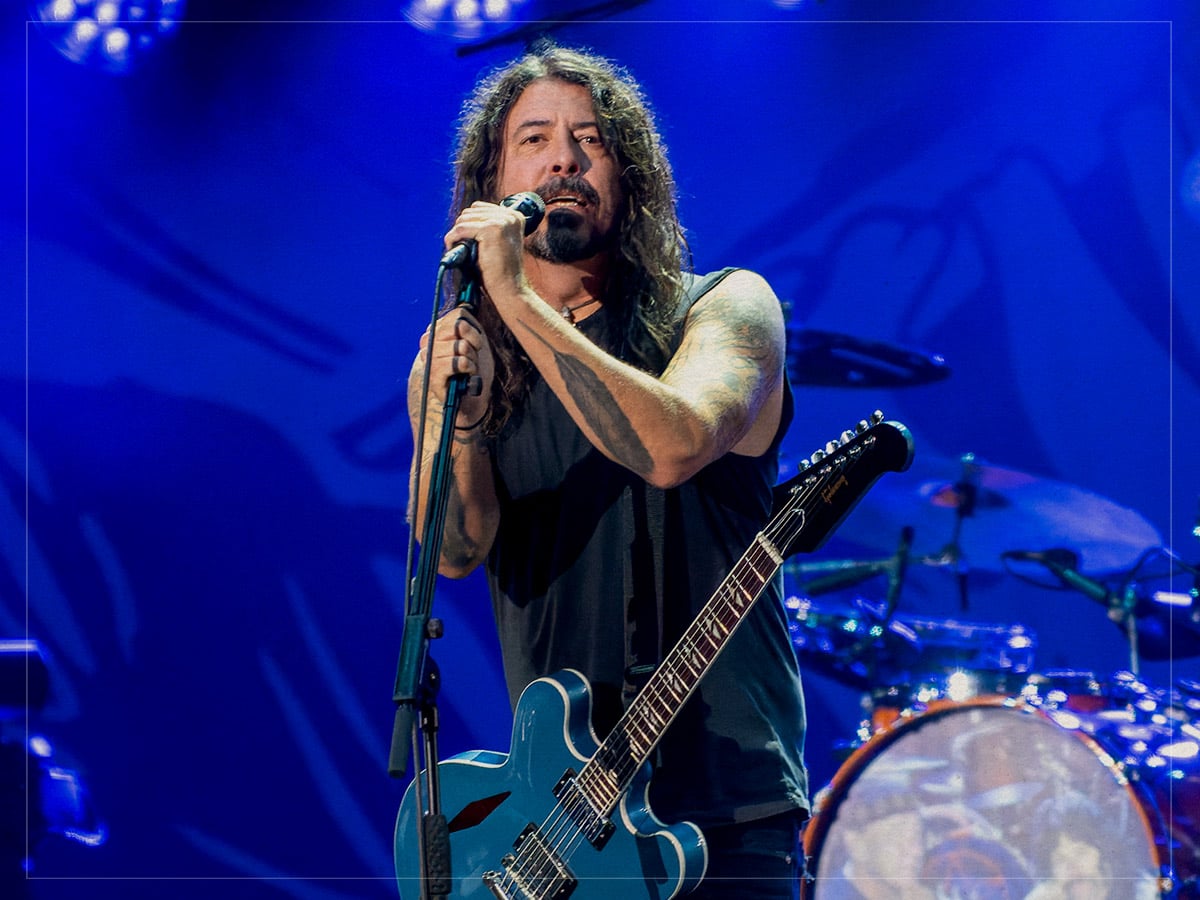
Dave Grohl never intended to turn Foo Fighters into a career. After assembling the group’s first album by himself at a local studio, the massive response to the tunes on the road made him take his songwriting more seriously, getting far more technical on The Colour and the Shape. Although most of the songs were from the demos Grohl was making on the road, ‘Everlong’ came together after Grohl hit a wrong chord in the studio.
During the recording of ‘Monkey Wrench’, Grohl was messing around with different chord shapes in drop-D tuning before hitting that perfect dissonant chord that kicks off the song. Loving the emotion that came out of the chord, Grohl wrote an entire song around this new progression, pouring his heart out about his recent separation by talking about how he and his old flame could connect through music.
Although ‘Everlong’ would become one of the biggest songs that the group ever had, it wasn’t until Grohl performed the song on a solo acoustic guitar on Howard Stern’s show that it started to take on its classic reputation. The instrument is often any musician’s emotional translator, but occasionally, songs are hidden within those pieces of wood and metal.
‘Paranoid’ – Black Sabbath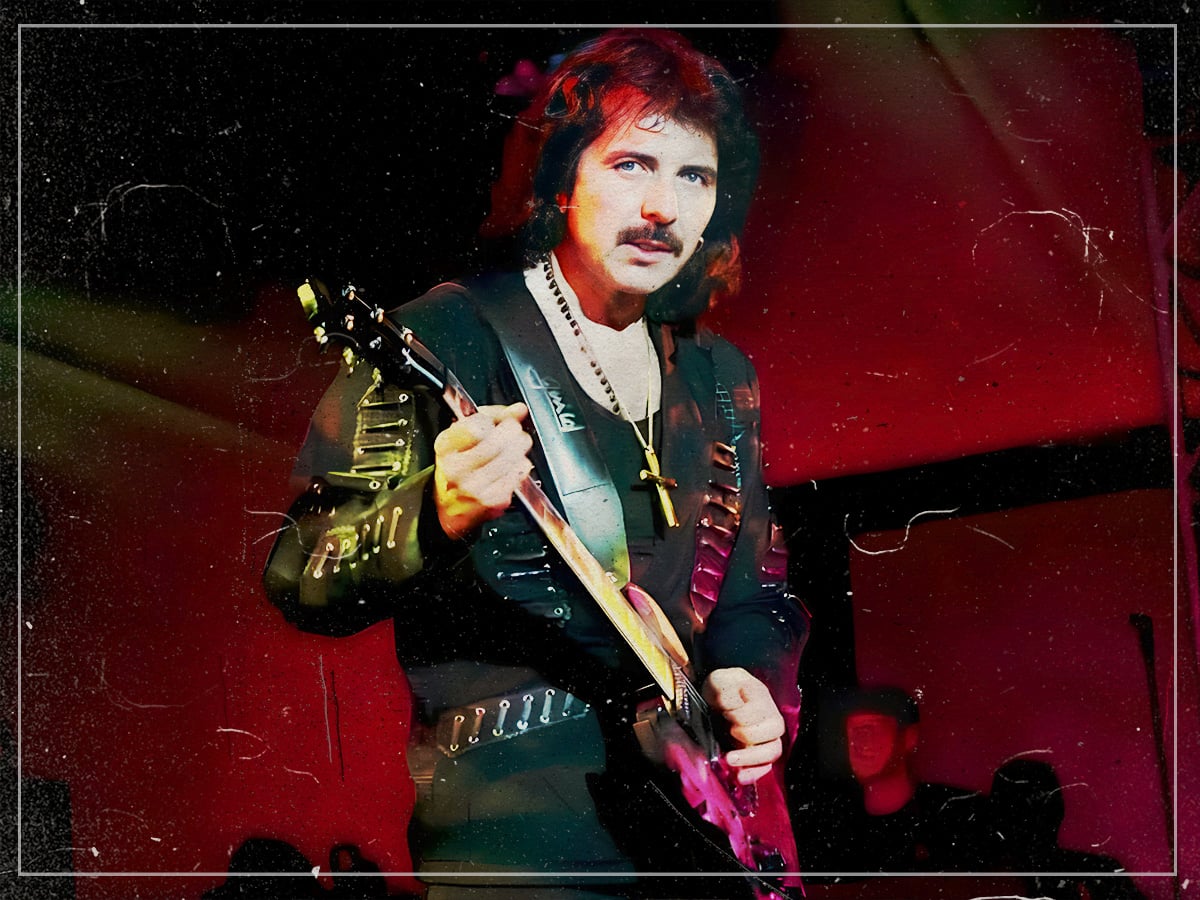
Black Sabbath have never been a band known to keep things punchy. Having been veterans of the British blues rock scene, Tony Iommi was known to make riffs that could stretch for long periods, with some of their greatest songs going well past the traditional three-minute formula for pop songs. Even those songs couldn’t fill out the record, so ‘Paranoid’ was made specifically to waste time.
As Sabbath was finalising the tracks for their second album, they got a notice from their label saying that they didn’t have enough songs to fill out the record and needed only a few more minutes worth of material. After the rest of the band took a break for lunch, Iommi stayed behind to create the riff to the song, with his bandmates scrambling for their instruments when they came back in.
Inspired by Geezer Butler’s struggles with depression around that time, Sabbath hit on one of their first major hits, becoming the title of the album and even predicting punk rock music with its heavy use of downstrokes and snarling attitude in such a short timeframe. Sabbath was already being looked at as something different from traditional hard rock, but ‘Paranoid’ may be the most condensed example of heavy metal.
‘Killing in the Name’ – Rage Against the Machine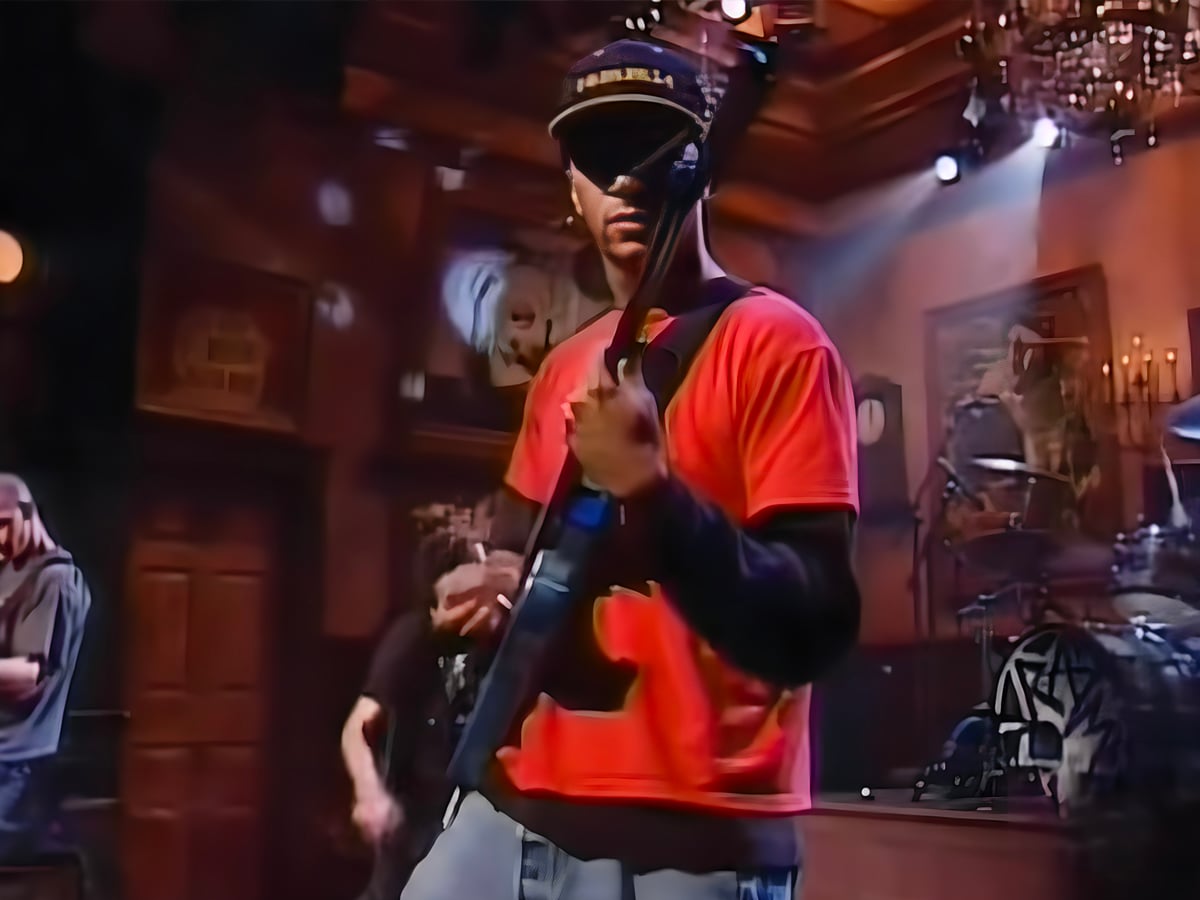
Every guitarist will say that working in a different tuning is inspiring. Since most of the traditional scale runs are rendered obsolete thanks to the instrument being tuned a different way, artists usually have to find new ways of expressing themselves and build up a new vocabulary. Tom Morello was no stranger to new tunings, but his example of working with drop-D gave way to one of the greatest riffs of the ‘90s.
When making ends meet as a guitar instructor, Morello was explaining the mechanics of drop-D when the riff to ‘Killing in the Name’ fell out of him. After cutting the lesson short, Morello recorded the riff onto his tape machine and saved it for later, already brewing the first batch of Rage Against the Machine songs.
The rest of the riffs quickly grew out of him from there, having a bluesy tinge to them while bringing new elements to the table, like the octave booster during the solo. Whereas most metal was dying around the start of the ‘90s, Morello announced the new regime of rap-rock with just a few notes.
‘Creep’ – Radiohead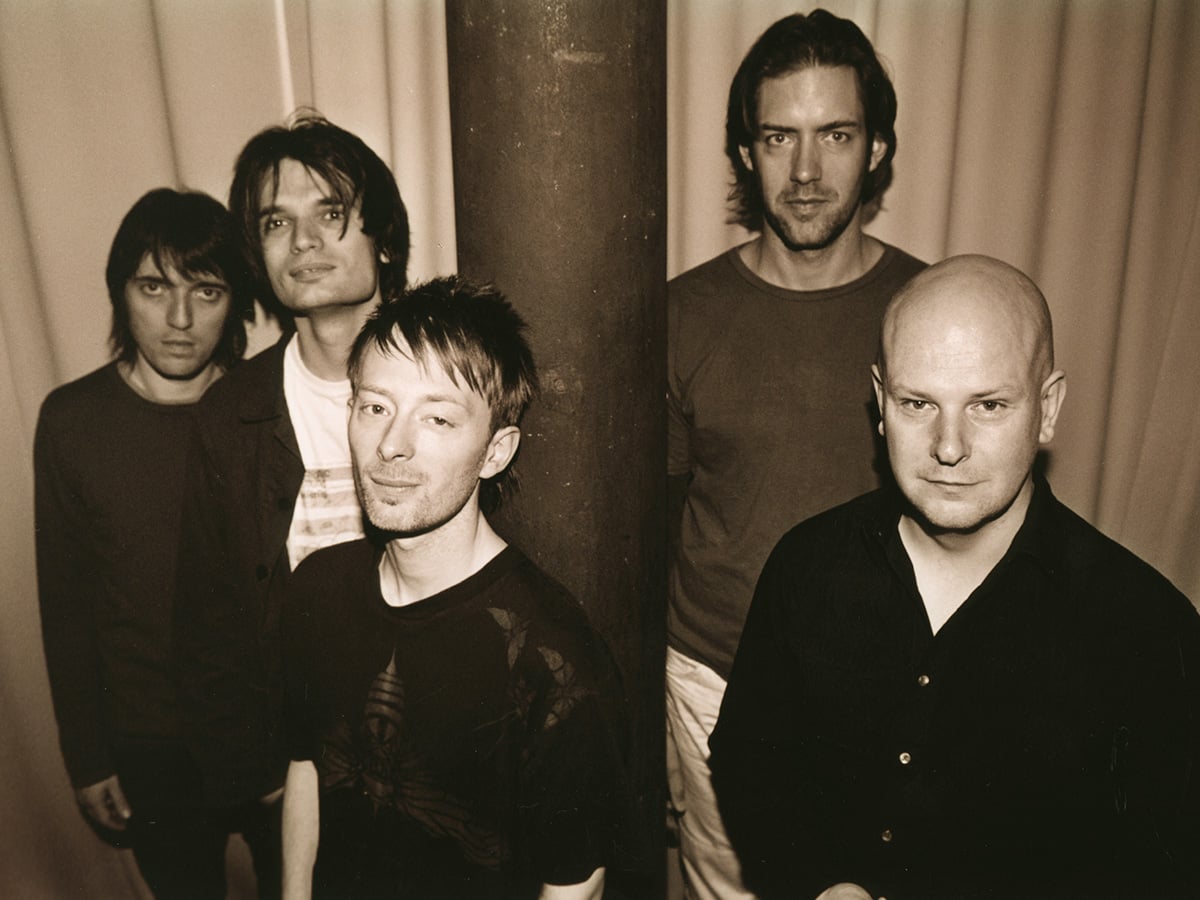
Much has been said about how much the members of Radiohead dislike ‘Creep’ these days. Although it may have been their first major single to gain major traction, the stench of the ‘90s grunge rock scene has lingered on the song ever since its release. Then again, the members weren’t in love with it when cutting the track either.
During the initial sessions for Pablo Honey, Radiohead elected not to show the song to their label until one of their A&R men found the song on a demo tape and insisted that they work on it. Although the riff is fairly straightforward when picking through the chords, the most intense guitar moment in the song came out of frustration.
After begrudgingly accepting to record the song, Jonny Greenwood did everything he could to try to screw up the session, which led to the massive percussive stabs that appeared right before the chorus. That angsty fit of anger ended up becoming classic, announcing the arrival of the chorus before the rest of the band exploded. Despite Radiohead rarely performing the song for most of the ‘00s, those stabs often go past the eardrums and into the listener’s soul.
‘Nothing Else Matters’ – Metallica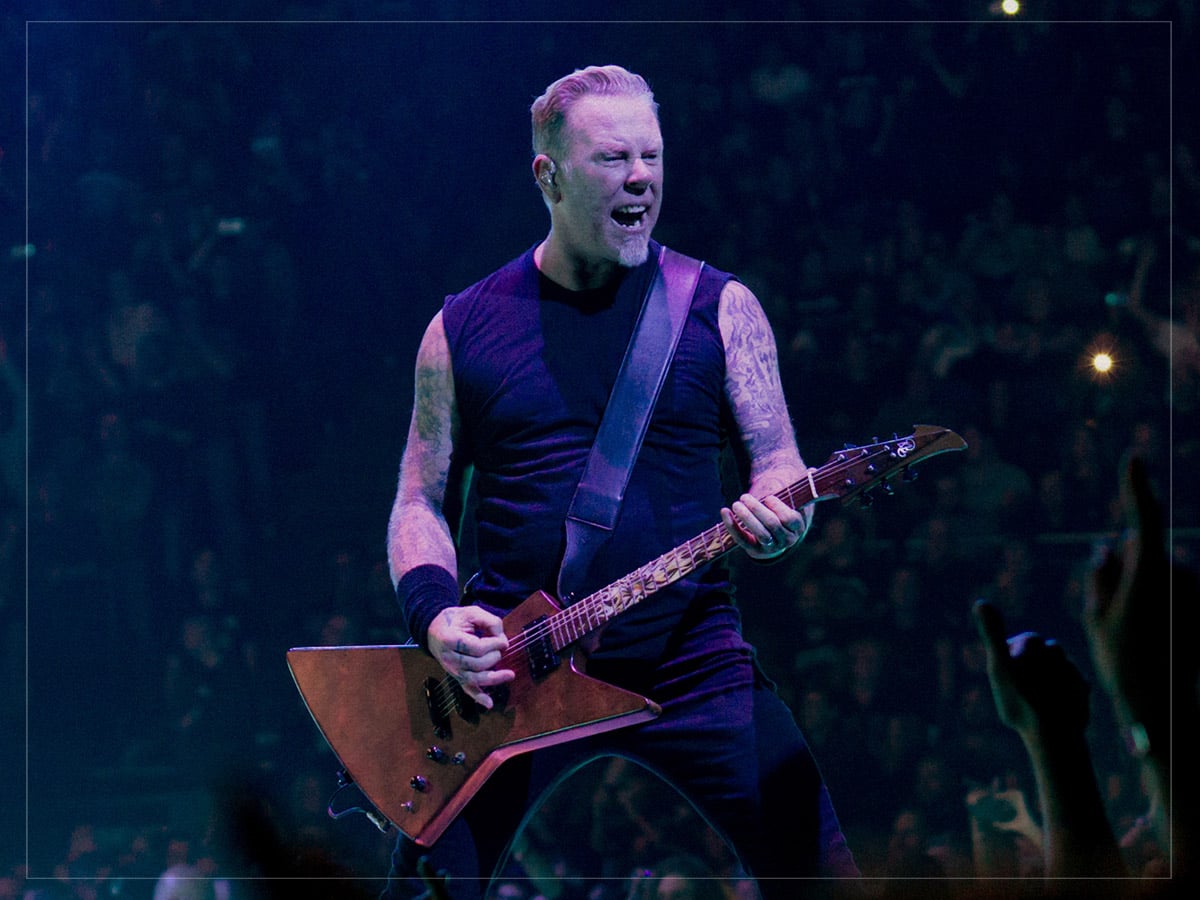
There’s no disputing that James Hetfield is one of the true riff masters of Metallica. Although Dave Mustaine contributed songs in the group’s early days and Kirk Hammett wrote a few classics of his own, Hetfield’s style of neaderthalic riffing has helped steer the Metallica train forward through every step in their career. While Hetfield was known to build up riffs based on their technical finesse, ‘Nothing Else Matters’ came about as a complete fluke.
As Hetfield sat at home with his guitar on his lap, he began talking on the phone with someone and started strumming the open strings of his guitar, which would turn into the cascading run for ‘Nothing Else Matters’. After getting off the phone, Hetfield began adding different extensions to the riff before penning lyrics about the life of a man on the road missing his missus at home.
Hetfield did not intend to turn it into a Metallica song, either, just keeping it to himself before Lars Ulrich recommended that they work on it together. Although the band were a little reluctant once the orchestral backing was brought into the song, ‘Nothing Else Matters’ was responsible for taking them out of their thrash metal roots and into packed stadiums around the world.
‘And I Love Her’ – The Beatles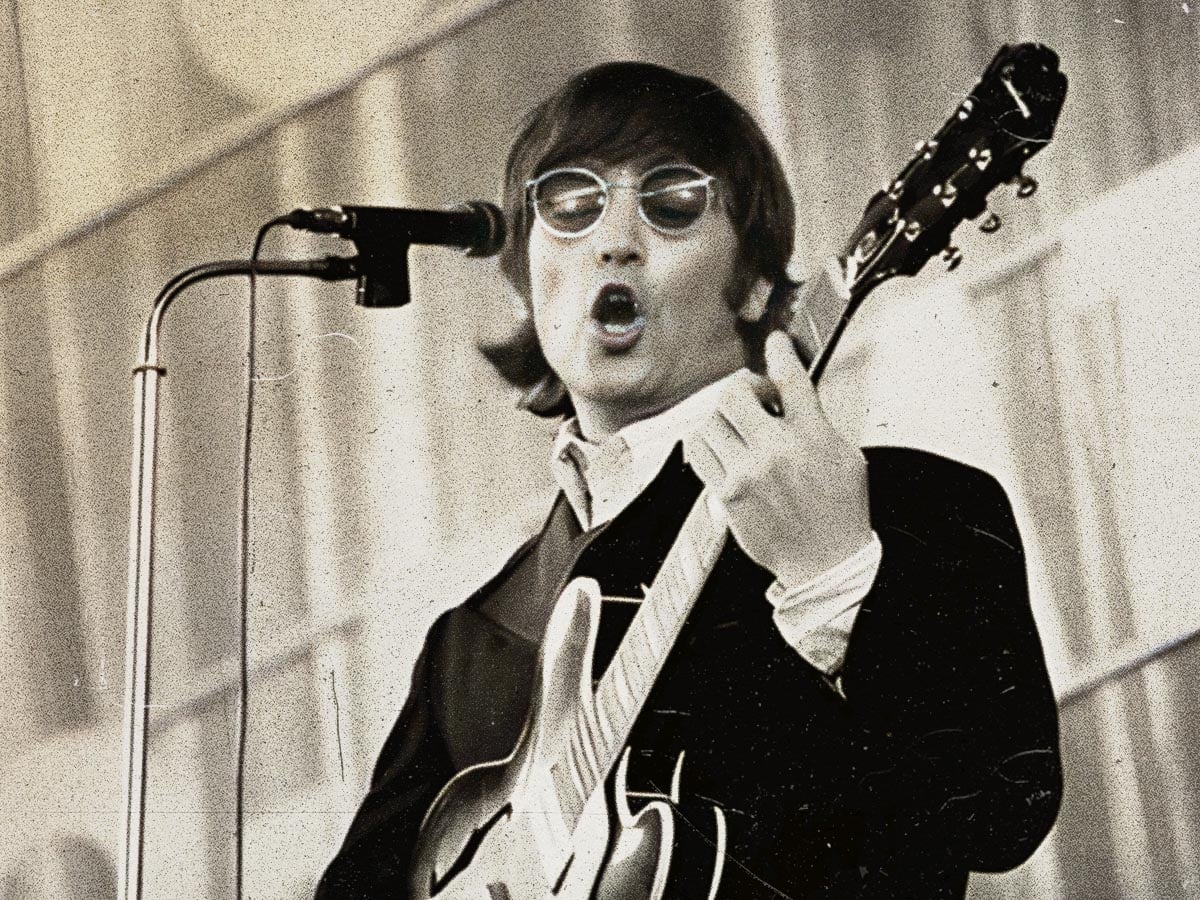
In the early days of The Beatles, John Lennon and Paul McCartney were writing songs faster than they could spit them out. Although their first attempts at songwriting weren’t as impressive to producer George Martin, the pair’s knack for writing one melody after another blossomed as soon as they hit on tracks like ‘Please Please Me’. Not every song was set in stone at the studio, and it took the ‘Quiet One’ to add something essential to the mix.
Since most of A Hard Day’s Night was recorded on the fly as the band started working on their first motion picture, McCartney came in with his traditional love ballad of the album ‘And I Love Her’. While the melody was strong enough as a stately ballad, George Harrison knew that it needed something, coming up with the guitar riff on the fly as the band kicked into the song in the studio.
McCartney would later claim that Harrison could have easily been considered a co-writer of the tune, knowing that his guitar riff made the entire song come alive. Harrison wasn’t ready to commit to writing full songs just yet, but this is one of the first examples of his brilliant use of melody already taking shape.
‘Life in the Fast Lane’ – Eagles
As Glenn Frey and Don Henley started writing material for the album Hotel California, they had a massive weight on their shoulders. The last few Eagles tours had been phenomenally successful, and there was no more room for any type of time-wasting songs to pad out the runtime. With new arrival Joe Walsh settling in behind the fretboard, the band got their rock and roll chops while tuning up.
During one of the first sessions, when everyone was starting to warm up their fingers for the day, Walsh busted into a riff that he often used as a coordination exercise. After flipping around the tempo a little bit, Walsh’s dexterity trick became the inspiration for ‘Life in the Fast Lane’, as Frey and Henley wrote a song about the dangers that come with living the Hollywood lifestyle.
Though the song was catchy, this was an example of Eagles getting their rock and roll chops down again, having been on the mellow side of the rock spectrum for the previous albums and kicking into high gear again. Walsh wasn’t necessarily in the mood to write a song, but some riffs come down to being in the right place at the right time.