
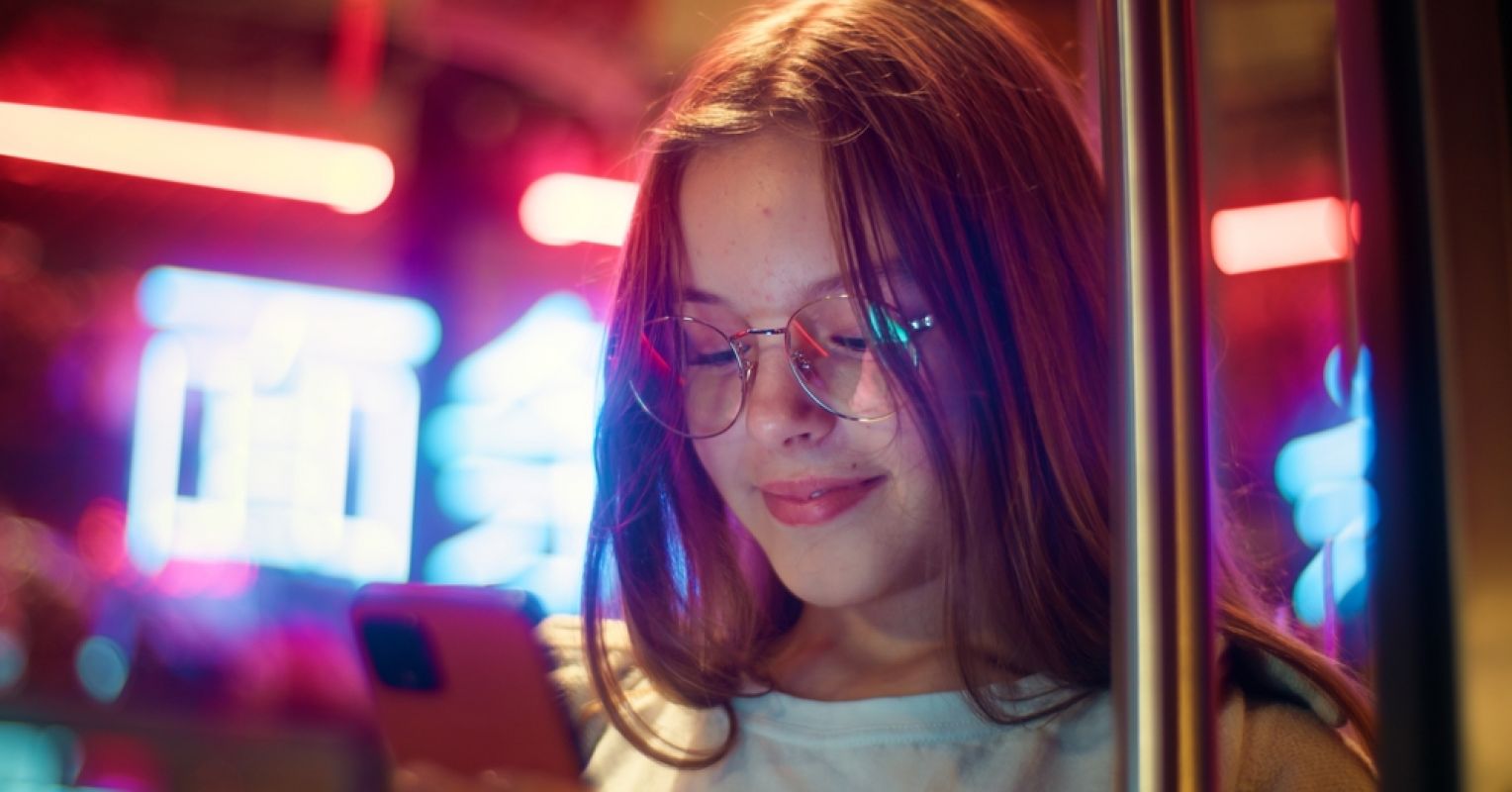
Parasocial relationships (PSRs) are one-sided emotional bonds where individuals invest their time, effort, energy, emotions, and feelings into a well-known media figure, such as a celebrity, influencer, or fictional character from a book or movie, who is not aware of their existence.
Often, teenagers feel secure in parasocial relationships when they admire an idol and become his/her fans, though they are separated from them by space and time. In this case, love, admiration, and devotion are directed from one party to the other, but the other does not receive it in a direct one-to-one manner. For example, I used to be a long-time Nick Carter fan (of the Backstreet Boys), while my cousin worried about my emotions being one-sided and going to waste. I always assured her that he was just an idol for me.
Parasocial relationships are often characterized by an “illusion of intimacy.” The affection sender—that is, the admirer—feels love, admiration, and attraction, and feels they know, trust, and have a personal friendship with the persona, despite the lack of direct, reciprocal, or face-to-face interaction. For instance, dozens of followers may follow a well-known personality or influencer on Instagram, see their daily posts and stories, witness their daily life and activities, and feel a kind of “connection” with that person. But in reality, that influencer might be unaware of the followers’ admiration or even their existence at all.
Sometimes, though, the energy exchanged between admirer and idol is reciprocal. The admirers gain energy from influencers, and the influencers may also gain energy from the love and affection of their fans, even if theit personalities are mostly unknown to them. For instance, Selena Gomez has said multiple times in interviews that her fans gave her strength in her difficult times, as has Britney Spears, who has attested to the significance of emotional support from her fans.
These experiences suggests that parasocial relationships are not necessarily something bad that we must avoid, but that we do need to be aware of their pros and cons. Nonetheless, too much one-sided affection from fans to their idols can lead to damage and disastrous effects on fans’ psychological well-being when they do not get affection back from the other party.
Michelle Möri and Andreas Fahr (2024) state in their research paper that viewers of media content observe media characters and evaluate their behavior based on moral judgments, which results in affective dispositions toward the media characters. It is generally assumed that if characters behave morally, viewers develop positive feelings toward them, whereas if they behave immorally, viewers develop negative feelings toward them.
Influencers should be aware of this tendency and mindfully post their content, realizing that they have an impact on the mentality and worldview formation of a generation.
Partly because of the influence of media figures on their followers, French president Emmanuel Macron has pushed to ban social media for users under 15 and prohibit mobile phones in high schools starting in September 2026 to combat mental health risks, bullying, and screen addiction. The legislation, passed by lawmakers in January 2026, aims to deactivate non-compliant accounts by year-end, following similar bans in Australia.
It is also noteworthy that with the rise of AI, we are witnessing a global spread of parasocial relationships with various chatbots; in certain cases, even leading to tight and even romantic interrelations with AI agents. If humans do not realize that these tools do not possess human emotions the way we do, it can have a negative influence on their emotional well-being, even though it may provide short-term comfort to them to feel loved, even artificially.
With the development of new technology, new ways of connection and cross-media communication have become possible. To get the most of it, and not be negatively affected by it, we have to raise the awareness of the public.
In short, people should be aware of the fact that they are attracted to fictional characters or celebrities they don’t really know and not fully base their emotional well-being on them as a source of emotional comfort and psychological well-being. If they can understand this, they will benefit from the beauty of parasocial relations, in terms of having the possibility of closely admiring their idols and digitally interacting with them.