
Your support helps us to tell the story
From reproductive rights to climate change to Big Tech, The Independent is on the ground when the story is developing. Whether it’s investigating the financials of Elon Musk’s pro-Trump PAC or producing our latest documentary, ‘The A Word’, which shines a light on the American women fighting for reproductive rights, we know how important it is to parse out the facts from the messaging.
At such a critical moment in US history, we need reporters on the ground. Your donation allows us to keep sending journalists to speak to both sides of the story.
The Independent is trusted by Americans across the entire political spectrum. And unlike many other quality news outlets, we choose not to lock Americans out of our reporting and analysis with paywalls. We believe quality journalism should be available to everyone, paid for by those who can afford it.
Your support makes all the difference.Read more
Employees who don’t get a 401(k) from their workplace may have a new retirement savings option in the future.
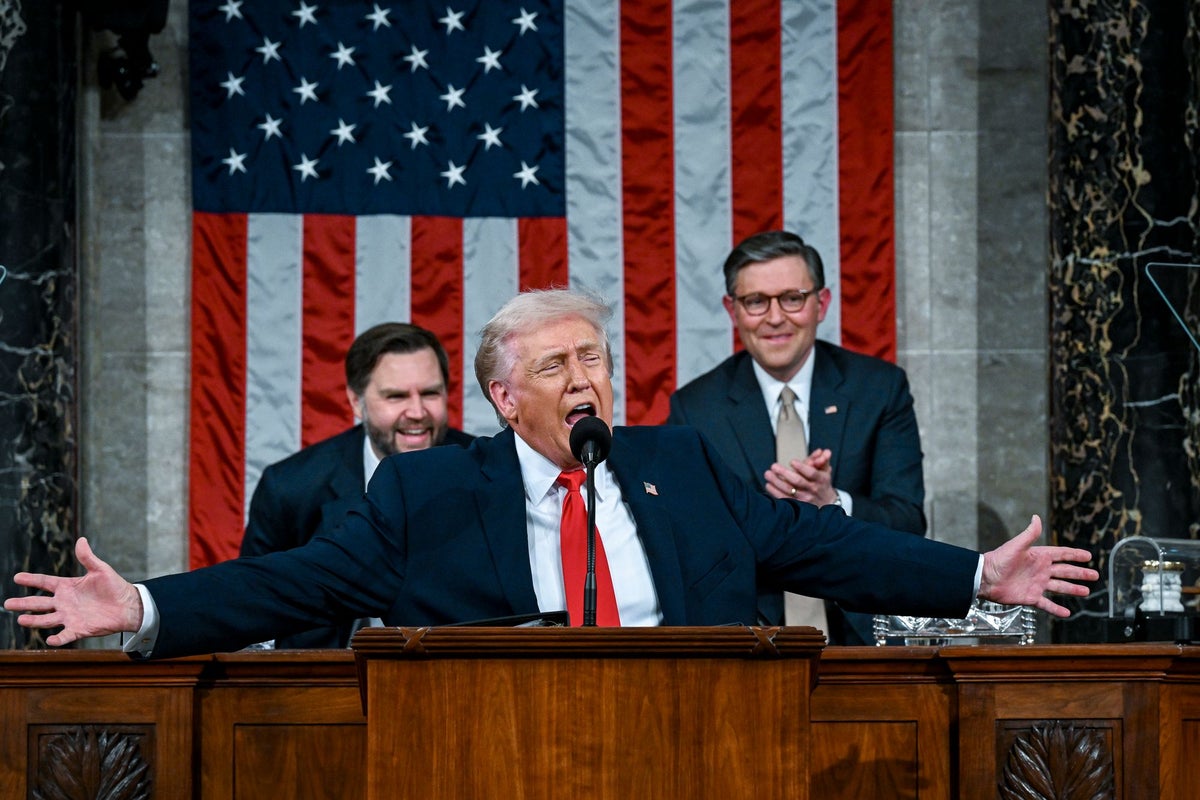
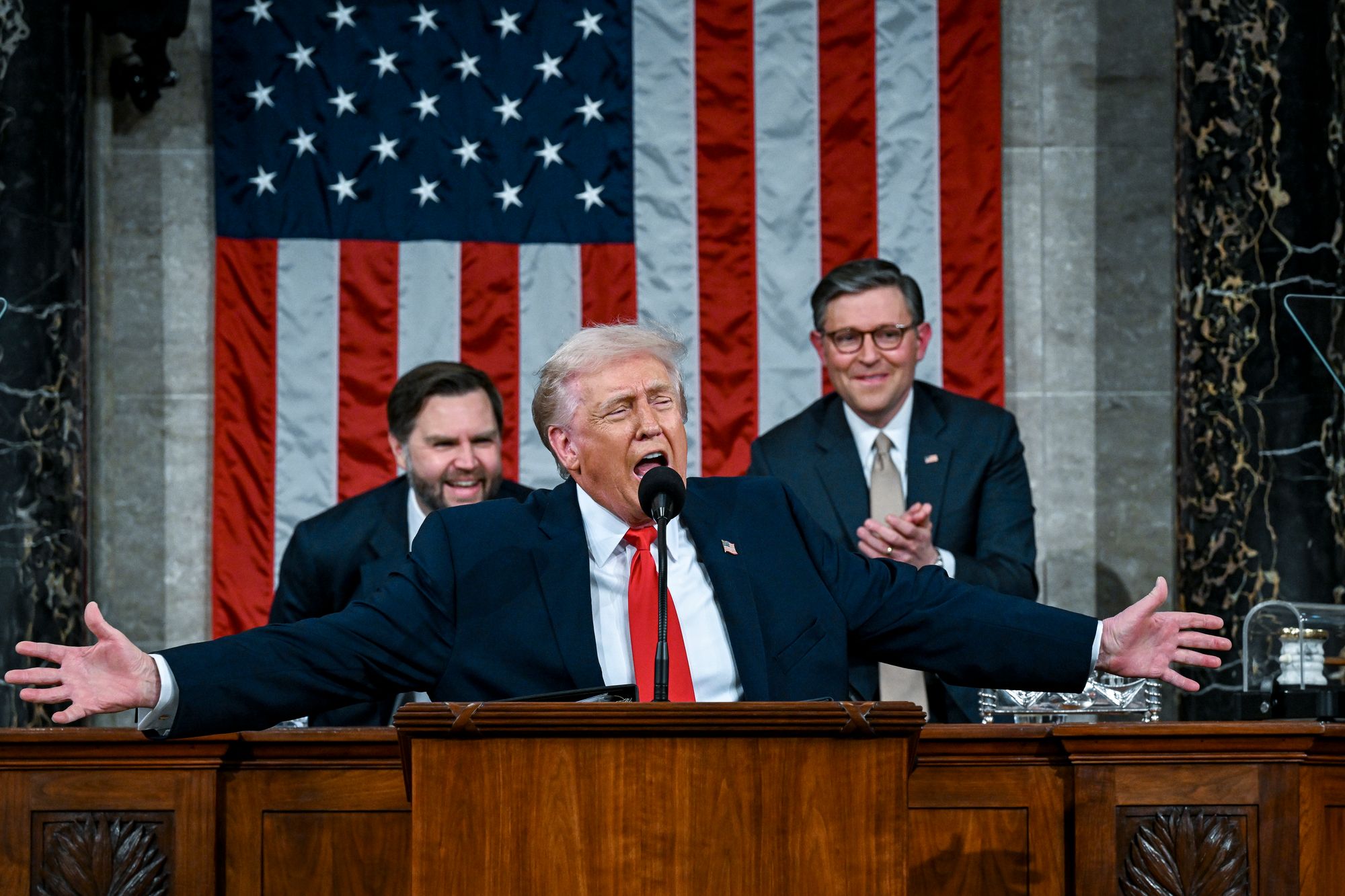
The federal government may start offering 401(k)s to workers who don’t have access to one through their employer, President Donald Trump said during his State of the Union speech Tuesday.
“I’m announcing that next year my administration will give these oft-forgotten American workers, great people, the people that built our country, access to the same type of retirement plan offered to every federal worker,” Trump said. “We will match your contribution with up to $1,000 each year.”
But details about the plan are sparse.
A Trump administration spokesperson later told CNN the plans would be universal and portable (meaning it goes from job to job with you, without requiring a rollover), which traditional 401(k)s don’t offer.
open image in gallery
During his State of the Union speech Tuesday, President Donald Trump hinted that the federal government may offer 401(k)s to those who aren’t eligible for one through their employer (Getty Images)
IRAs are a popular alternative for workers who aren’t eligible for a 401(k) through their employer, regardless of Trump launching his retirement plan program or not, said Chris Carosa, an investment expert with 20 years of experience in the financial industry.
“Workers have always had the option to place their retirement savings into their personal IRAs,” Carosa told The Independent in an email. “Relatively recent IRS restrictions have made it difficult to qualify to do this if you already have a 401(k) plan, but those without 401(k) plans have had no restrictions.”
Some 12 states have launched state-sponsored IRAs in some form, through which individuals can save up for retirement, according to payment processor Paychex: California, Colorado, Connecticut, Delaware, Illinois, Maine, Maryland, Massachusetts, New Jersey, Oregon, Virginia, and Washington.
But, unlike 401(k)s, the state or employer doesn’t match funds the employee puts into a state- or non-state-sponsored IRA account, in most cases.
However, one advantage of an IRA is that it’s typically opened in the individual’s name, giving them the freedom to keep it no matter how many times they switch jobs. In contrast, a 401(k) is typically run by the employer and requires paperwork and administration to move funds from one account to another if an employee changes companies.
Portability – keeping a retirement plan no matter who you work for – is an alleged feature of the Trump retirement plans that Carosa appreciates, he said.
open image in gallery
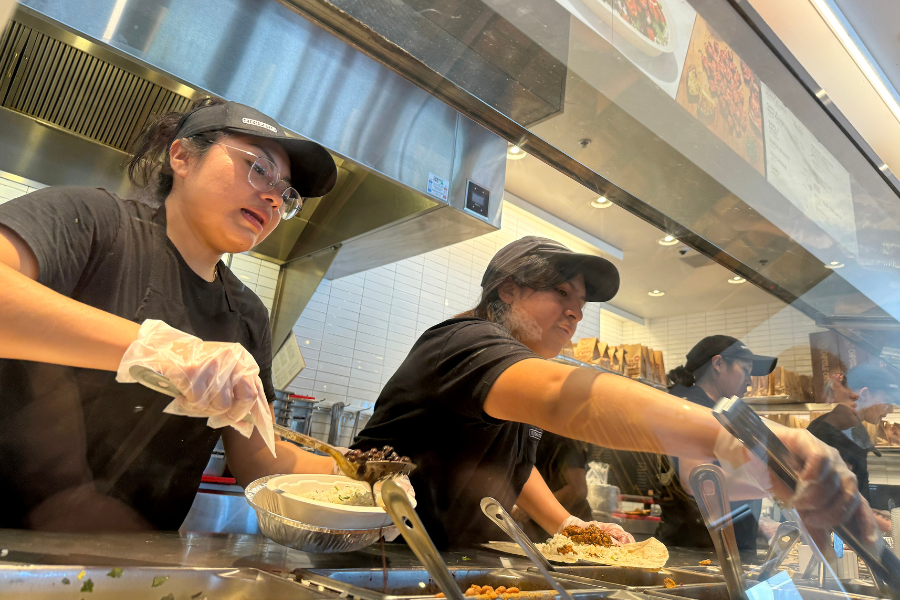
A federally-sponsored 401(k) retirement plan could be available to part-time workers that don’t have access to a 401(k) through their employer (Getty Images)
“This could be structured so that it is no different than current state-sponsored IRAs,” he said. “By making the [account] in the employee’s name rather than the company’s name, it wouldn’t matter who the employee works for. Think of it as ‘auto-portability.’”
Whether the 401(k)s the federal government may offer to those without are better or worse than existing plans isn’t known because there aren’t enough details yet, although the White House will provide more information “soon,” the Trump spokesperson told CNN.
In the meantime, workers should do what they can to save up for retirement instead of waiting for a government-sponsored plan to start, Carosa said.
“Don’t wait. Open up an IRA and start saving now,” he said. “If a future federally-sponsored plan is created that offers matching (i.e., free money), do that first, then contribute to your personal IRA.”
Those who are self-employed have several retirement savings options, including SEP IRAs, self-employed 401(k)s and SIMPLE IRAs, according to Fidelity.