
(Credits: Far Out / Alamy)
Sat 28 February 2026 2:00, UK
When you flick back through the musical history book, one page jumps out as the potential number one year of them all – 1971 was an unrivalled year of musical greatness, which saw some of the very best records of all time released.
Marvin Gaye’s What’s Going On, Carole King’s Tapestry and Joni Mitchell’s Blue were but a few that came out on this since-unmatched year.
It also came at a great time, for music needed originality desperately. The Beatles had split up at the end of the previous decade, leaving a seismic hole in the industry, and while they weren’t solely responsible for the great era of innovation seen in the 1960s, they were undoubtedly the leaders, and so in this fresh new decade, an atmosphere of uncertainty beckoned.
But instead of hesitating, the music world responded and seized the open window of creative exposure. Myriad artists took the mantle of diverse innovation set out by the Fab Four and collaborated to take it into new worlds. All of a sudden, genres had multiple subgenres and within them were artists who would shape the trajectory of modern music.
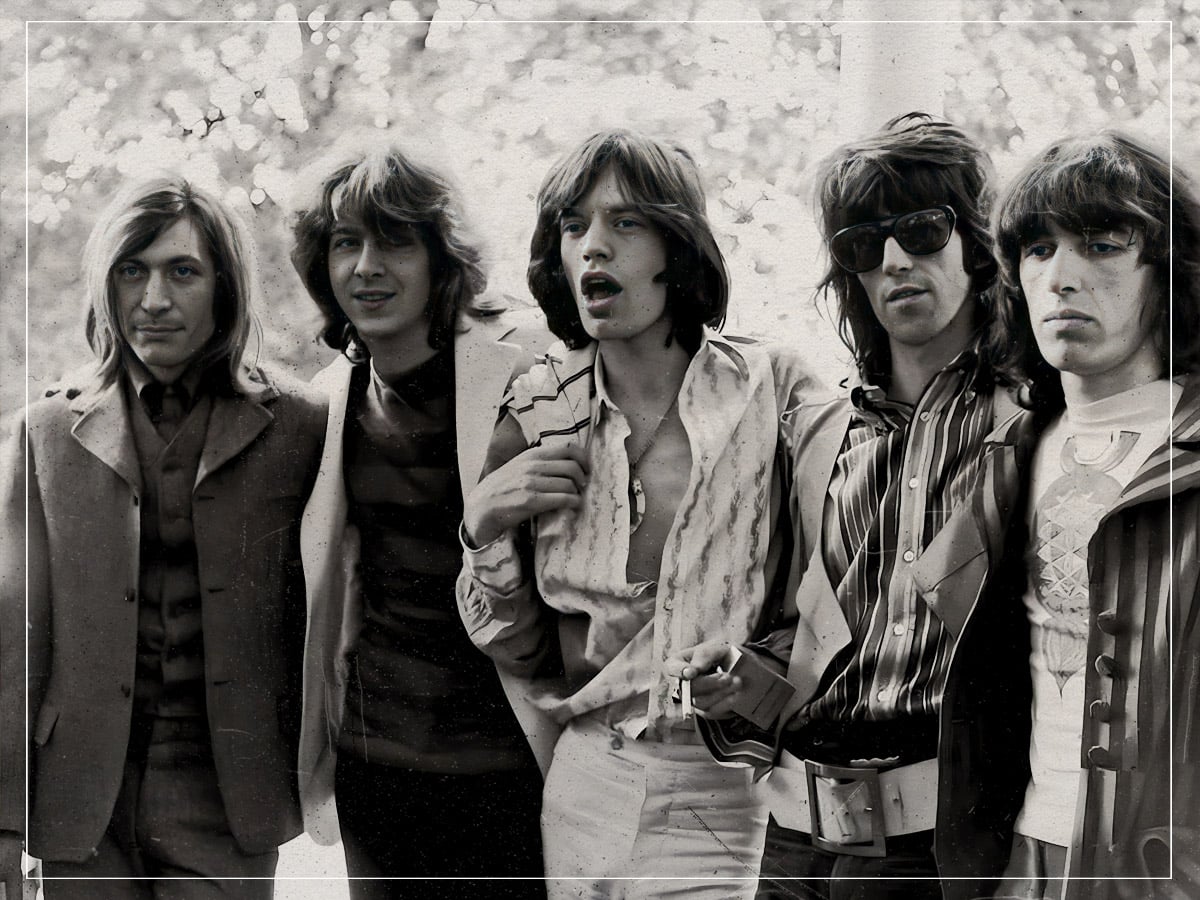
It was also a big year of opportunity for the band’s once-bitter rivals, The Rolling Stones. Having lived under the spotlight of their Liverpudlian compatriots, The Stones now had the opportunity to seize the throne and operate without comparison. While this new era for The Stones brought with it an introduction of their own material, there was perhaps a misguided sense of arrogance that came with it.
Their position within rock royalty encouraged an error of judgment and lapse of accountability, which resulted in perhaps their worst song in history, and undoubtedly the very worst number one of 1971: ‘Brown Sugar’.
Why was ‘Brown Sugar’ the worst number one of 1971?
There’s little to no nuance in The Stones’ track that unashamedly objectifies a brutal social history in America, sexualising the grim reality of slavery, heroin, cunnilingus and rape.
It was The Stones at their most obnoxious, revelling in the liberation of their own sexuality to a point where they thought their own boundaries were limitless in that regard. What’s worse is that the song can’t be used in a feigned attempt to plead ignorance. Instead, their desire to be provocative is so confrontational that you can only perceive it for what it truly was, a gross attempt to offend as a form of sexual rebellion.
Thankfully, the band have acknowledged the problematic nature of the song, with Jagger confessing, “I never would write that song now.” He continued, “I would probably censor myself. I’d think, ‘Oh God, I can’t. I’ve got to stop. I can’t just write raw like that.’”
Adding, “God knows what I’m on about in that song. It’s such a mishmash. All the nasty subjects in one go. [It was a] very instant thing,” he concludes. While the album from which the song came, 1973’s Sticky Fingers, was a compelling move in the right direction of artistic autonomy, the lyrics were a step too far and an abuse of the power they were beginning to establish for themselves in the music industry. The ‘70s were indeed an exciting and innovative time for music, but societally, they still had a long way to go.