
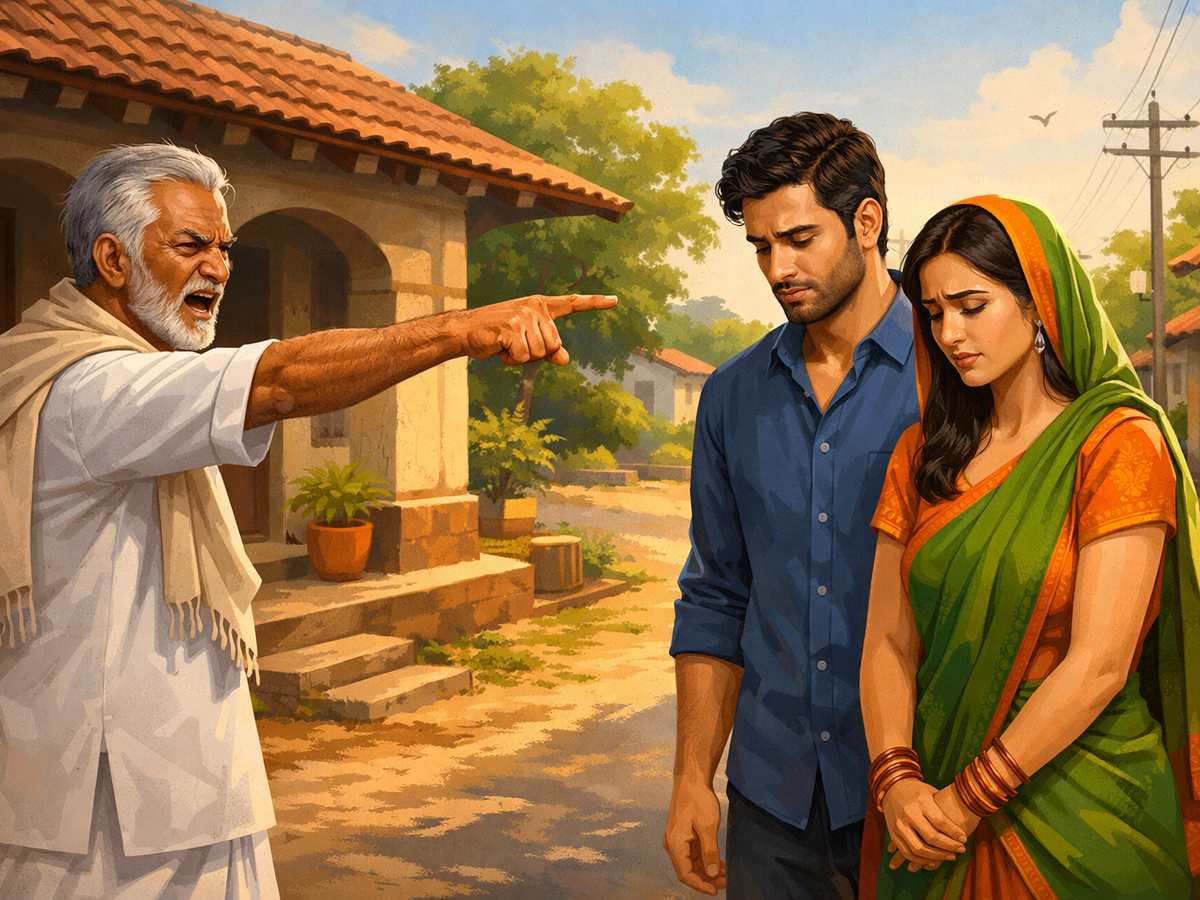
On February 10, 2026, the Jharkhand High Court pointed out that every inheritance carries certain responsibilities. If a son and daughter-in-law wish to gain from an inheritance, they need to establish a suitable environment for the parents from whom the property is being claimed, making sure that the parents feel secure and comfortable.
Following this logic, the Jharkhand High Court ordered the eviction of the son and the daughter-in-law, ruling in favour of the senior citizen parents’ under the Maintenance and Welfare of Parents and Senior Citizens Act, 2007.
Also read: Harassment of elderly parents costs son dear: Jharkhand HC orders eviction from self-acquired home
Does this win for the senior citizen parents mean their son is stripped of inheritance rights? Nidhi Singh, Partner, IndiaLaw LLP, says that under Section 6 of the Hindu Succession Act, 1956, a Hindu son has a share in ancestral property. So the Jharkhand HC’s decision does not affect the son’s succession rights in ancestral property.
Singh says: “For self acquired property, however, the parents may exclude a child by bequeathing the same via a Will. This Jharkhand High Court judgment merely protects the senior citizens’ rights to peaceful residence and dignity and does not impact the succession rights of the children.”
Also read: Son denies elderly parents entry to Mumbai homes upon their return from village; SC orders him to vacate properties and pay maintenance
If a son or daughter does not maintain their old senior citizen parents, can they be automatically cut off from the inheritance? Singh states that a son or daughter’s responsibility for maintenance does not affect their succession rights. However, if they don’t provide maintenance, older parents can request support or protection under the Senior Citizens Act.
Singh says: “The senior citizen parents may also exclude a child from self acquired property by executing a Will.”
Does the above inheritance aspect apply only for son or daughter or the daughter-in-law as well? According to Singh, the duty to maintain senior citizens does not alter inheritance rights of their children or the daughter-in-law. If the children fail to maintain parents, parents may seek relief under the Senior Citizens Act.
Singh says: “ Where a senior citizen is childless, the maintenance duty falls on relatives who would be heirs under the applicable succession laws.”
Ancestral properties can’t be disposed of by using WillAccording to Singh, ancestral property cannot be disposed of by testamentary instruments like Wills, whereas the self-acquired property can be bequeathed at the senior citizen’s discretion.
Singh says: “A parent may accordingly exclude a child by executing a Will without proving non maintenance. The Senior Citizens Act does not govern testamentary or intestate succession because the same does not relate to the transfer of property.”
Singh says that bequeathing self acquired property is independent of maintenance claims and does not affect inheritance or succession rights.