
The government’s ten-year plan for the NHS includes a drive to deliver more health services at a community level, reducing the number of patients coming into acute hospitals for treatments which could be provided closer to home.
The NHS Somerset integrated care board (ICB) implemented a ‘test and learn’ exercise at its Bridgwater, Frome and Glastonbury sites in July 2025, removing inpatient beds in order to offer a wider range of services and speed up hospital discharges.
Health bosses will be extending this trial period for up to a year – and have confirmed similar changes will be implemented in Burnham-on-Sea and Crewkerne in the coming weeks.
Alison Rowswell, NHS Somerset’s director of localities and strategic commissioning, laid out the rationale for this decision when Somerset Council‘s adults and health scrutiny committee met in Bridgwater on Thursday (February 26).
She said: “We want to retain the essence of our community hospitals, caring for people locally and modernising the way we do this.
“This is about using community resources, including community hospitals, in a way to allow the best possible local delivery of care.”
During the initial 12-week trial, Bridgwater hospital saw its inpatient beds reduced from 30 to 24, with Frome dropping from 24 to 16 and West Mendip hospital in Glastonbury being reduced from 30 to 16.
Instead of using inpatient beds to discharge people from Yeovil Hospital or Musgrove Park Hospital in Taunton, the NHS and Somerset Council “spot purchased” beds in Somerset care homes.
This has allowed more people who needed long-term 24-hour care to be discharged from hospital to a long-term residential placement, rather than having to be disruptively moved from acute hospital to a community hospital and then a nursing home.
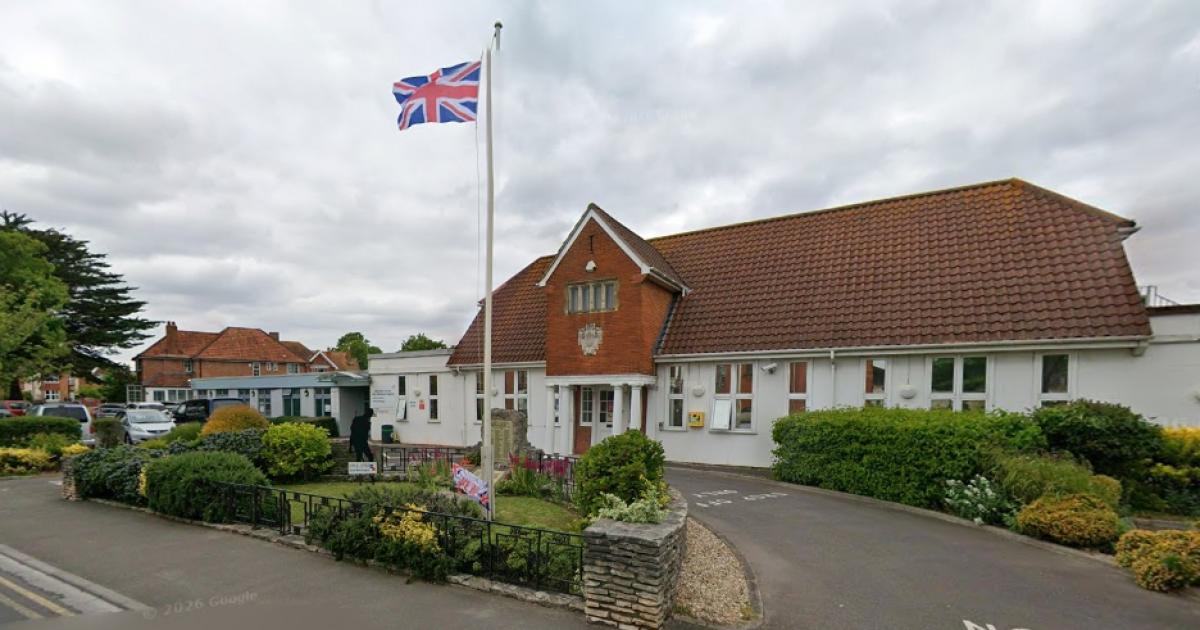
Crewkerne Community Hospital on Middle Path in Crewkerne (Image: Google Maps)
These changes led to a drop in waiting times for both discharges from acute hospitals and for home-based care – with no significant rise in the number of people being readmitted to hospital after being sent home.
Initial surveys indicated that 100 per cent of respondents felt the changes “helped them to feel more confident at home” and 96 per cent had “achieved their re-ablement goals” as a result.
The latest proposals will see both Burnham-on-Sea and Crewkerne hospitals have their inpatient beds reduced from 16 to eight on a trial basis.
The vacated space will be used to deliver a wider range of NHS services in both locations – potentially including chemotherapy, diagnostics and ambulatory care.
NHS Somerset will also work with Symphony Healthcare Services, which runs the GP surgery opposite Burnham-on-Sea hospital, about how service provision at the minor injuries unit (MIU) can be stabilised and enhanced.
Kate Smith, NHS Somerset’s associate director of strategic programming (Image: Somerset Council)
Kate Smith, NHS Somerset’s associate director of strategic programming, told the committee: “We have redesigned our intermediate care services in Somerset, which support people after a hospital stay.
“The changes we made last year are under a lot of pressure and are really being stressed tested.
“We really want to make sure that the changes that we’re making are tested under all sorts of different scenarios at different points in the year before we land on any kind of permanent decisions about how we operate intermediate care services in the future.”
Councillor Gill Slocombe (Conservative, Bridgwater West) said that there would be less public consternation about the loss of local beds if more information was made available about offering more services closer to home.
She said: “Don’t say ‘reducing’ beds’ – ‘redesigning services’ is perfect. As soon as you mention reducing, people start panicking about there being no beds.
Councillors Claire Sully (Liberal Democrat, Mendip South) and Gill Slocombe (Conservative, Bridgwater West) (Image: Daniel Mumby)
“In Bridgwater, we’ve been able to bring diagnostics into the town – it’s so important that you don’t have half of Somerset dashing to Yeovil or Musgrove for tests.
“I live in an area with a large number of elderly people, and it’s very important that we do take on board what people are saying.”
Construction work is currently progressing on a new £17.8m diagnostic centre behind Bridgwater Community Hospital, which is expected to open its doors in the summer.
The proposed changes had a mixed reception among members of the committee – with some arguing that it would lead to better outcomes for local residents.
Councillor Lucy Trimnell (Conservative, Wincanton and Bruton) said: “I have a friend who’s having dialysis and has been having to travel up to Bristol every day to a hospital there to receive it.
Councillor Lucy Trimnell (Conservative, Wincanton and Bruton) (Image: Somerset Council)
“They could be going to one of these more local hospital, where the parking is easier.”
Councillor Martin Wale (Conservative, Chard North) said implementing similar changes at Chard Community Hospital had made a huge difference to local people’s lives.
He said: “Many years ago we had two wards, and frankly all we did I suspect was move the bed-blocking from Musgrove to Chard – people were in there for weeks and weeks and weeks.
“Anything which can stop that happening at these other hospitals is welcome.
“Chard is now providing any number of services, such as blood tests, maternity services and the urgent treatment centre, which is always busy.
Councillor Martin Wale (Conservative, Chard North) (Image: Somerset Council)
“It’s morphed from being this rather ancient establishment to a very modern facility for all age groups. I think it’s tremendous.”
Councillor Andrew Govier (Labour, Wellington) concurred: “Wellington Community Hospital has been at the forefront of getting this type of change – and I’ve got to say those changes have been extremely welcome.
“The hospital is providing a whole plethora of different treatment. I don’t think this is something people need to be concerned about”.
Councillor Alex Cameron (Liberal Democrat, Glastonbury) took a more negative view, arguing that his town was in danger of becoming an “NHS desert”.
He said: “We’ve seen West Mendip Hospital losing beds – and that doesn’t happen in isolation. We’ve seen our three pharmacies drop to one over the last few years.
West Mendip Community Hospital on Old Wells Road in Glastonbury (Image: Google Maps)
“We’ve seen a 40 per cent increase in reported crime, we’ve got an excess of 250 people in the hard-to-reach caravan community, we’ve seen homelessness increase by 50 per cent in the last five years, and mental health issues are going through the roof.
“The people in Glastonbury would like to see health services developed in the community around the health and well-being hub – including a women’s hub, an elective surgery hub and a community diagnostic centre.
“It’s fantastic we’ve got a diagnostic centre in Bridgwater, but Glastonbury is still an hour away. We don’t have a railway station, there is no direct bus service, and many people don’t have a car.”
The proposed changes at Burnham-on-Sea and Crewkerne will be implemented across the two sites from early-April.
The scrutiny committee will receive a further update on changes to local NHS services later in the year.