
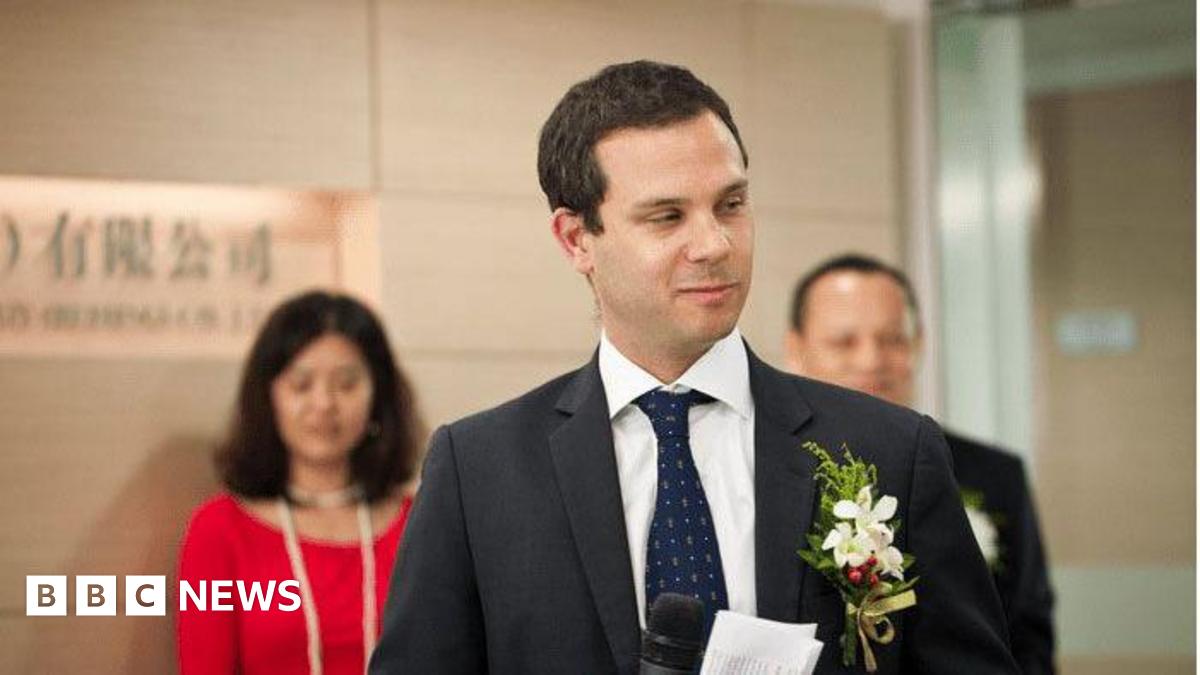
Epstein’s ability to operate in China was limited since he was denied a visa because of his conviction, the files suggest.
Stern suggested he apply again in a different city – Paris – and not mention his conviction, an email apparently says.
It “will be better not to tick the boxes re being denied previously or criminal charges”, he apparently tells an Epstein associate, whose name is redacted.
Stern’s appetite for dealmaking remained undimmed throughout the 2010s.
In 2015, he represented China’s largest property company, Evergrande, in an attempt to take over the UK housebuilder Cala Homes, though the deal never went ahead. Evergrande later collapsed, sending shockwaves through the country’s economy.
Stern also co-invested in an electric vehicle start-up called Canoo, with Li Botan, the son-in-law of a former senior communist party official. It went bust last year.
Stern and Epstein even discussed a fanciful plan to take over the giant German lender Deutsche Bank with the help of Qatari investors, the emails suggest – which never came to fruition.
The BBC has made multiple attempts to contact Stern, and his current whereabouts are unknown. In 2023, he changed his country of residence listed on Companies House from China to the United Arab Emirates.
The BBC has previously contacted Andrew Mountbatten-Windsor and Sarah Ferguson multiple times in connection with their links to Epstein and Stern, but they have not responded. Mountbatten-Windsor has consistently denied any wrongdoing in relation to Epstein.
The files suggest that Stern met Epstein in person in November 2018, and stayed in one of his New York properties.
Their correspondence appears to continue to the end of that year, much as it had for the previous decade – thoughts about China, deal ideas, references to “P”, a note about “PA”, and the same question Stern was always asking: “When can I call you?”