
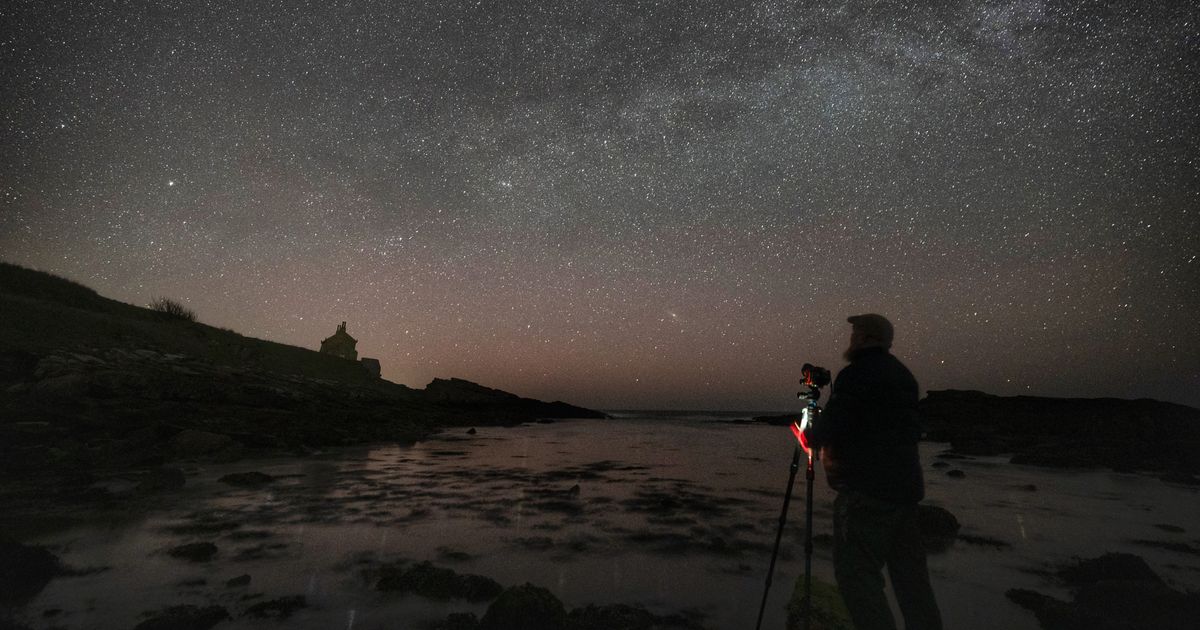
Multi-planet viewing opportunities can last from weeks to more than a month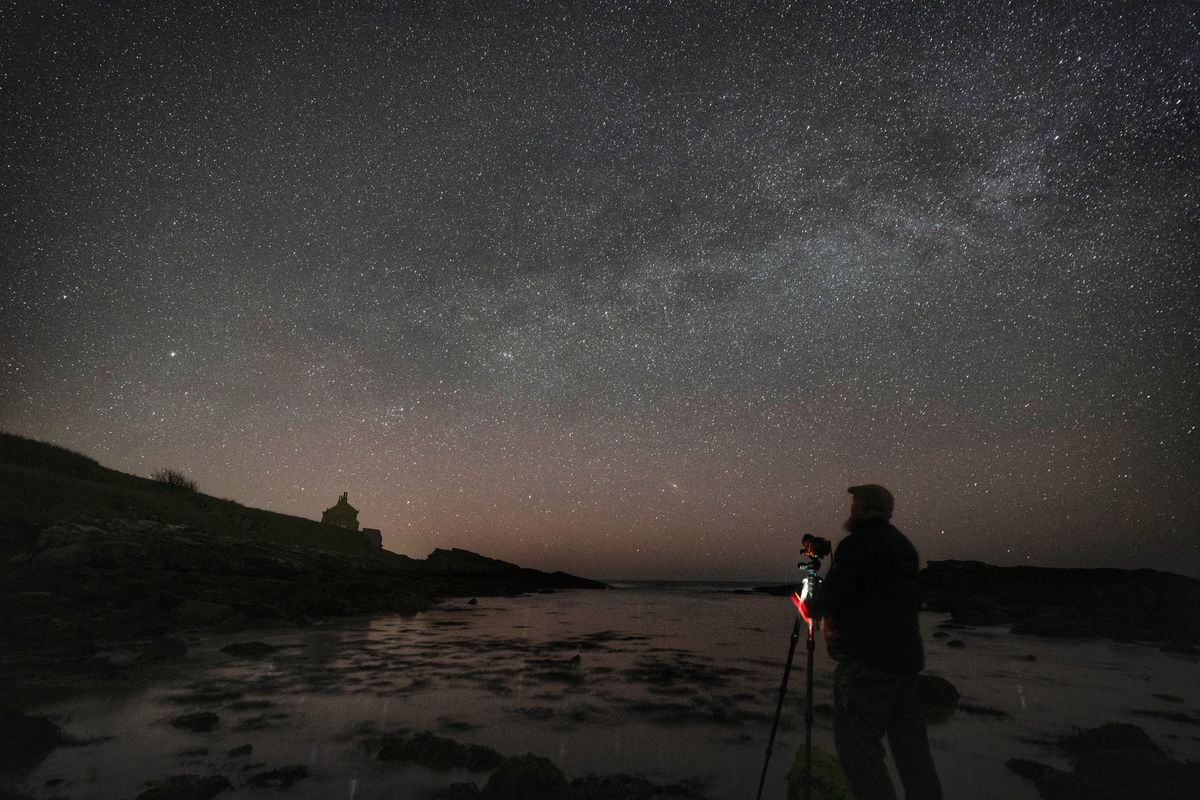
Experts say that the best time to see the planets align will be just after sunset(Image: Owen Humphreys/PA Wire)
A planetary alignment will be visible this evening and stargazers will be able to catch a glimpse of six planets together. Last year, seven were visible in a rare event, but Mars will not be visible this evening. All the planets in the alignment have been visible since mid-February onwards.
Venus and Mercury are best seen towards the end of the month. You won’t have much time to see the two planets before they descend below the horizon. A clear western horizon could give you a good chance of seeing Mercury, Venus and Saturn in the evening, just after sunset.
Uranus will be much higher in the western sky, while Jupiter will be high in the southeast. Neptune would require a telescope. The planetary alignment is visible from North America, the UK and Europe, among other regions.
It is not unusual to see planets in the night sky, every night you can usually spot at least one planet. Two or three planets may be visible in the hours around sunset.
It is uncommon for more planets to appear at the same time. NASA said a “planet parade” is “worth observing” as they don’t happen annually, although they are not extremely rare.
The planets of our solar system always appear along a line on the sky. This line, referred to as the ecliptic, represents the plane in which the planets orbit from Earth. NASA said “planet parade” isn’t a technical term in astronomy but it is one widely used to describe the alignments of planets.
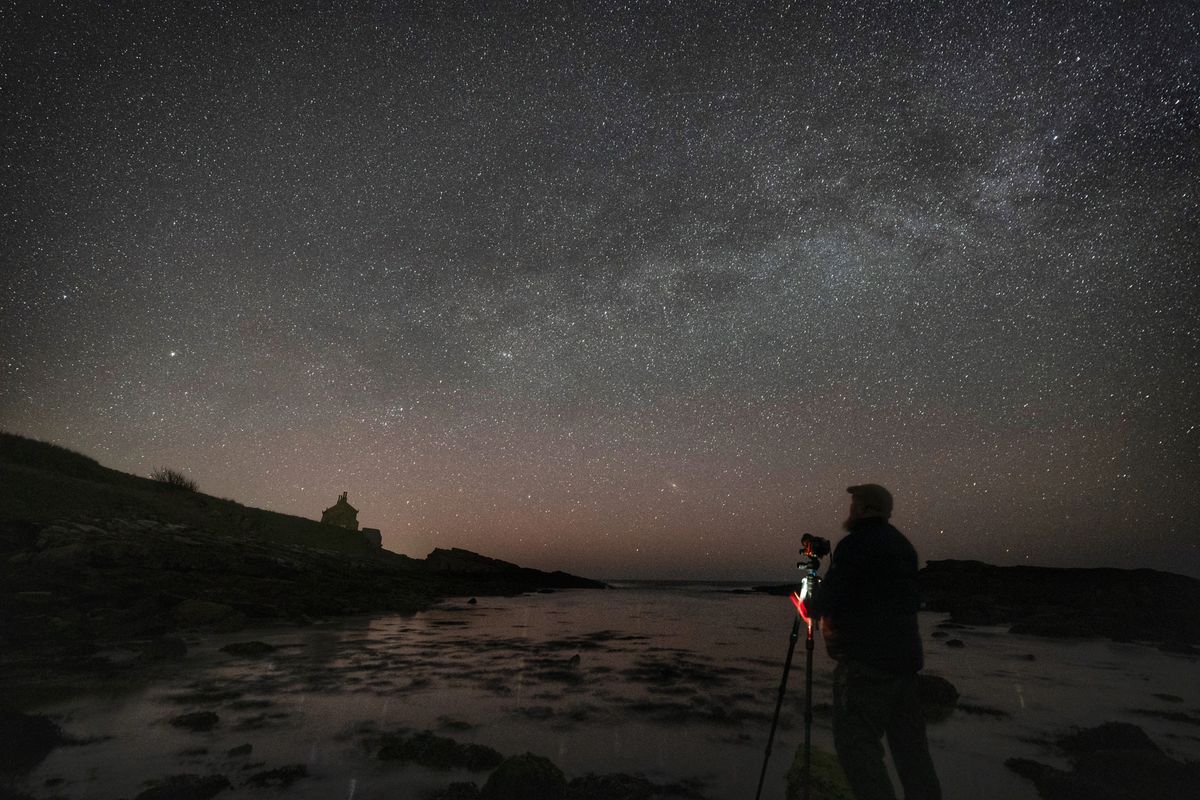
Experts say that the best time to see the planets align will be just after sunset(Image: Owen Humphreys/PA Wire)
As all the planets orbit the Sun at different rates, we see them in different positions in the night sky throughout the year. The best time to see the planets align will be just after sunset as the stars start to show up in the sky.
According to NASA, multi-planet viewing opportunities can last from weeks to more than a month, as planetary movements are slow and gradual.
Nasa explained that for a planet to be visible without any optical aid, it should be at least a few degrees above the horizon, with 10 degrees or higher being best.
The space agency said: “This is crucial because Earth’s atmosphere near the ground dims celestial objects as they rise or set. Even bright planets become difficult or impossible to spot when they’re too low, as their light gets scattered and absorbed on its path to your eye.”
The sun is due to set at around 5.40pm, but this time could change depending on where you are in the UK. However, stargazers must wait until the sun has set fully before looking for planets in the sky. This is especially important because several planets will appear low in the western sky.
England and Wales have clear skies for much of today, before cloudier conditions start to increase from the north and west. On Sunday night any clear skies will be quite limited to eastern and southern parts of England.
Ensure our latest news and what’s on headlines always appear at the top of your Google search by making us a preferred source. Click here to activate or add us as a preferred source in your Google search settings.