
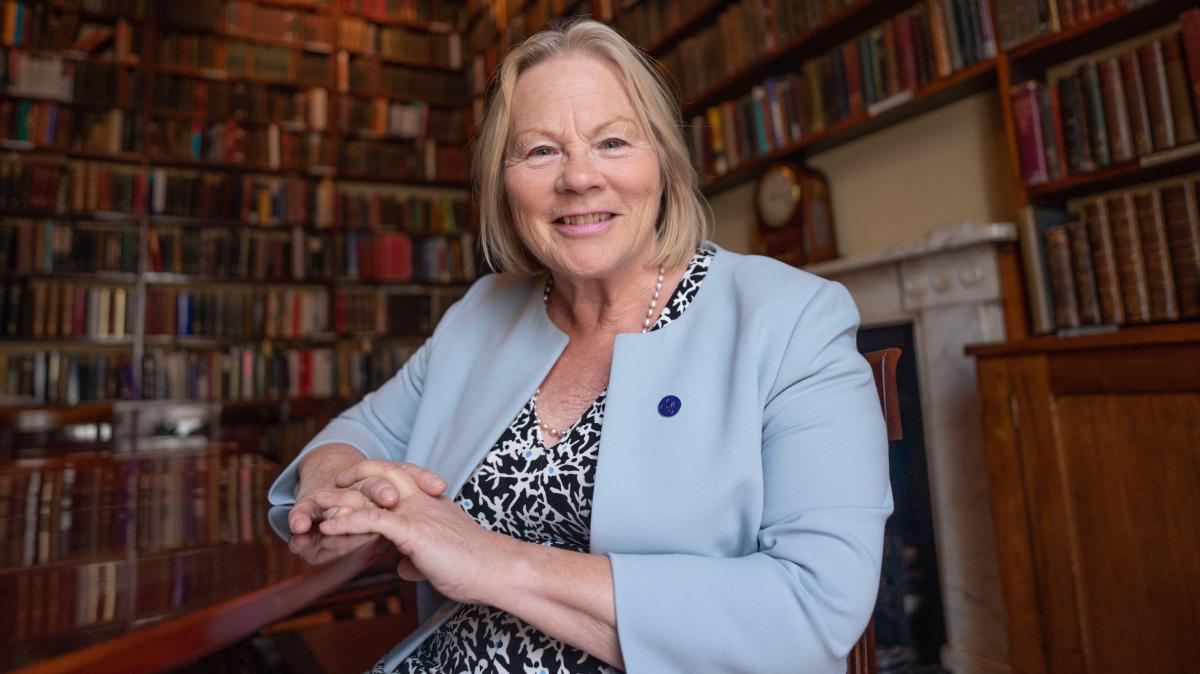
One of Sir Keir Starmer’s new peers has said she will not take up her seat until revelations relating to her past are resolved.
She now faces fresh allegations related to her time at City & Guilds, a historic charity which she chaired. She oversaw the sale of the charity’s assets in a secretive deal that saw two executive receive bonuses in excess of £1 million.
Confronted with questions about the transaction, she said: “I will not be taking my seat in the Lords until matters relating to my previous voluntary roles are resolved.”’
Limb chaired City & Guilds until last month. The charity has provided technical qualifications and apprenticeships since the Victorian era and boasts alumni including the celebrity chefs Jamie Oliver and Gordon Ramsay, the fashion designer Karen Millen, and Gareth Southgate, the former England manager.
The controversial sale came last year when its parent charity, City & Guilds of London Institute, announced it had sold City & Guilds, which carries out all of its awarding, assessment and training work. The buyer was PeopleCert, which is ultimately owned in Cyprus and says it will relocate jobs to Greece.
It means the charity no longer oversees any vocational courses itself, having done so continuously since 1878. The sale has posed questions about the future of a body that has annual income of £175 million and exists by royal charter. The Princess Royal is its honorary president.
Limb had defended the move by claiming the sale — for up to £200 million, and allowing the Cyprus entity to make use of the City & Guilds name and intellectual property — will generate long-term funds for educational grants for those in need.
However, the Charity Commission has begun an inquiry after it emerged that senior executives who brokered the deal received bonuses when it went through. There have also been complaints to the Serious Fraud Office (SFO), and there are concerns that the sale may have been unlawful and inconsistent with the charity’s constitution.
Now it can be revealed that Kirstie Donnelly, the City & Guilds chief executive who later received a £1.74 million bonus, and Abid Ismail, chief financial officer, who received £1.2 million, provided suspect information about the financial health of the charity shortly before the sale.
The figures they signed off for bidders slashed by half the cost of one £49 million long-term project. The move affected the company’s apparent long-term profitability.
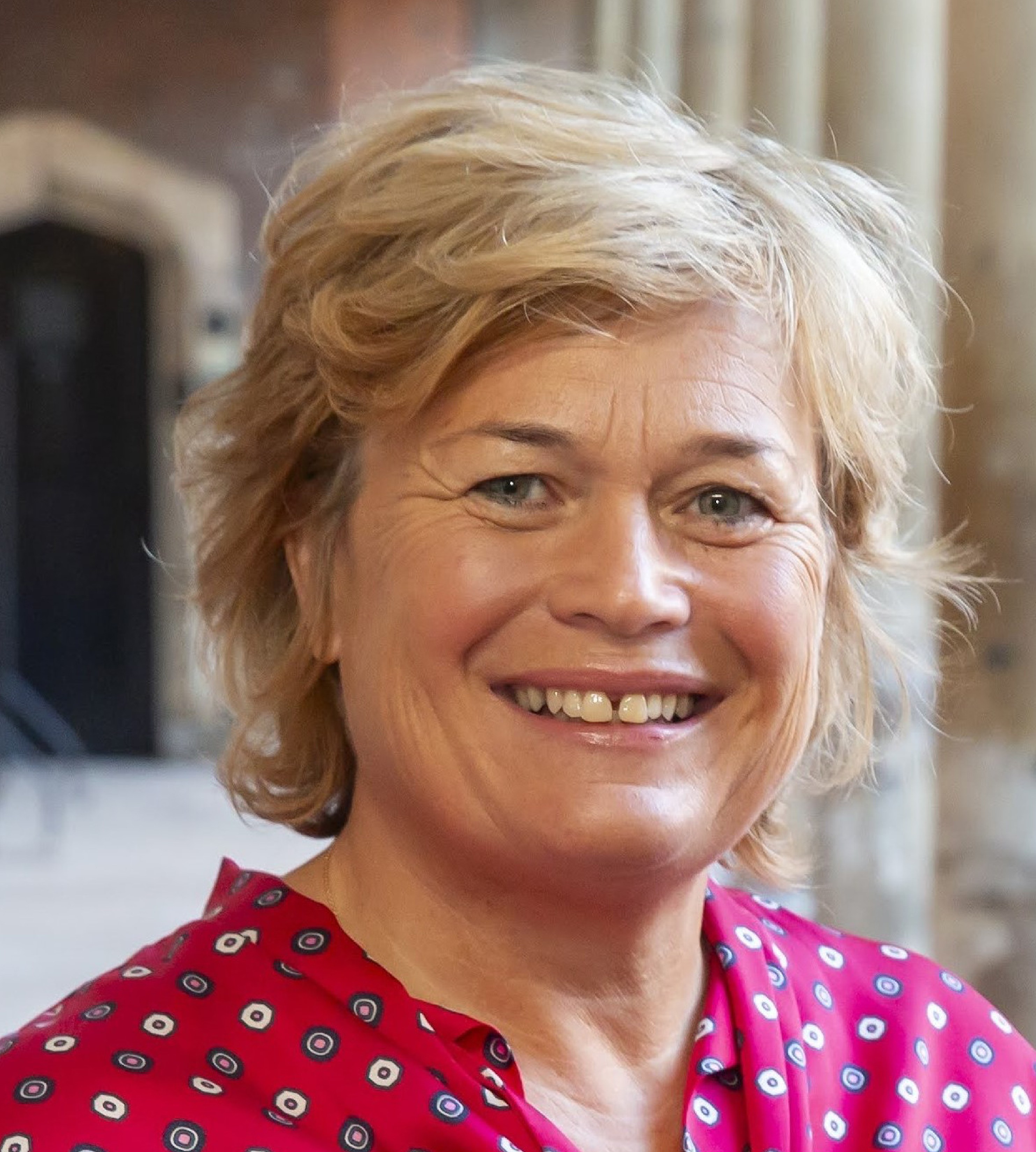
Donnelly and Ismail have been suspended from their roles at PeopleCert following wider questions about their compensation. Donnelly got a payout of almost ten times the median salary (£192,000) for chief executives at Britain’s top 100 non-profits. She was already on a salary of more than £500,000.
Donnelly, Ismail and Limb began discussing a potential sale of City & Guilds’ training business under the codename “Project Birthday” in 2023. On May 13 last year they used a board meeting to approve the bonus structure if a sale went ahead as planned. More than a dozen other colleagues were also due to receive payments. One trustee raised concerns about the improper use of charity funds, but was overruled.
Less than 24 hours later, Andy Challis — a member of the commercial team who reported to Ismail — circulated the internal figures that would be shared with potential bidders.
He said he had slashed the expected cost of a project to overhaul software and quality control systems. The charity had committed to the work months earlier after Ofqual, the exams regulator, found some of its assessment papers contained serious errors, issued a fine of £200,000 and demanded improvements.
The charity had retained the services of two external consultancies, TCS and Avanade, to map out and calculate the cost of the work, which totalled £49 million. Challis said City & Guilds would now say the true figure was £23 million to £25 million.
According to leaked emails, Cecilia Harvey, the chief operating officer, responded that she could not endorse the revised figure because it did not “represent the full and accurate cost of transformation”, and presented “critical” plans as mere “optional work”. She said the changes created “a risk of misrepresentation”, and that the exercise presented a “governance and reputational risk”.
She said it was not plausible for City & Guilds to simply claim there would be no extra staff costs, no extra licensing costs and no costs for disposing of old equipment.
Within two days, Donnelly moved to suspend Harvey over unspecified allegations about her workplace conduct. Harvey left by mutual consent.
City & Guilds did not dispute that the revised figure then went to potential bidders as part of the sale process, PeopleCert among them. A representative for the charity instead said it was “perfectly normal and standard business practice to review and amend proposals from consultants”, but that no one was misled.
PeopleCert said it was investigating the allegations and indicated it had already been made aware of them. The firm completed its purchase last October and, as part of the agreement, directly paid the bonuses to various charity executives.
The latest allegations are likely to form part of the Charity Commission’s inquiries and any investigation by the SFO.
They will also intensify scrutiny on the original transaction, which in an instant ended almost 150 years of work by an entity first founded by the City of London and 16 livery companies, and which was granted royal charter status by Queen Victoria in 1900.
A number of people on the charity’s “council” — whose members belong to the groups that founded City & Guilds — believe they were kept in the dark, and that the way the sale was handed may fall foul of charity law.
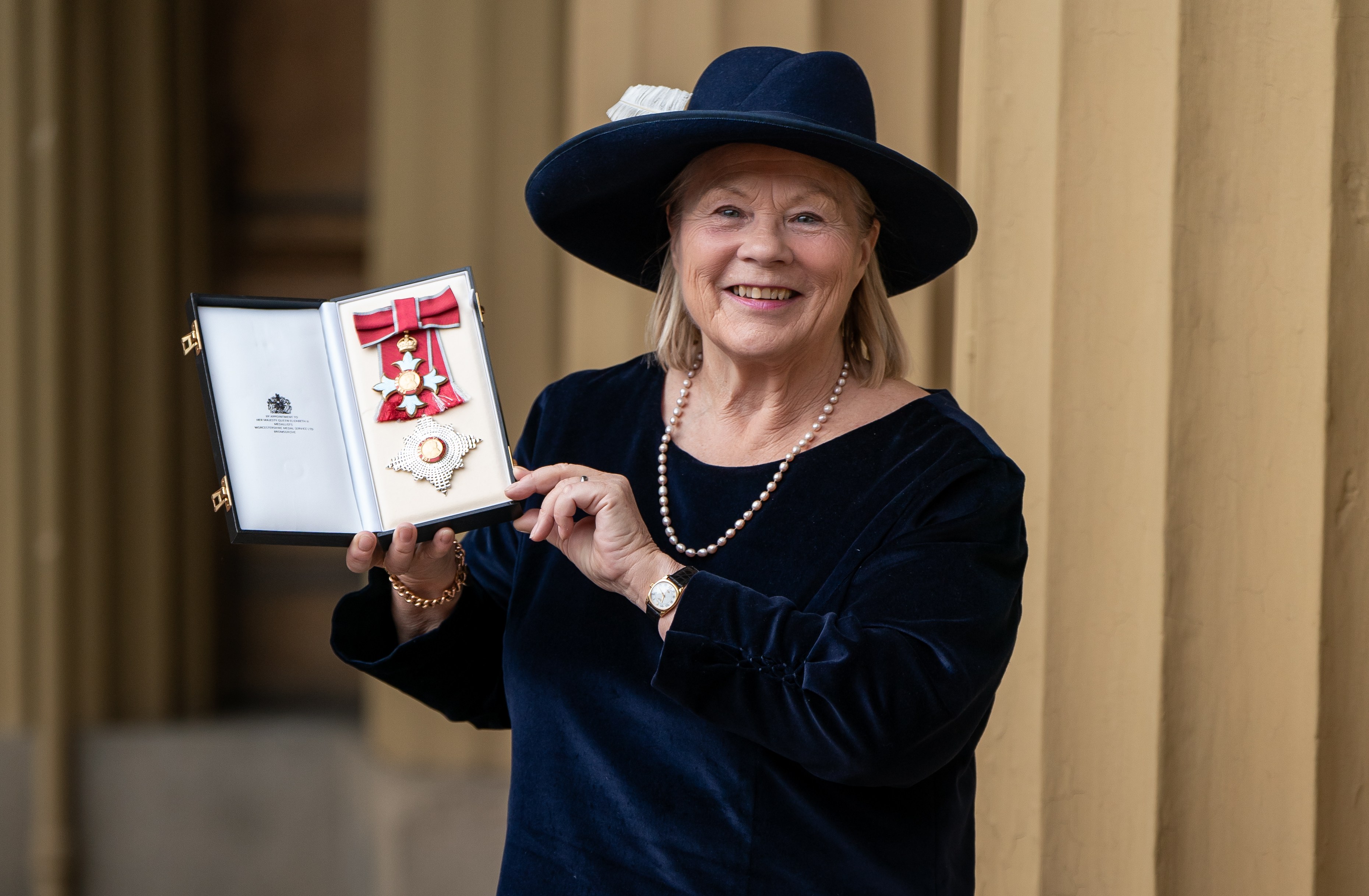
Ann Limb with her DBE at Buckingham Palace in 2023
AARON CHOWN/GETTY IMAGES
Limb continues to face questions. After The Sunday Times revealed her false claim to have a PhD, she stepped down as chairman of City & Guilds, as well as the King’s Foundation and Surrey University.
Starmer had stood by her, declining to rescind her peerage or pre-emptively remove the whip. She is due to be introduced to the upper chamber within weeks.
Neil Bates, a council member and fellow of the City & Guilds Institute, said: “For nearly 150 years, City & Guilds has served learners and employers with a clear public purpose, protected by its royal charter. The secretive sale of the charity’s operating assets — and the serious questions over whether the trustee board acted within its legal powers — represents a profound breach of that trust.
“The substantial bonuses paid to the charity’s senior executive as a result of the transaction raise fundamental questions about who authorised them and whether trustees fulfilled their duty to prevent personal gain from charitable assets. We demand answers — and the current trustees, the recently retired chair, the former charity executives, and the new owners of City & Guilds must now provide them. Only a fully independent inquiry can deliver the transparency and accountability this national institution urgently requires.”
A spokesman for PeopleCert said: “We will investigate these new allegations — which we have only been made aware of in recent days — as part of that process, and confirm the outcome in due course. We cannot comment further on the specifics at this time. In the meantime, we continue to work closely with the regulator and will co-operate fully with the relevant authorities and bodies, including the Charity Commission. We remain fully committed to the IT transformation plan approved by, and agreed with, the regulator.”
A source at City & Guilds London Institute — the parent charity — said the sale through its “commercial arm was a thorough, well-documented process supported by independent advice and comprehensive due diligence by all parties”. The source added that “all bidders conducted rigorous and exhaustive scrutiny of every aspect of the business, including around IT transformation costs and requirements. To suggest any bidder was misled is entirely false.”