

If you have dined out recently and nearly choked at the prices on the wine list, you are not alone.
The cost of the average glass of wine is nearly 40 per cent higher than in 2020, according to figures from UKHospitality, the trade body.
Price rises have been so steep that many upmarket restaurants do not offer any bottles for less than £35 to £40. Social media is awash with diners’ complaints and even industry figures have started raising an eyebrow.
Doug Wregg, marketing director at Les Caves de Pyrene, the wine importer, told The Times he has taken to paying corkage — sometimes as much as £50 a bottle — to avoid restaurant mark-ups.
“I don’t want to spend £100 on a wine that I know costs €8 to import,” he said.
Jay Rayner, the food critic, also called out restaurateurs. Excessive wine prices, he said recently, “make the whole experience of going to the restaurant feel uncomfortable”.
“If you can get a drinkable bottle of wine for £7.99 in the supermarket, which you can put on a wine list for £24, you must be able to find those bottles. Not to do so is wilful and strange and exclusive,” he told the At The Bar podcast.
Restaurateurs, however, insist they are grappling with the same pressures as their customers. Honey Spencer, co-owner of Sune in Hackney, said she was “sick of expensive wine”.
“One of the hardest pills to swallow as a restaurateur over the last few years is the unrelenting rise in the cost of wine. It’s never ending,” she told her followers on Instagram.
Speaking to The Times, she said the problem is particularly acute with “grower champagne”, which is small-batch, estate-produced fizz. She explained these bottles have become so costly to source that she can no longer offer them by the glass except on New Year’s Eve.

Honey Spencer outside of her restaurant in Hackney called Sune
JACK TAYLOR FOR THE TIMES
“Five or ten years ago, you could list a grower champagne by the glass. It was never cheap, probably £17 or £18, which was just about doable. But now, those same wines would have to be £24 to £25 in order to make that very minimum margin. In east London, that doesn’t fly at all.”
Spencer, who trained as a sommelier, said she had cut her margins in an effort to keep her list accessible. “When we opened, wine sales accounted for between 30 per cent and 35 per cent of total revenue. I think that number has dropped now to between 25 per cent and 30 per cent, so it’s fairly significant.”
• The global glut: vintners being paid to dispose of wine
Restaurants typically add a margin of about 70 per cent to wine, and the highest margins are usually on the cheapest bottles.
Spencer said she has added a lower fixed margin to each bottle rather than using a percentage uplift. She explained the new system was necessary because her customers were “not drinking as freely” and “certainly not drinking many really good bottles”.
James Chiavarini, the owner of Il Portico in Kensington, has begun buying “bin ends” — the final bottles of premium lines left with suppliers.
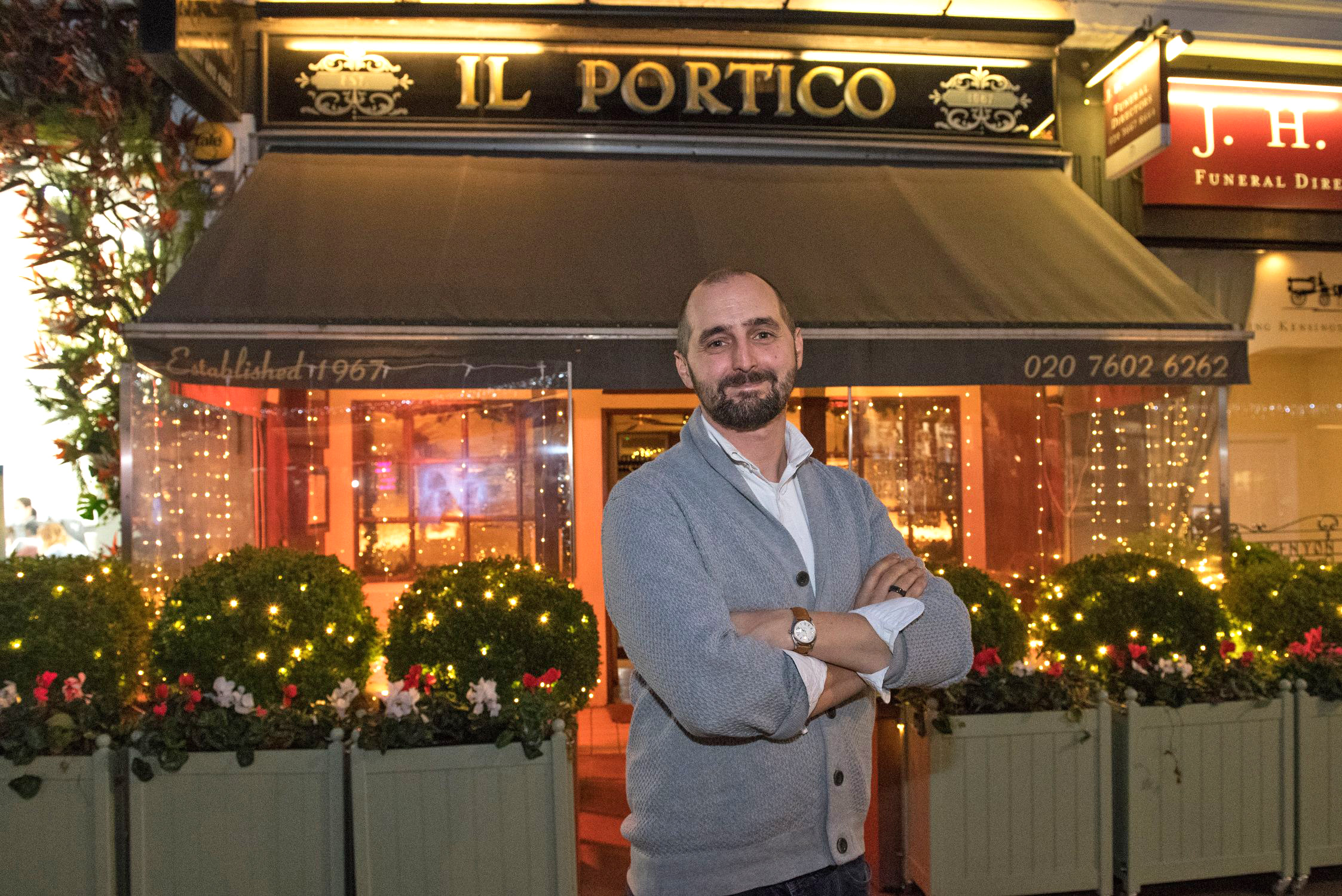
James Chiavarini
SHUTTERSTOCK EDITORIAL
“Instead of having a premium wine list, what we do now is we go to our suppliers and say, right, what have you got on bin ends? They might have only five bottles left of something really fancy. So we say, fine, we’ll take all five and then we’ll put a fixed cash margin on it. The customer gets a really good wine and we get some cash in the bank.”
Few in the industry are keen to apportion blame. Wregg said he sympathises with restaurants facing a barrage of costs. “They’ve got higher wages, increased rents, increased business rates and higher energy bills,” he said.
Spencer, too, points to pressures on producers. “You can’t lower the prices of grapes. There’s so many regions that have just been wiped out for various climate-related things: hail, frost and mildew. Winemakers’ costs are going up all time,” she said.
There is, however, broad agreement that tax has played a significant part. “The escalator on duty is just punitive,” Wregg said. “Every year the duty goes up and there’s no proof it works.”
Most wines now attract higher tax rates under reforms linking duty to alcoholic strength. The Wine and Spirit Trade Association said duty on a typical bottle of red had risen by 49 per cent since the regime came into effect in 2023.
“I do wonder, the reasoning behind it,” Spencer said. “We now pay the highest duty rate in Europe.”
Restaurants must also levy 20 per cent VAT on bottles, including on the higher duty rates, meaning tax now accounts for close to a third of the price of a £30–£40 bottle.
For diners scanning the wine list, the result is simple enough: fewer affordable bottles, more second thoughts and, increasingly, the quiet calculation of whether it is worth buying one at all.