
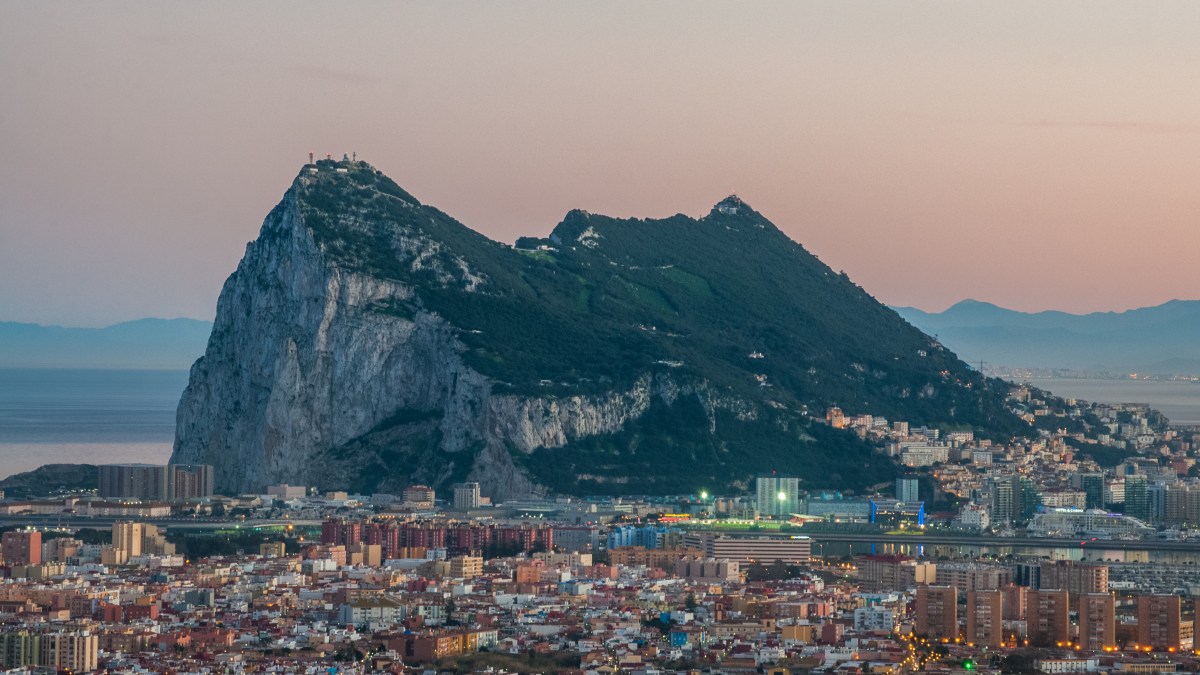
For 300 years the Rock of Gibraltar has been the stone in Spain’s shoe, a tiny territory with an epic history, its siege mentality grounded in endless battles over sovereignty.
But suddenly, finally, the ground has shifted in Spain’s favour and 40,000 Gibraltarians are warily weighing up what the future holds for the character of their uniquely British-infused way of life. A treaty, published last week after years in the making, puts the territory between a rock and a hard place.
Weighing in at more than a thousand pages, the treaty between the European Union and the UK will in a few weeks result in the dismantling of continental Europe’s last wall, as the Spanish foreign minister, José Manuel Albares, described the fence erected a century ago when Gibraltar was still first and foremost a British military base.
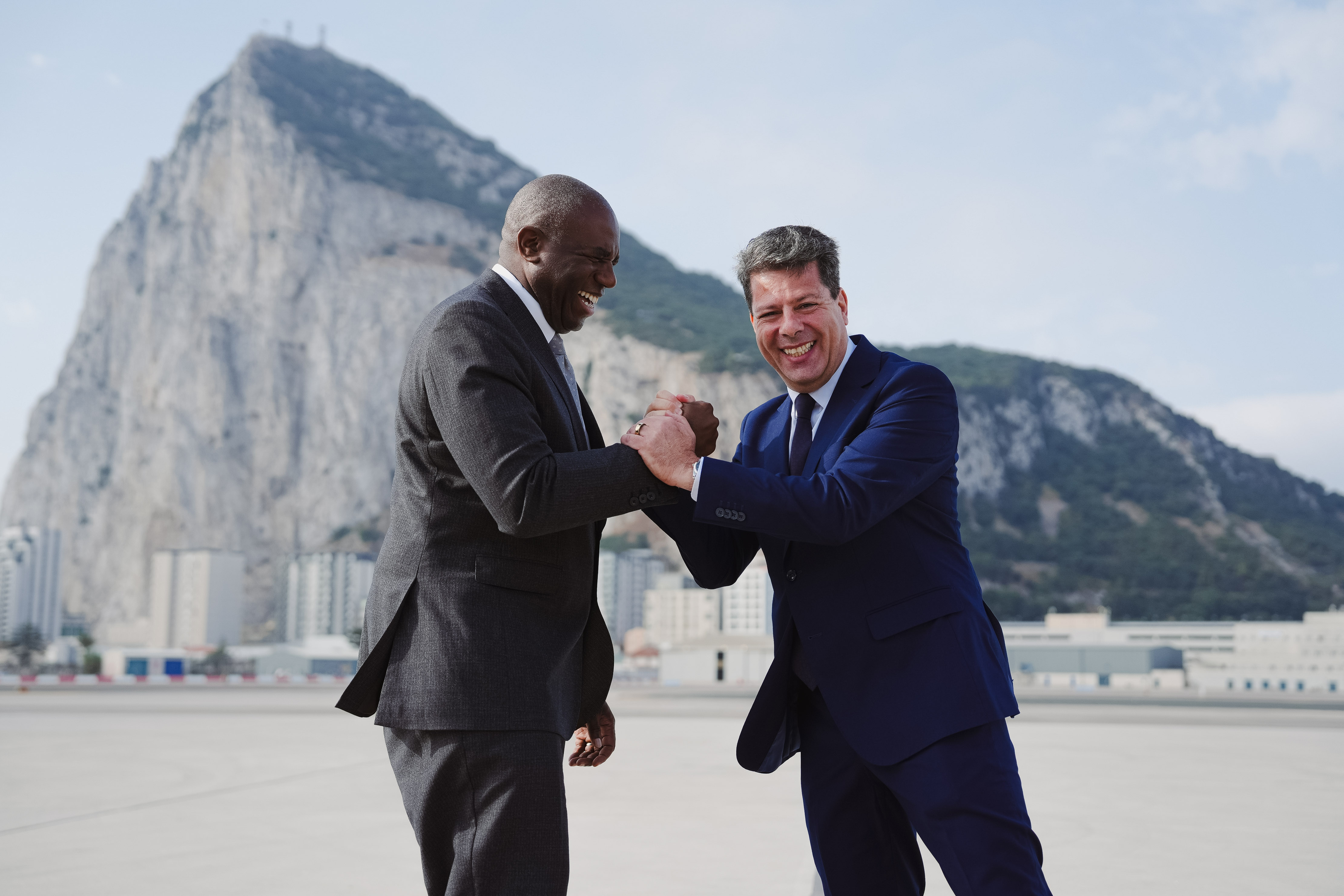
David Lammy, when he was foreign secretary, with Fabian Picardo in 2025
BEN DANCE/FCDO
It “parks” the sovereignty issue (Spain has not relinquished its claim, which under Franco led to the border being closed for 15 years) while bringing Gibraltar within Europe’s Schengen zone, permitting free movement of goods and people — at a price to which the territory was previously adamantly opposed.
This boils down to Spanish boots on the ground, an affront to Gibraltarians born and bred with an instinctive animosity to their neighbours. While Gibraltar’s chief minister, Fabian Picardo, was at pains to play down the Spanish police presence, characterising it as a few officials “behind glass” at the airport, Albares countered that “national police officers will be clearly visible, in uniform, as is the case at any airport where they enforce Schengen regulations”, adding that they would have the final say in permitting entry.
• Gibraltar border checks: what is changing for British travellers?
Other red lines appear to have been crossed. Residency, for instance, in all probability will in the future require Schengen, that is to say Spanish, approval. And Gibraltar must immediately adopt a “transaction tax” — for which read VAT to align with Schengen. The rate will be 15 per cent, rising to 17 per cent in three years.
This will be extremely painful, said Owen Smith, chairman of the Gibraltar Federation of Small Businesses. “If you are importing goods from the UK, but those goods are manufactured elsewhere, as many goods from the UK are, you will pay a 12 per cent EU tariff on top of the new transaction tax. So we’re talking up to 30 per cent by the time you factor in transport costs and packaging. That’s huge.”
He added: ¨What we’re going to lose is what makes Gibraltar unique, which is that we are a British overseas territory. We have British names on our high street, British products in our shops. We have a UK three-pin plug in our wall and all of those things I think are under threat. Exactly how that fact is going to pan out is not really fully understood at this juncture.
“So there’s lots of very worried people out there. We are British citizens, and people don’t want to lose that.”
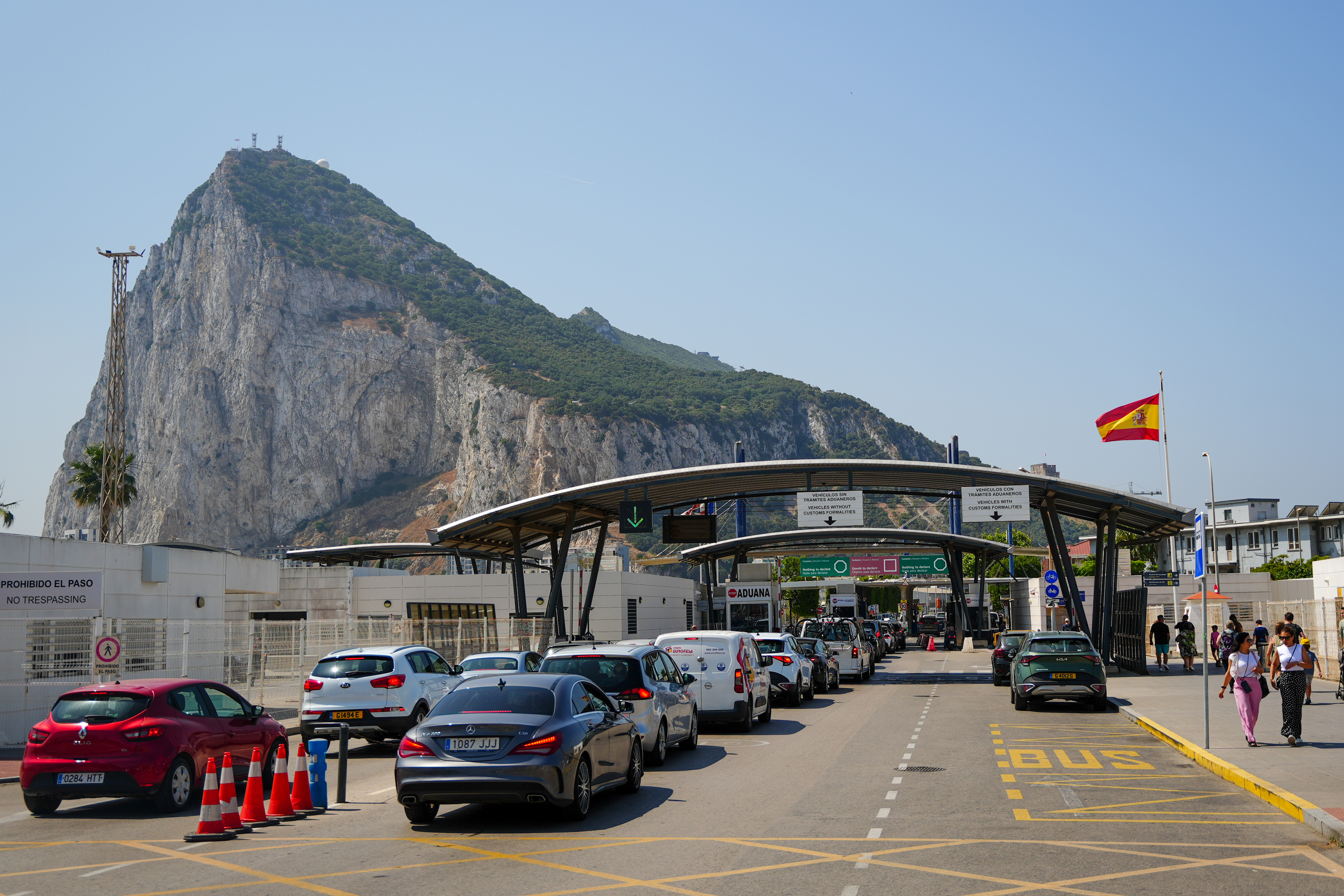
The border crossing between Spain and the Rock of Gibraltar
FRANCISCO J. OLMO/EUROPA PRESS/GETTY IMAGES
Erika Pozo, an accountant who is eyeing a run at next year’s elections to the Gibraltar parliament, shares the generally accepted view that Brexit has forced her beloved homeland into making dangerous compromises.
“The dismantling of the border fence will be celebrated by many in Spain as a symbolic victory, reinforcing their longstanding sovereignty claim,” she said. “I have to say that personally I will feel less British and less secure than I once did. The most crucial point for me is the reality of having Spanish officers operating at our entry points and on the ground in Gibraltar, however limited or technical that role may be. Many, particularly the older generation who lived through periods of hardship and tension, will struggle with that.”
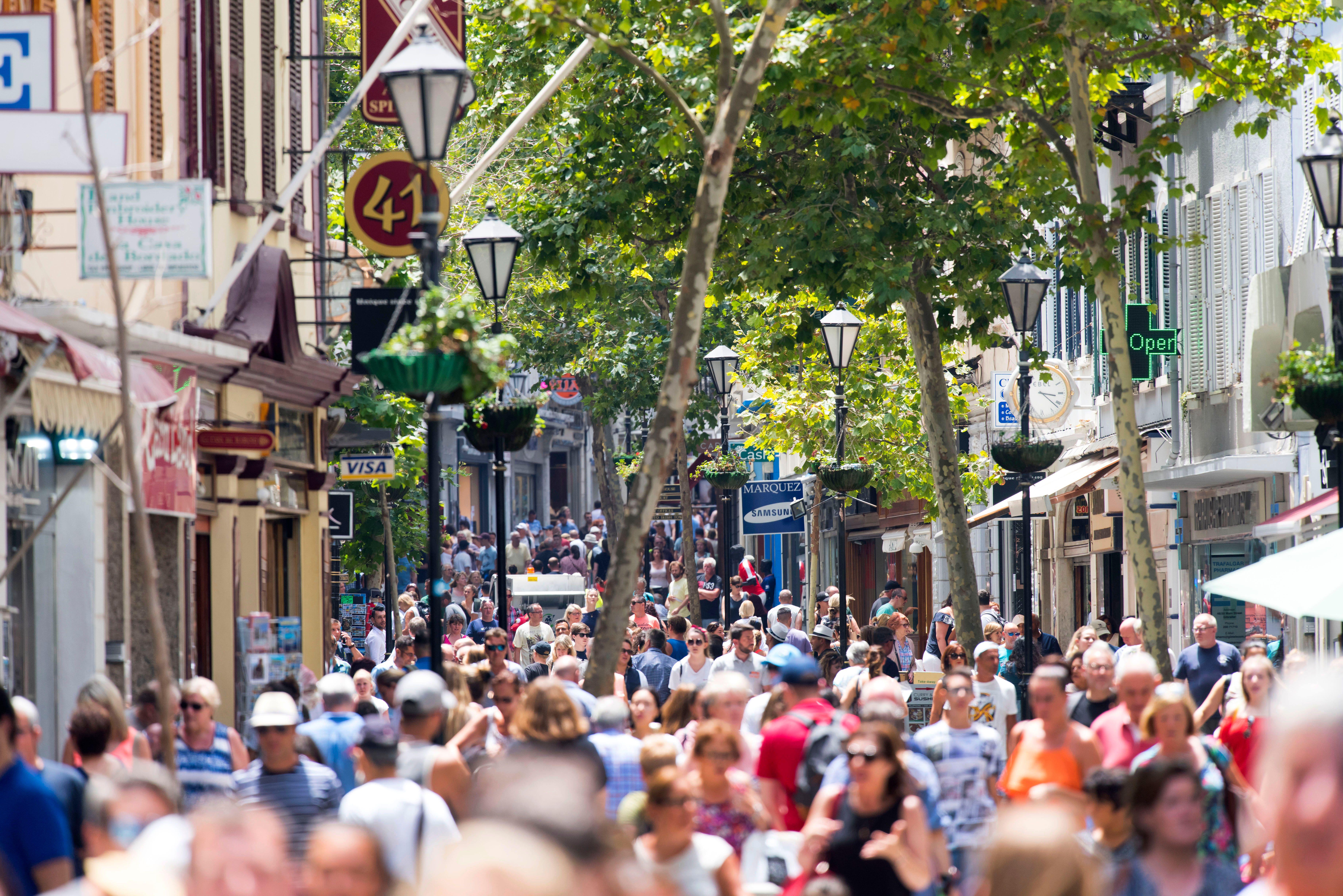
Main Street is the duty-free hub of Gibraltar
ALAMY
On Gibraltar’s bustling Main Street, the pubs and Union Jack bunting convey a festive feel — but nobody is celebrating. “What can we do? We don’t have a strong hand any more and we have to survive,” said a senior civil servant who wanted to remain anonymous. “I don’t trust the Spanish, they’ve always treated us very badly but I am old enough to remember when the border was shut and those were very hard times.”
Yet amid the fears of a mainly older generation there is also a thread of indifference to encroaching Spanish authority. James Barton, a 27-year-old entrepreneur who operates three restaurants, is looking to the future. “I am personally looking forward to the disappearance of the border, for ease of travel to Spain which we all like to do, there’ll be no more queues,” he said.
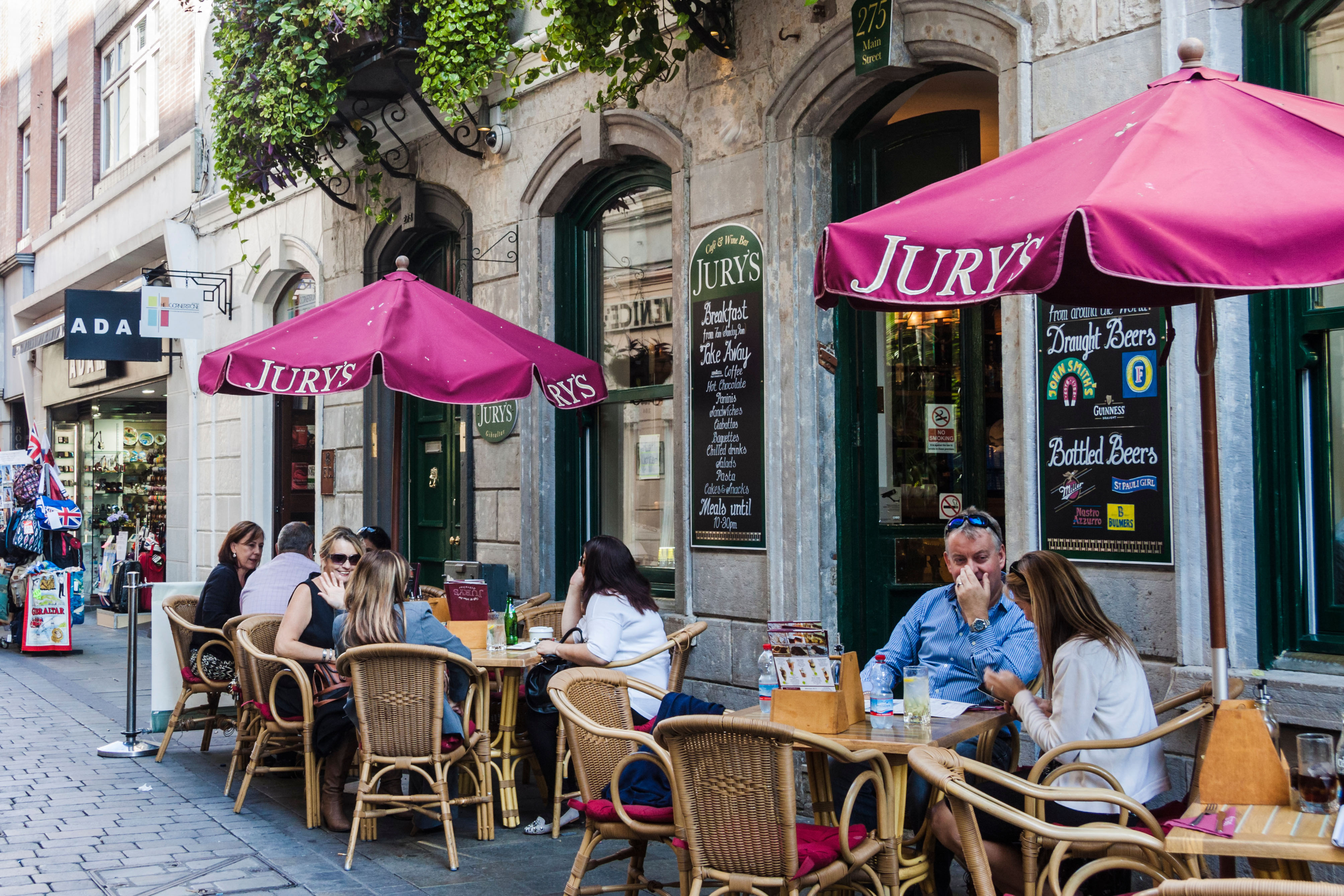
Main Street in Gibraltar
ALAMY
He has no qualms about Gibraltar losing its identity. “Even though it has many Spanish aspects to it, the social identity is extremely strong,” he said. “When you see all the referendums that have happened, it’s always overwhelmingly voted to stay British. There’s never a doubt, you know, if you ask any Gibraltarian; we’ve always been proud of our Britishness, and we celebrate it. So I don’t think that will change any time soon.”
To alleviate the gloom Picardo was pleased to announce that Gibraltar would soon have 20 more red pillar boxes, more red telephone boxes and more black London taxis. “Gibraltar is going to feel very British indeed,” he said, beaming.