
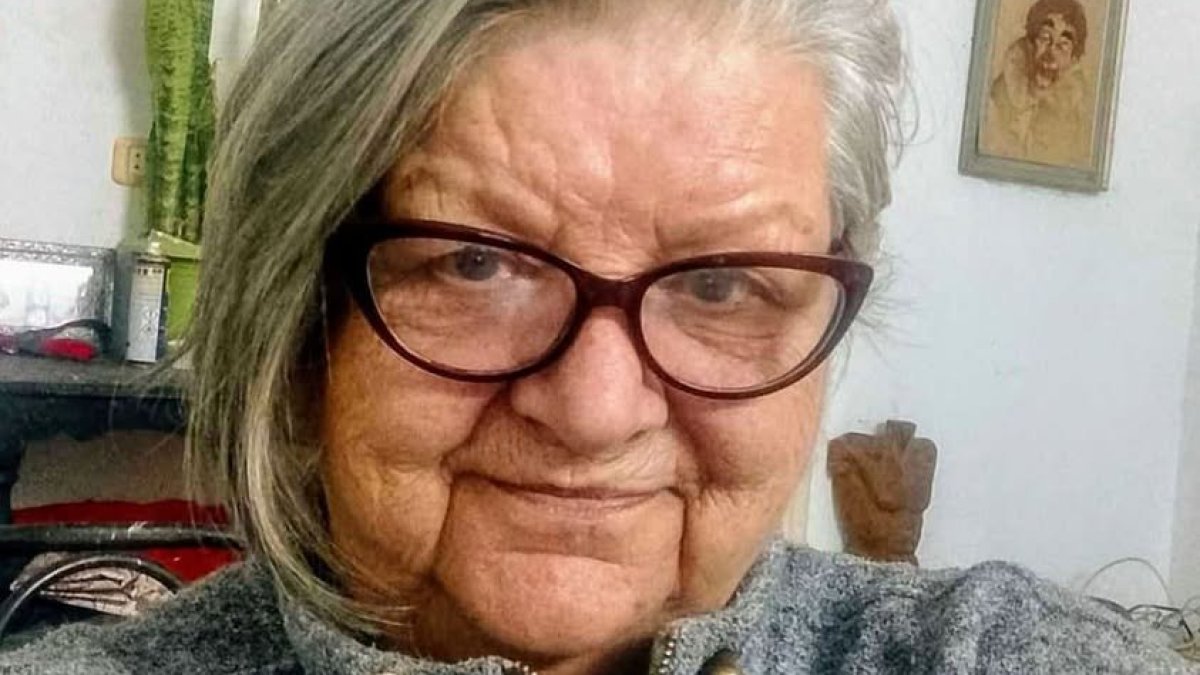
Jeannie Soupidis-Hill says she feels isolated and is living in poverty because of her frozen state pension
Jeannie Soupidis-Hill, 75, says she barely has enough money to eat, as a result of her state pension being frozen at the rate it was when she first started claiming it.
“I live on bread and soup made from tomato puree most days. My luxury is instant coffee,” Jeannie said.
She is one of many that has been affected by the frozen state pension policy that prevents British pensioners who move to a range of countries – including Australia, Canada, South Africa, New Zealand, India and Tunisia – from receiving annual increases to their pensions.
This means that their pension payments remain frozen at the amount they were when they were first claimed.
New FeatureIn ShortQuick Stories. Same trusted journalism.
Jeannie moved to Tunisia from London in 2000 to teach English but retired in 2011, when she was 60, after developing chronic fibromyalgia – a long term condition causing pain throughout the whole body.
“I’m living in an old apartment. I’ve had no heating or hot water for six years.
“The owner of my apartment has lived in the UK for over 35 years and refuses to improve the situation. He’s now planning to return to live here permanently in two years and insisting I must leave.
“I’ve not been able to afford good healthy food. I haven’t bought any new clothes in eight years and I can’t afford to pay the doctor.”
Jeannie added that she only has intermittent electricity due to affordability reasons.
She receives only £63.94 in state pension payments as a result of taking a break from work because of mental health issues, which meant she was not making national insurance (NI) contributions for a time.
You usually need 35 qualifying years of NI contributions to get the full state pension.
For those living in the UK, the state pension is set to increase by 4.8 per cent from April 2026, with the full new state pension rising to £241.30 per week and the full basic state pension to £184.90 per week.
Yet more than 450,000 pensioners who retire abroad have their state pension frozen when they leave the UK, according to figures from the End Frozen Pensions campaign.
Pensioners who return to the UK can get their pension uprated to the full amount but this rate only applies so long as they are in the UK.
As a result of the reduced rate, Jeannie says her frozen payments means she is struggling and living in poverty as she gets no other income but her state pension.
Before moving to Tunisia, she was a special needs teacher in England but didn’t pay into a workplace pension – and now wishes she had.
Jeannie pays 420 Tunisian Dinar a month for her rent and bills, which amounts to £107, and says she is left with “minimal money” for food.
She added: “I can’t afford to return to live in the UK.”
Jeannie said she also could not afford to see a specialist for her fibromyalgia and is unable to afford medication to ease her condition and pain.
“Why am I being treated badly for doing the correct thing and educating many children to improve their lives?”