
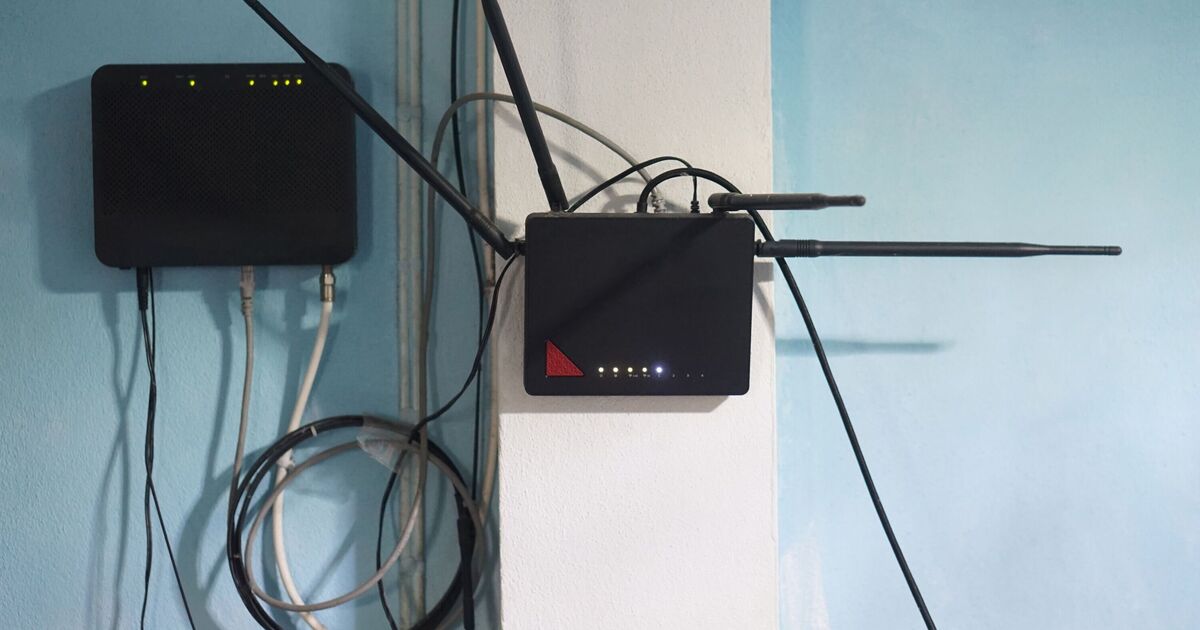
Households across the UK are being warned that having an outdated Wi-Fi router could pose serious security risks and affect internet performance. Tech experts are urging people to keep their routers updated and to replace them every four to five years to ensure they continue running safely and efficiently.
Routers use built-in software called firmware that controls how the device manages connections, communicates with devices, handles updates, and protects the network. If a router’s firmware is outdated, it may no longer receive critical updates, leaving the device vulnerable to hackers who could access personal and sensitive information.
Juliet Moran, a tech expert from TelephoneSystems.Cloud, said: “The quality of your Wi-Fi router is incredibly important. Unfortunately, older ones are often slower, less secure, and struggle to keep up with modern devices.
“The main security risk with older routers is that they stop receiving firmware updates. Bugs and vulnerabilities go unfixed, leaving your network open to hackers.
“As a rule of thumb, you’ll want to change your router around every five years. Signs that yours may be outdated include slower internet speeds, trouble connecting new devices, or difficulty handling multiple gadgets at once.
“You can also check for firmware updates by logging into your router’s admin page. If the manufacturer hasn’t released an update in years, your Wi-Fi may no longer be secure.”
Security risks
When outdated routers stop receiving important firmware updates, your network becomes vulnerable. Hackers could steal personal information and monitor your online activity, putting sensitive data at risk.
Slow Wi-Fi
Older routers often rely on outdated Wi-Fi standards, which can slow down internet speeds. Devices may connect slowly, and streaming or gaming may frequently buffer or lag.
Compatibility problems
Modern phones, laptops, and other electronics often rely on up-to-date Wi-Fi features. Old routers may struggle to connect newer devices properly, or at all.
Issues with multiple devices
Outdated routers can be overwhelmed if several devices are connected simultaneously, especially newer ones. This can lead to dropped connections and slower speeds across the network.
Limited coverage
Older routers tend to have weaker signals, meaning Wi-Fi may not reach all areas of a home. Dead zones can appear where the connection is unreliable or drops entirely.
Experts say that with so many people relying on Wi-Fi for work, study, and streaming, checking the age and firmware of your router is more important than ever. Replacing an outdated router is a simple step that can protect personal data and improve internet performance.