
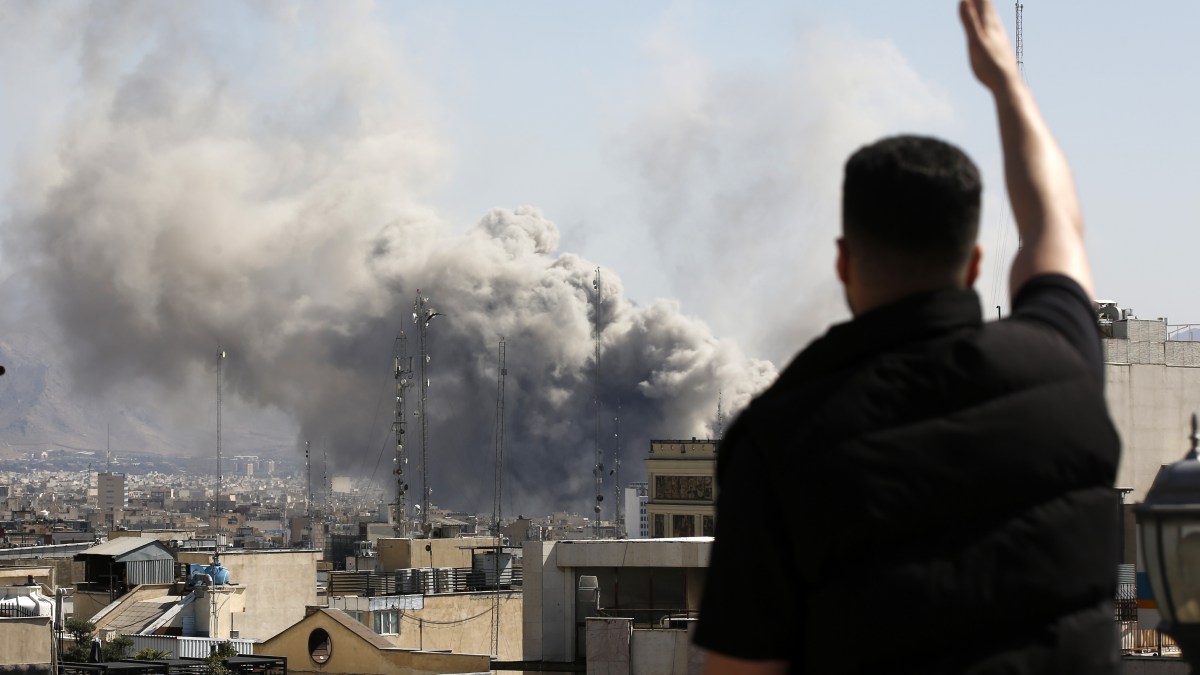
A surge in oil prices triggered by turmoil in the Middle East after American and Israeli strikes on Iran is set to increase fuel prices for consumers and threatens a broader rise in costs.
Brent crude, the international benchmark, briefly hit $82 a barrel in the wake of the killing of Ayatollah Ali Khamenei, Iran’s supreme leader, before easing back, but is now trading up 10 per cent to $80 a barrel.
The FTSE 100 has opened down 0.8 per cent at 10,823.59 after Asian stock markets retreated as investors fled to safe havens, driving gold up 2.5 per cent to $5,408.94 a ounce and bolstering the dollar. Japan’s Nikkei fell 1.3 per cent, and the Hang Seng 1.88 per cent.
Analysts forecast that prices, which had risen by a fifth this year because of expectations of a US strike on Iran, could surge to $100 amid the prospect of sustained supply disruption, which would have “a material effect on global inflation”.
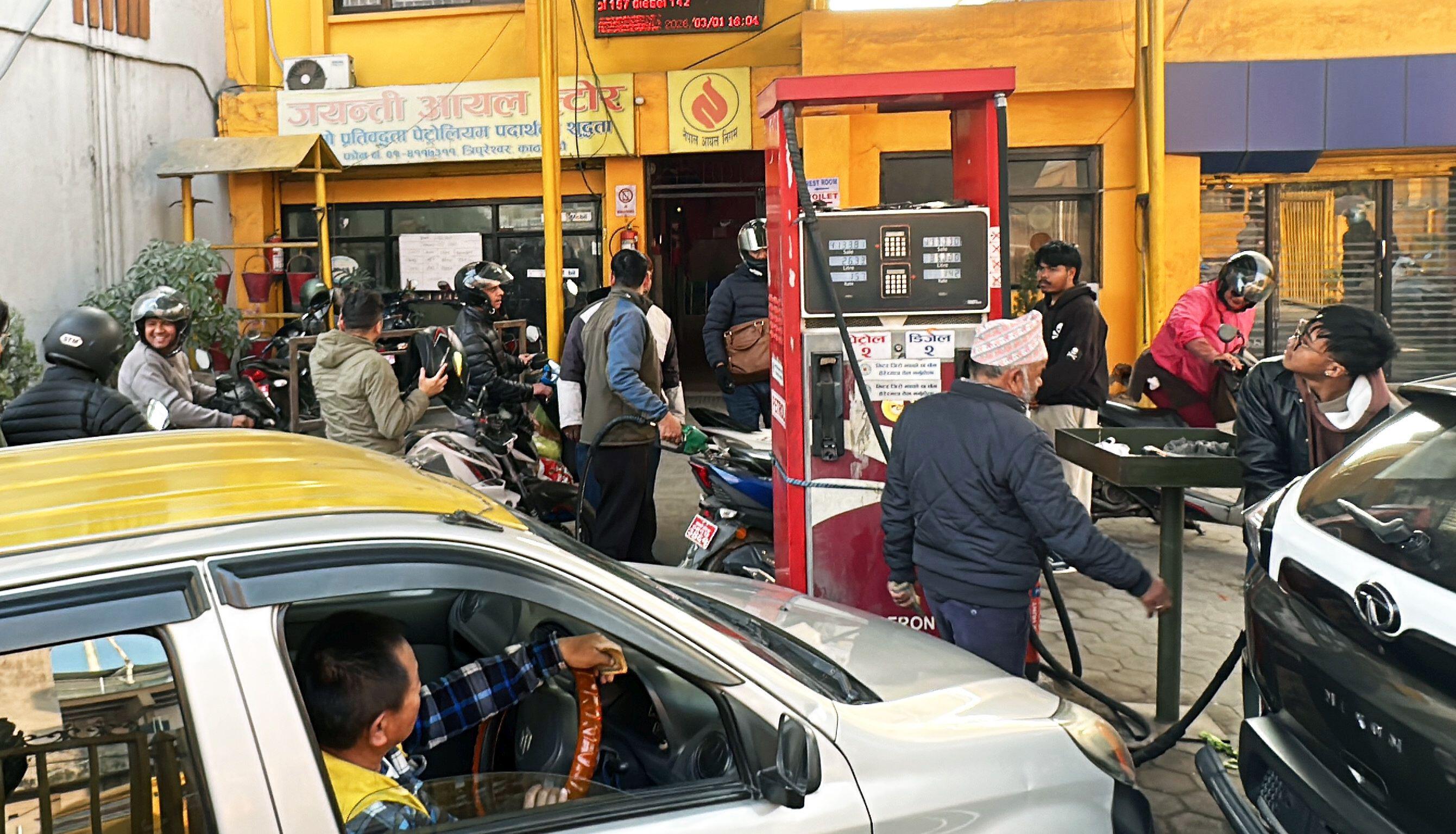
In Nepal drivers rushed to petrol stations in expectation of rising prices
SUNIL SHARMA/ZUMA PRESS/ALAMY
Rising oil prices are set to increase prices at the pumps for motorists and to increase the cost of transportation, manufacturing and logistics. That threatens a further squeeze on consumers and a fragile global economy already affected by trade wars.
The average UK price of petrol is 132.9p a litre, and diesel 142.4p, according to the latest figures from the AA, which warned that the attacks combined with the Treasury’s impending ending of a 5p-per-litre fuel duty cut could push up prices for motorists.
Tanker owners and oil majors suspended crude oil, fuel and liquefied natural gas shipments via the Strait of Hormuz between Iran and Oman, one of the world’s most important oil routes, over the weekend after Tehran warned ships against moving through it.
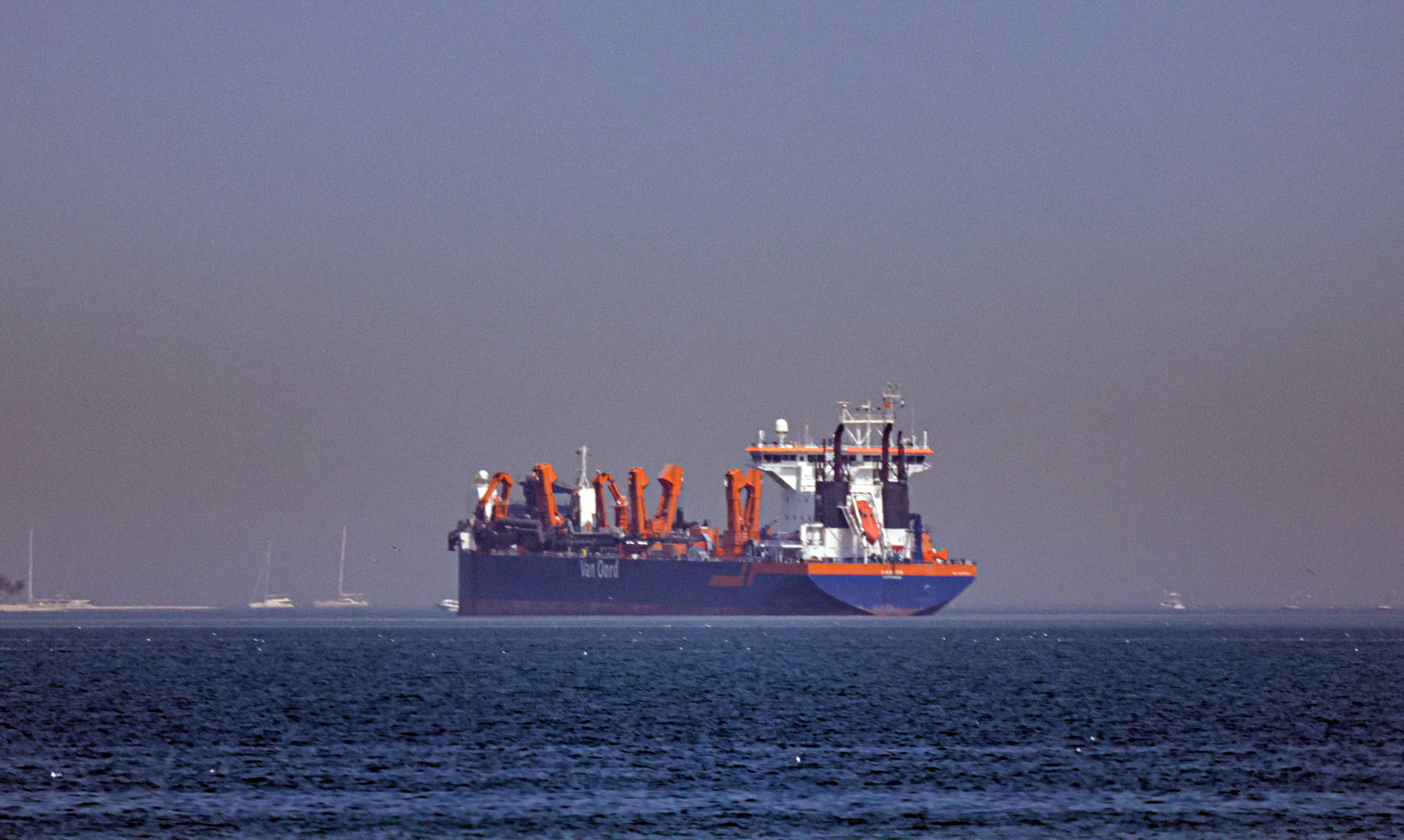
More than 150 tankers dropped anchor beyond the Strait of Hormuz and off the coasts of major Gulf producers
EPA
Maersk, the Danish container shipping group, said that it was “suspending all vessel crossings” in the strait until further notice, adding: “The safety of our crews, vessels and customers’ cargo remains our key priority.” Sources at Shell said safety was the priority amid reports that a supertanker chartered by the company had halted.
Experts said the “worst-case scenario” for energy markets and shipping flows was the closing of the strait, a narrow waterway that connects the Gulf to the Arabian Sea through which more than a fifth of global oil is typically transported. They said, however, that some diversion was possible through pipelines to the Red Sea and Fujairah in the UAE.
More than 150 tankers dropped anchor beyond the strait and off the coasts of major Gulf producers and more were stationary on the other side, according to a Reuters analysis of shipping data from MarineTraffic, the global ship-tracking intelligence provider. Insurers are understood to have temporarily halted cover for ships passing through the waters.
After a meeting of eight members of the Opec+ group of the world’s major oil producers on Sunday, including Saudi Arabia, Russia and the United Arab Emirates, a modest increase in output was agreed, by 206,000 barrels per day (bpd) from April, representing less than 0.2 per cent of global demand.
Analysts said the group had “minimal shock absorbers” and every producer “essentially maxed out with the sole exception of Saudi Arabia”, the world’s largest oil exporter, limiting production increases.
The expected spike in oil prices means that stocks including the oil majors BP and Shell will be in focus when share trading resumes in London on Monday. Investors are expected to seek out safe havens such as gold.
William Bain, head of trade policy at the the British Chambers of Commerce, said: “If significant disruption occurs through the Strait of Hormuz, it will destabilise supply chains of oil and liquid natural gas to India, China and South Korea. This could quickly impact upon energy security, energy costs, wider inflation and economic growth in the Gulf and Indo-Pacific regions, as well as here.”
He said that disruption to aviation and shipping markets, including availability and cost rises, was also a serious concern. The conflict could lead to lengthy disruption for visitors to and from the region, since many travel via Dubai and Doha.
• Three dead in UAE as Iran hits Dubai and Abu Dhabi airport
“In 2024, we found that 50 per cent of UK businesses had been affected by conflict in the Middle East so firms will be nervously watching these latest developments,” Bain said.
William Jackson, chief emerging markets economist at Capital Economics, said that the economic fallout depended on the length of the conflict and the scale of retaliation and escalation.
Iran has responded with missile and drone attacks against Israel and against US assets in the region, while a Palau-flagged oil tanker under US sanctions was hit on Sunday off Oman’s Musandam peninsula, according to the country’s maritime security centre.
Iran is among the world’s largest oil producers, pumping up to five million barrels a day in 2024, according to the Energy Institute, an industry association, and accounts for more than 4 per cent of global production.
Jackson said: “A rise in Brent crude to $100 per barrel could add 0.6 to 0.7 percentage points to global inflation. And natural gas prices would probably increase too.”
That, in turn, could slow the pace of interest rate cuts by major central banks, he said, particularly in emerging markets, where policymakers tend to be more sensitive to swings in commodity prices.
The Bank of England, along with other major central banks, has been cutting interest rates. Rachel Reeves, the chancellor, is due to deliver her spring statement on the economy on Tuesday.
Kallum Pickering, the chief economist at Peel Hunt, the City investment bank, said: “We need to brace for many weeks of uncertainty, especially given the absence of obvious off-ramps for de-escalation, at least for now.
“The potential economic consequences are complex and far-reaching. We need to watch both China and Russia, which rely on Iranian hydrocarbons and military equipment, respectively. For Europe and other advanced economies, the primary risks stem from uncertainty and the potential for higher hydrocarbon prices to push up consumer prices.”