 © Shengliang Su
Share
Or
https://www.archdaily.com/1039118/wave-cube-scenic-architecture-office
 © Shengliang Su
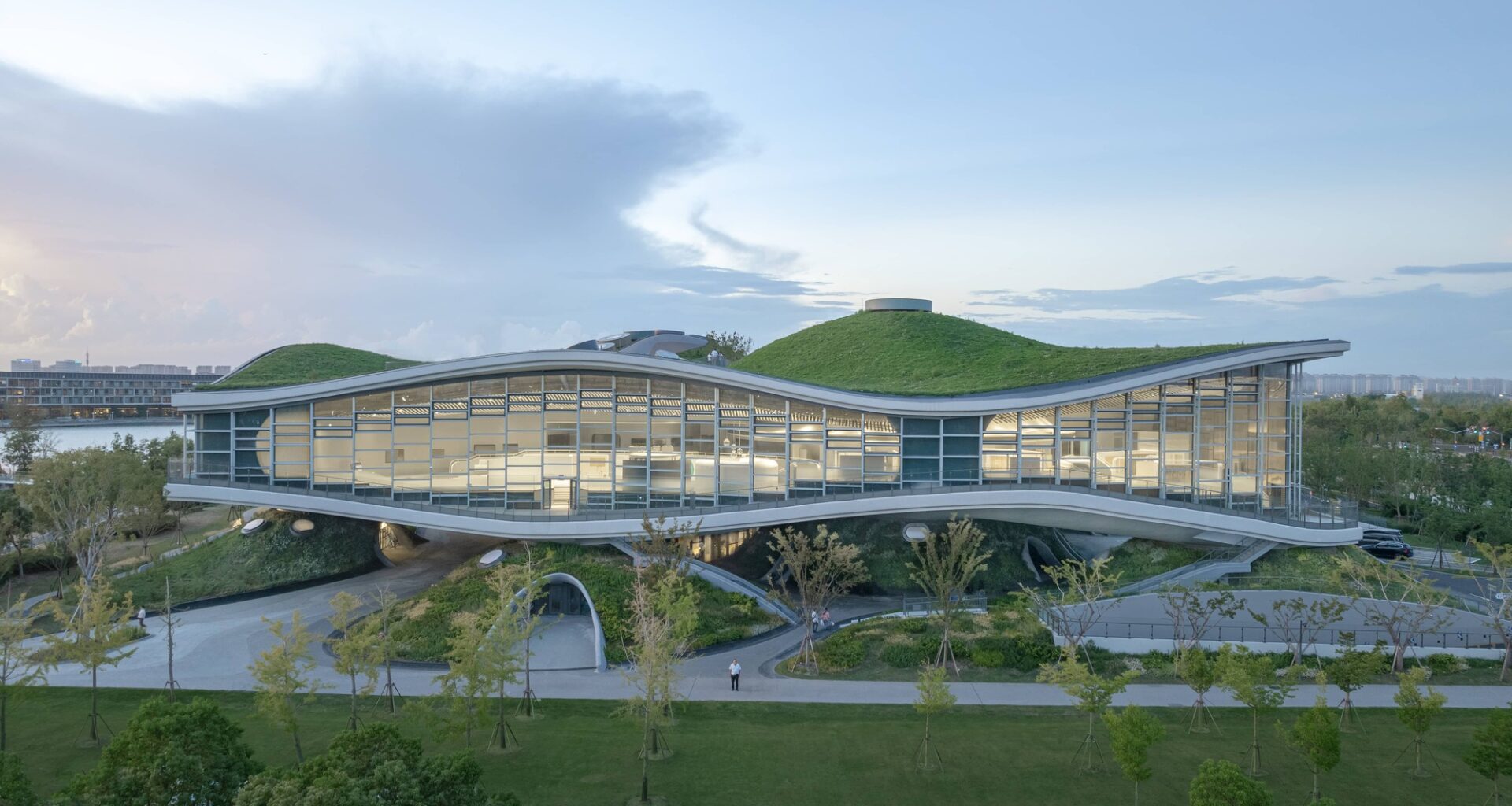
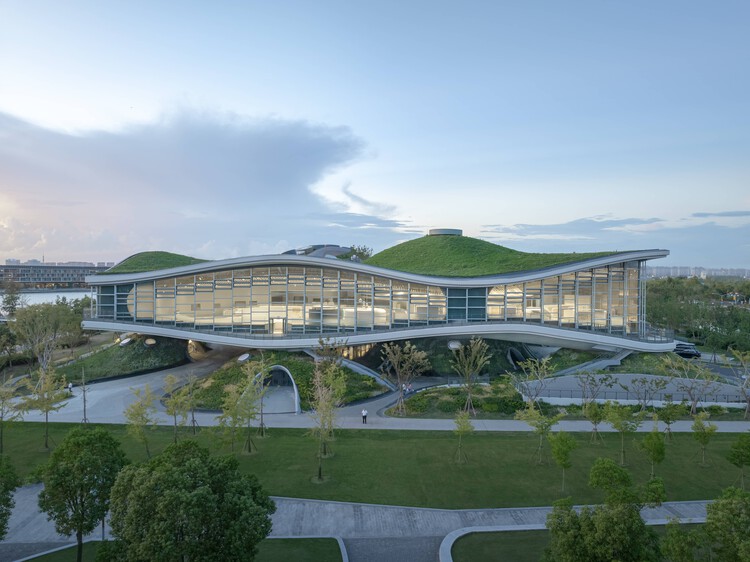
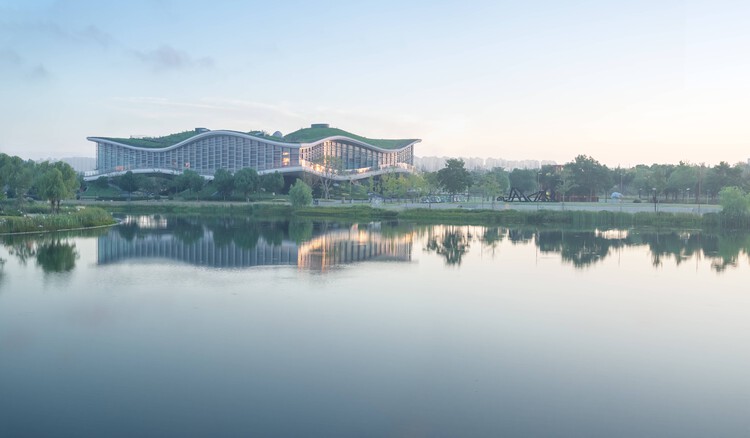
Wave Imaginary — Whether in literature or science, waves are both ubiquitous and mysterious. In the everyday environment of Earth, only a few visible continuous media generate observable waves, such as water waves, while experiences at the human scale are even rarer, with surfers being among the few who can enter the interior of ocean waves. As a man-made structure, architecture is formed through static systems that create fixed spaces to meet human needs for activities and rest within flat surfaces. Consequently, it is challenging to draw direct comparisons with dynamic systems like waves. Only fixed locations such as skateboarding pools provide an experience of dynamic undulation. In recent works by Scenic Architecture Office, the focus has consistently been on three directions: “courtyard settlement,” “extension of homes,” and “free cell.” Among these, “free cell” explore new architectural forms through the integration of technology and spatial experience. The continuous undulation of mountains and waters, the traditional clustering of architectural rooftops, the reproduction of cells, and the transmission of information all share a morphological connection to waves. We have been continuously thinking whether the morphology of waves could offer further insights for the future of architecture. The “Wave Cube” project by Jin Hai Lake has provided us with a rare opportunity for exploration.