
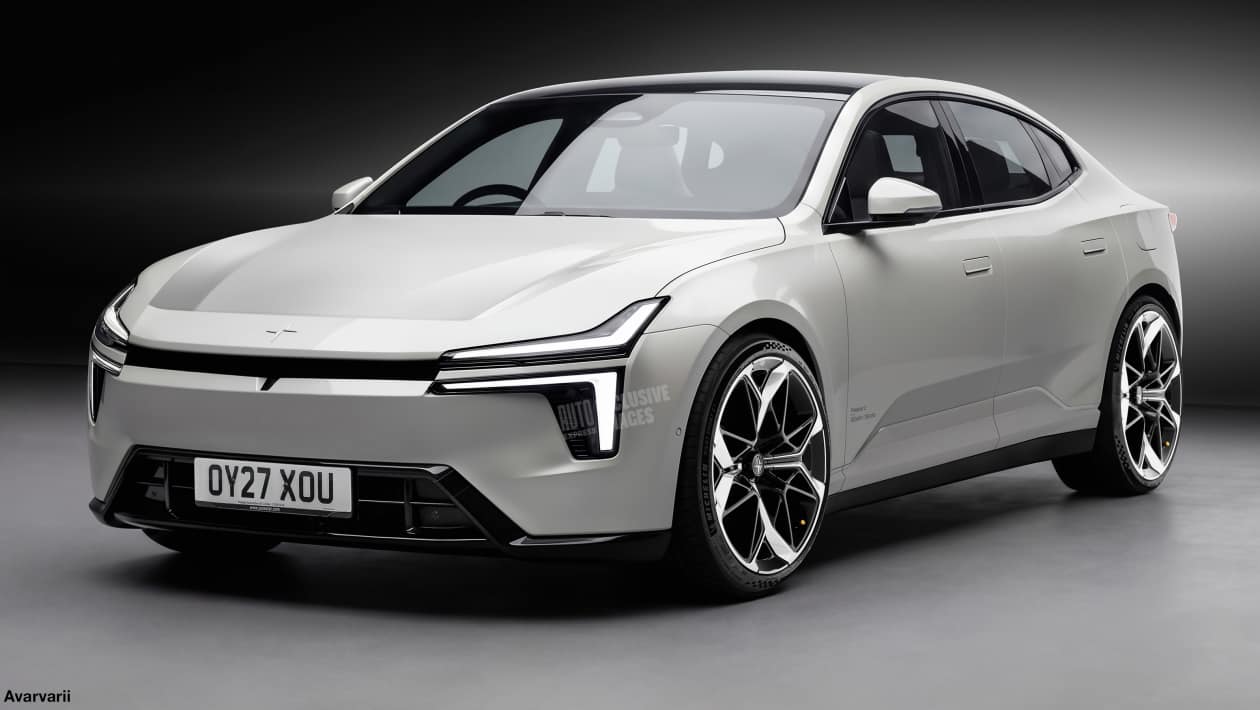
And he namechecked ‘the Beast’, Polestar’s high-performance, special edition 2 from 2022. It had 469bhp, an aggressive bodykit and lowered suspension. “This is inspiration for the future, because it looks sporty.”

The interior design will also reflect Polestar’s sporty ethos. The cockpit will be more driver-oriented, with the screen angled towards the driver. Römers will also use more vibrant colours than today’s grey-dominated shades and a warmer, more human user interface with more switches.
The new design is enabled by a box-fresh vehicle architecture. Boss Lohscheller has railed against the number of car platforms the Swedish EV-maker currently uses: “Over time, I want to harmonise architectures, because we have too many different ones.” The outgoing 2, Polestar’s SUVs and the incoming, all-aluminium 5 performance GT are all based on different vehicle platforms. That’s a luxury for any car maker, let alone one that sold only 60,000 cars in 2025.
Advertisement – Article continues below
Spurred on by its crippling losses and the strategic direction of owner Geely Holdings, Polestar is regrouping on a new platform that will feed a number of the group’s brands. Sister marques include Geely, Lotus, Lynk&Co, Volvo and Zeekr, and in autumn 2024 owner Li Shufu’s ‘Taizhou Declaration’ called for more component and powertrain sharing across the group to squeeze out unnecessary expenditure.