
Your support helps us to tell the story
From reproductive rights to climate change to Big Tech, The Independent is on the ground when the story is developing. Whether it’s investigating the financials of Elon Musk’s pro-Trump PAC or producing our latest documentary, ‘The A Word’, which shines a light on the American women fighting for reproductive rights, we know how important it is to parse out the facts from the messaging.
At such a critical moment in US history, we need reporters on the ground. Your donation allows us to keep sending journalists to speak to both sides of the story.
The Independent is trusted by Americans across the entire political spectrum. And unlike many other quality news outlets, we choose not to lock Americans out of our reporting and analysis with paywalls. We believe quality journalism should be available to everyone, paid for by those who can afford it.
Your support makes all the difference.Read more
Rat infestations in UK properties have surged over the past year, a phenomenon experts attribute to a record-breaking hot summer followed by recent heavy rainfall. Rentokil Pest Control reported a 10 per cent year-on-year rise in confirmed rodent sightings, with notable increases observed across Northern Ireland and northern England.
Northern Ireland recorded the largest increase of 26%, followed by Yorkshire (20%) and north-west England (19%).
Several other regions, including the West Midlands (16%) and Scotland (14%), also had double-digit rises.
Rentokil said longer-term climate patterns could be contributing to the increase, including 2025 being the UK’s warmest year on record.
It said milder weather could increase rat reproduction by extending their breeding season and leading to larger populations.
Rentokil warned that the record-breaking wet start to 2026 across the UK could also lead to higher levels of rat activity.
Sustained heavy rain can flood burrow systems and drainage networks, displacing rats and increasing the likelihood of infestations as they seek higher, drier shelter, it said.
open image in gallery
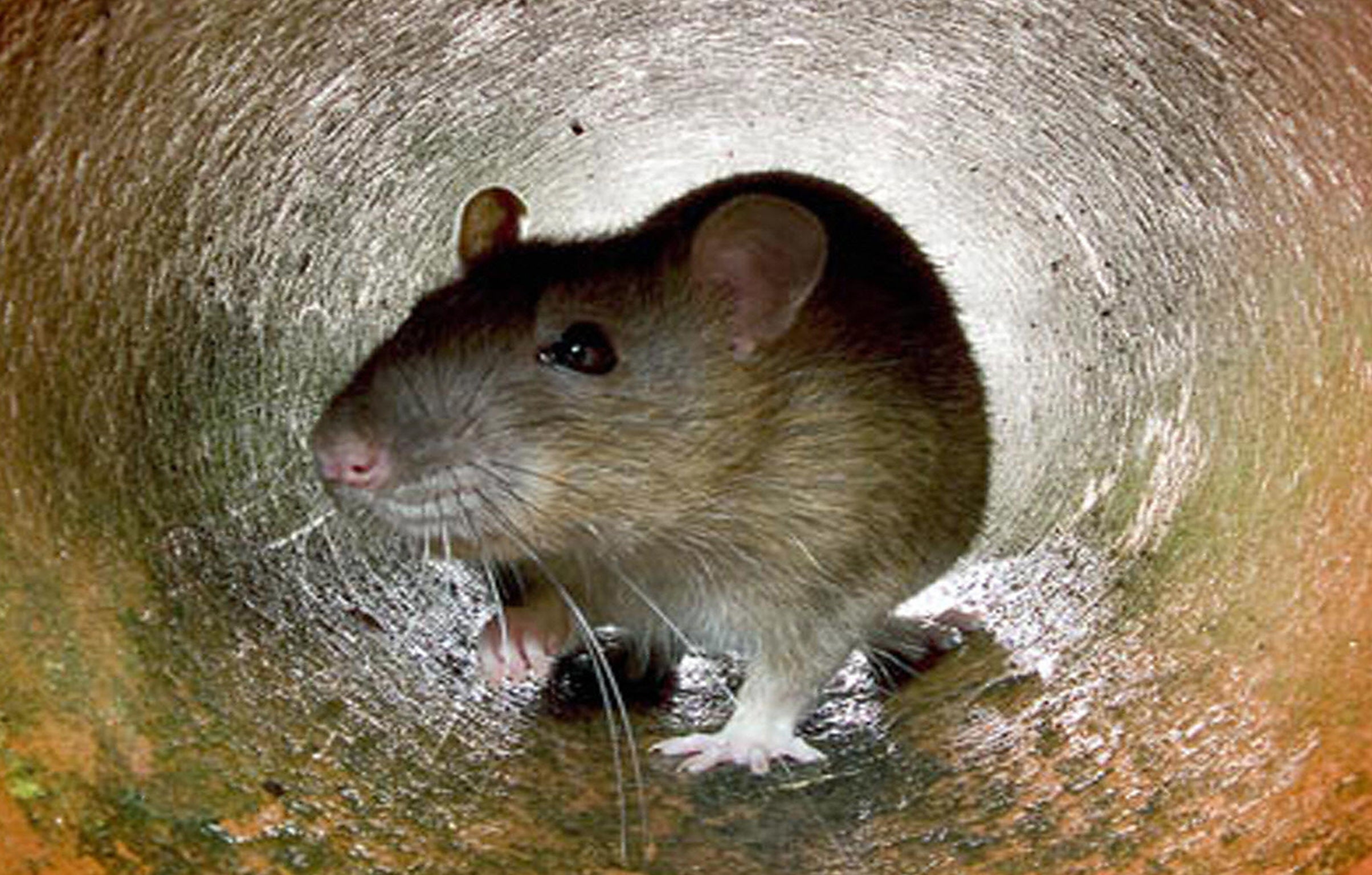
Rats can enter exposed pipes
Paul Blackhurst, from Rentokil, said: “Rats are highly capable swimmers. They can navigate strong currents, enter exposed pipes and sewers, and swim considerable distances in open water.
“However, what they cannot tolerate is prolonged submersion. When burrow systems and sewer networks flood, rats are forced to seek higher, drier ground, increasing the risk of infestations in properties.
“With northern regions already reporting notable increases in reported activity, continued wet weather may push more rats into properties. Early prevention and professional support are key.
“Simple steps such as proofing entry points, managing waste effectively and responding quickly to early signs of activity can make a significant difference. If a problem does become unmanageable, professional pest control experts are always on hand to provide safe and effective solutions.”
After periods of heavy rain, storms and flooding, property owners are advised to take proactive steps to reduce the risk of rodent activity, including:
Clearing debris promptly by removing fallen branches, leaves and other items that may have accumulated around the property, as these create ideal hiding and nesting spots for rats.Sealing potential entry points.Inspecting the walls and foundations of the property for gaps, as rats can squeeze through “surprisingly small” openings.Removing sources of food by ensuring outdoor bins are sturdy, fitted with tight lids and positioned away from building walls where possible.