
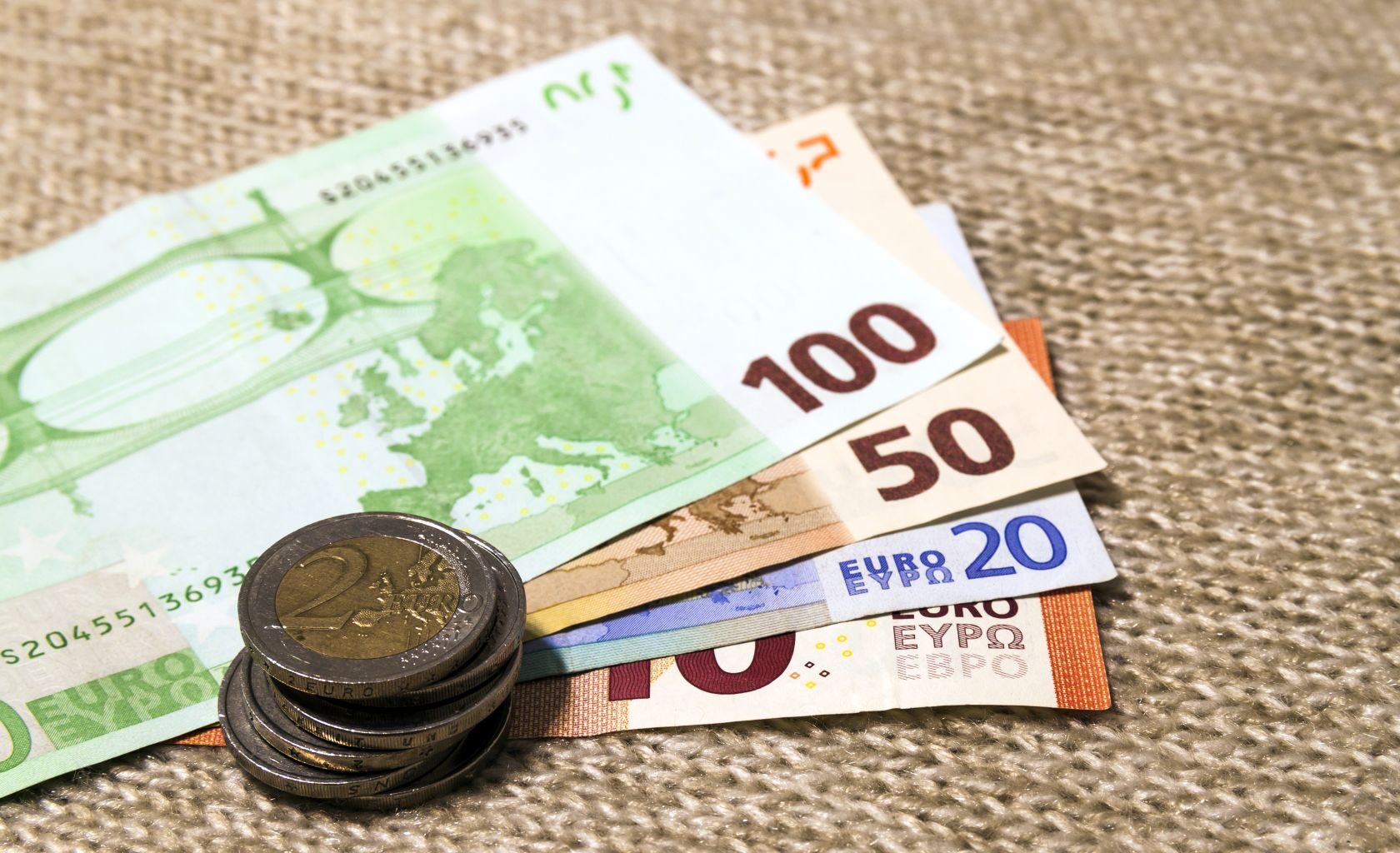
The final decision on their appearance is expected in 2026.
Despite this modernisation, the message for citizens’ daily lives is one of complete continuity: the current banknotes will not become invalid or disappear suddenly.
The transition process will be slow, gradual, and virtually imperceptible at first, ensuring that the money Europeans carry continues to be accepted without restrictions.
The aesthetic renewal of the banknotes aims to bring them closer to European cultural identity. Themes under discussion for the new designs include historical figures such as Beethoven, Marie Curie, and Leonardo da Vinci, as well as natural elements such as rivers and European landscapes.
The ECB plans to involve the public through consultations and design competitions, seeking a balance between technological innovation and the currency’s familiarity to millions of people. Even after the new models are approved, their production and deployment will take several years. It is important to emphasise that there will be no “mandatory exchange.”
As with previous updates, the new banknotes will enter circulation as the old ones are naturally withdrawn from circulation by banks. This example has already been tested with the 500 euro note, which, despite ceasing production in 2019, never lost its value and can still be used or deposited normally.
In parallel, the ECB continues to work on the digital euro project. However, the authorities insist that this new form of currency will be a complementary payment option and not a replacement for physical money.
Cash remains essential for its accessibility and resilience in the event of technical failures in payment systems. Thus, while the European financial system adapts to an increasingly digital future, euro banknotes are preparing to evolve silently, ensuring the security and confidence of those who use them every day.