
The company behind it says it’s good for both farmers and the environment
Jamie Waller Local Democracy Reporter
09:01, 03 Mar 2026
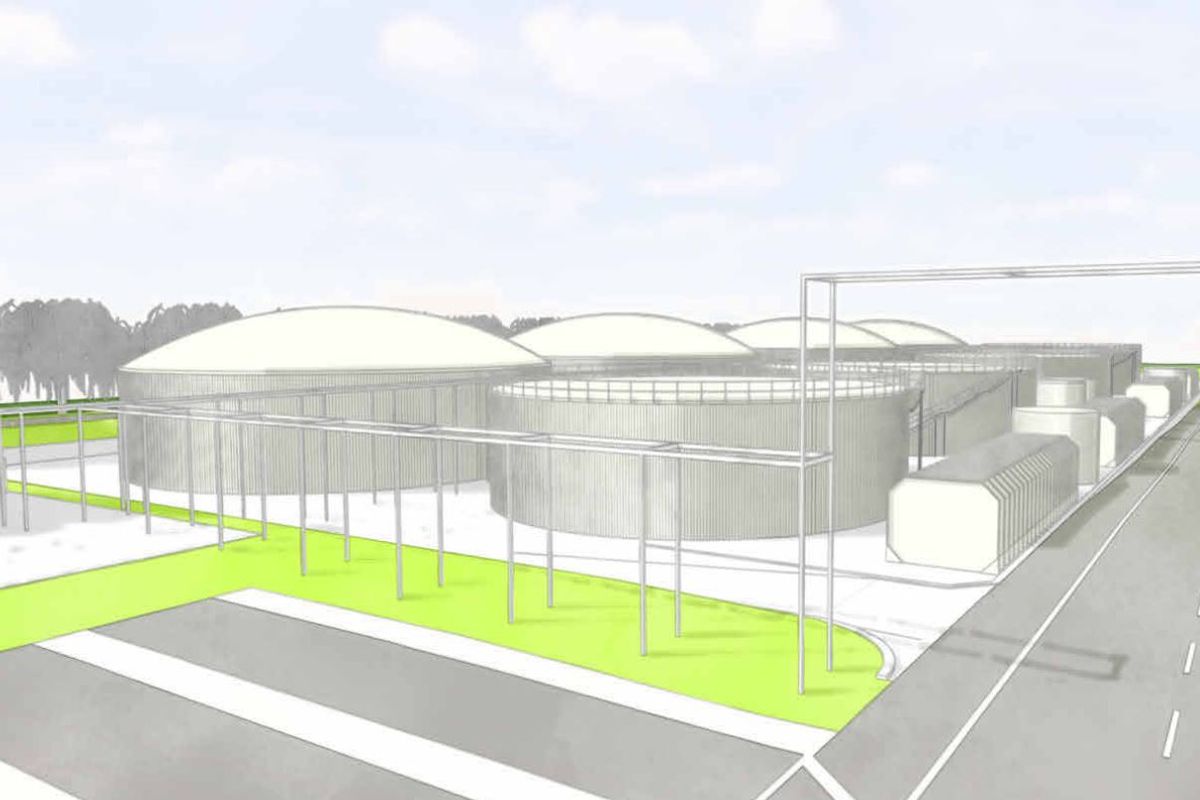
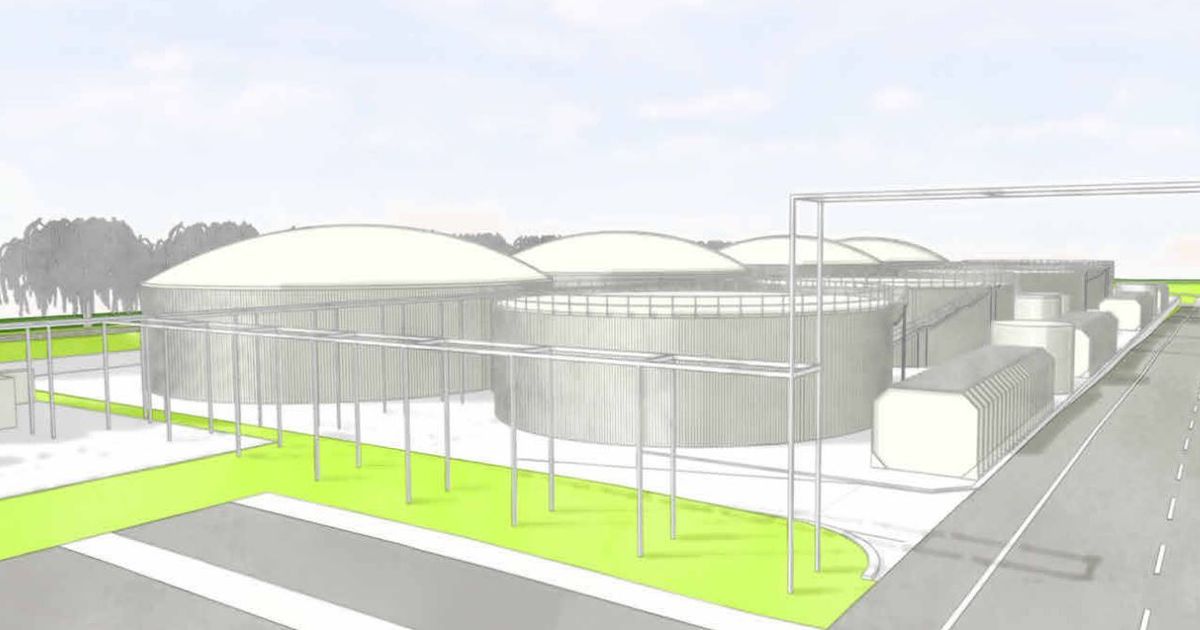
Plans for a second anaerobic digestion plant in Glentham, West Lindsey(Image: VIDA Bioenergy Ltd)
A plant that recycles crops and cattle waste into renewable energy could be built near a Lincolnshire village.
An anaerobic digestion plant was constructed near the West Lindsey village of Glentham in 2022, and plans have now been submitted for a second one nearby.
The planning application says it would convert waste products and spare crops into renewable biomethane gas, which could power approximately 20,000 homes.
The plans have been submitted by the London-based renewable energy developer VIDA Bioenergy Ltd.
The 10-hectare site would be approximately 1km from Glentham and 10km from the nearest town of Market Rasen.
Plans show that it would be accessed off Cross Lane, a short distance from the current working plant.
The facility would handle 150,000 tonnes of feedstock per year, comprising crops, agricultural by-products, and other waste.
It also claims that this would boost local farms by enabling them to plant a wider range of crops, thereby offering economic stability in a time of uncertainty.
As well as gas, which would be pumped into the National Grid, the anaerobic digestion process would also create carbon dioxide for industrial uses and natural organic fertiliser.
Planning documents submitted to West Lindsey District Council claim that the carbon-reduction benefit could be equivalent to planting 2.7 million trees per year.
They state: “Like the existing anaerobic digestion facility, the proposed facility would produce a renewable energy source by producing biomethane, which would be cleaned and injected into the local natural gas distribution network using the established connection point (offsetting supplies of fossil fuel).
“The facility would be designed so that it can accept a range of organic feedstocks from agricultural sources.
“In total, the proposed facility would treat around 150,000 tonnes per annum of organic feedstock, made up of energy crops, agricultural by-products and waste.”
Lincolnshire councils have been supportive of anaerobic digestion plants in the past, with a major one recently being given permission in Spalding.