
Your support helps us to tell the story
From reproductive rights to climate change to Big Tech, The Independent is on the ground when the story is developing. Whether it’s investigating the financials of Elon Musk’s pro-Trump PAC or producing our latest documentary, ‘The A Word’, which shines a light on the American women fighting for reproductive rights, we know how important it is to parse out the facts from the messaging.
At such a critical moment in US history, we need reporters on the ground. Your donation allows us to keep sending journalists to speak to both sides of the story.
The Independent is trusted by Americans across the entire political spectrum. And unlike many other quality news outlets, we choose not to lock Americans out of our reporting and analysis with paywalls. We believe quality journalism should be available to everyone, paid for by those who can afford it.
Your support makes all the difference.Read more
Horrific.” “Not acceptable.” “Targeted mockery.” These are not exactly words you want to hear when it comes to a light-entertainment comedy sketch. But these condemnations, pulled from a damning statement by charity Tourettes Action, are just some of the reactions to Saturday Night Live’s recent skit – a lampoon of the recent Baftas controversy that seemed to mock people with Tourette syndrome. (In the sketch, a series of problematic celebrities – Mel Gibson; Bill Cosby; Armie Hammer – are seen using Tourette’s as an excuse for their transgressions.) After 50 years on the air, SNL’s waning cultural relevance is pretty much a truth universally acknowledged. This sketch may have wrenched the series back into the spotlight, but for all the wrong reasons.
The backlash arrives with SNL less than three weeks away from one of its diciest gambits: the launch of its new British version, Saturday Night Live UK. In years past, importing SNL to the UK would have made perfect sense. Early on, the show – spearheaded by producer Lorne Michaels – was an innovative, acclaimed, and (somewhat) countercultural force to be reckoned with. Brits might not have been familiar with the content of the series itself, but they certainly recognised the products of its formidable star-making machinery: bona fide A-listers like Bill Murray, Eddie Murphy, and Will Ferrell. In recent years, SNL has found breakout stars hard to come by, a fact that is probably less to do with the talent than the material they’re working with.
Sketch shows are inherently hit and miss, but the hits for SNL have become few and far between. Part of the problem is its political sensibility: the Donald Trump presidencies have seen the show root itself firmly in a brand of stolid, self-satisfied liberalism, limply chiding the president week in, week out, in the most predictable or exactingly unfunny terms. (There can be no more mortifying embodiment of SNL’s political malaise than the sight of Kate McKinnon after the 2016 election, glumly crooning “Hallelujah” while in Hillary Clinton get-up.)
open image in gallery
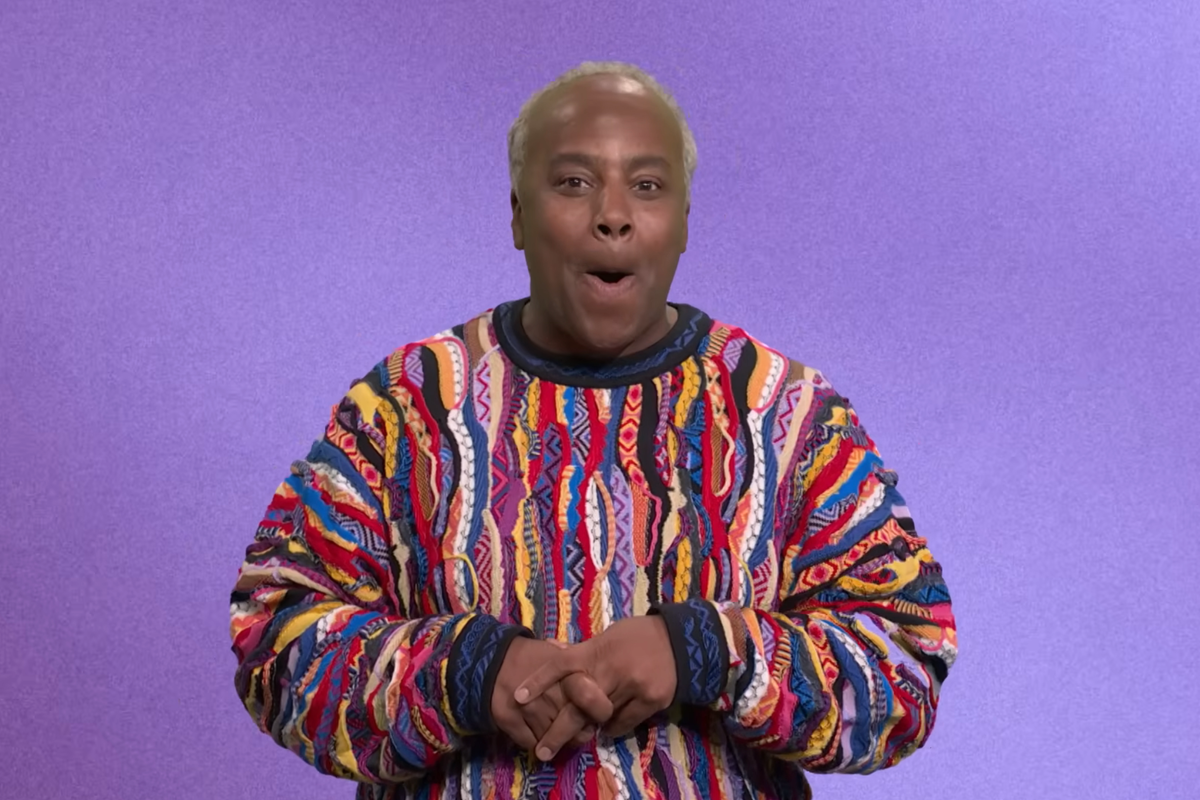
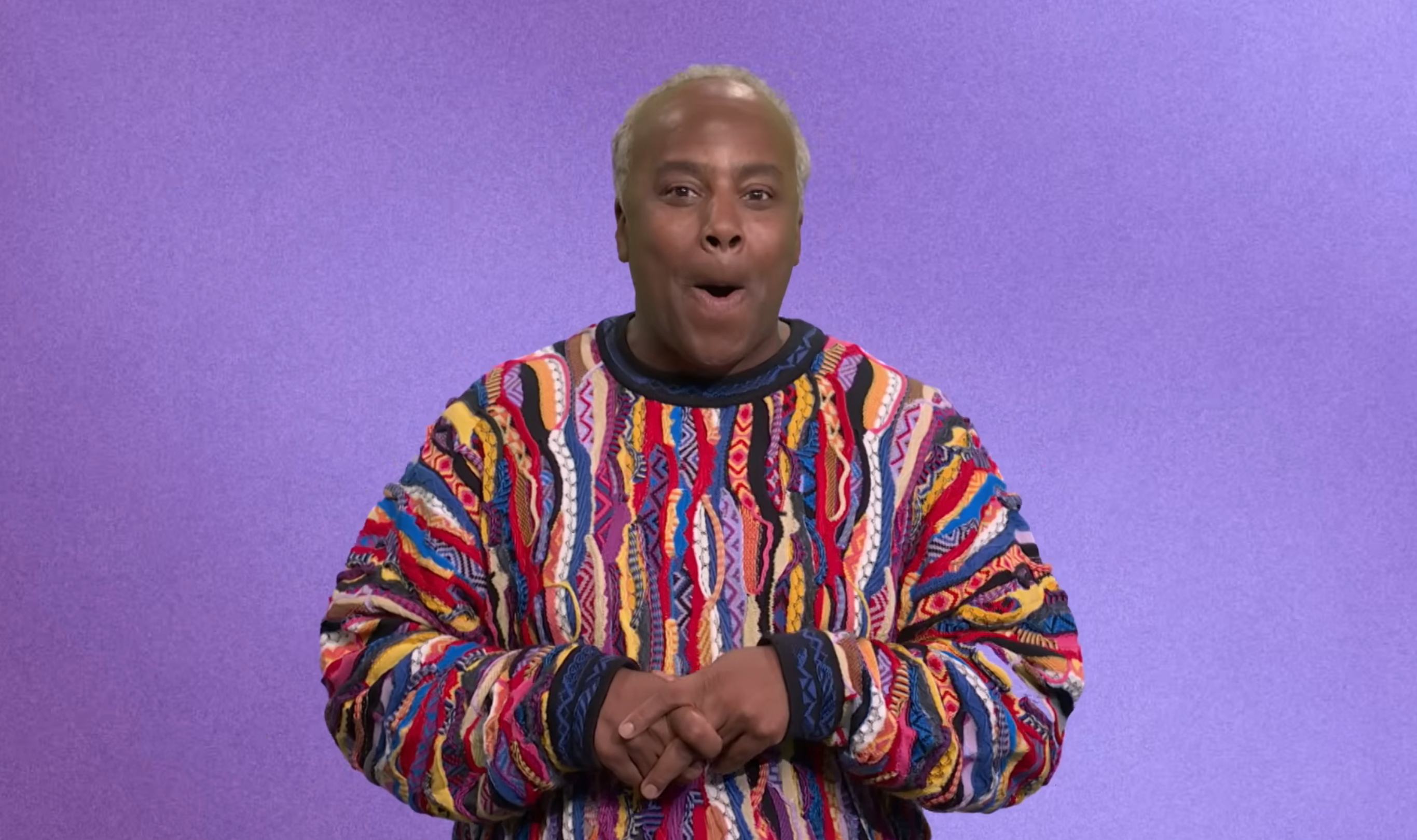
‘SNL’ star Kenan Thompson as Bill Cosby in the controversial Tourette’s sketch (NBC)
Its political viewpoint is also frequently undermined – by the regressive, ableist sketch about Tourette’s, for instance. Or last year’s snide and demeaning bit about The White Lotus actor Aimee Lou Wood’s teeth, which Wood herself called “mean and unfunny”. Or in its willingness to bring on objectionable guest hosts to goose ratings: Trump himself hosted the show in the build-up to the 2016 election, while Elon Musk fronted an excruciating episode in 2021. Comedian Shane Gillis was fired from the cast just days after being hired, following a scandal around resurfaced racist jokes – but that didn’t stop SNL from bringing him back as host on two occasions.
Over the past few years, SNL has attempted to revitalise itself, with some amount of success. Increasingly, it has found new cast members in emergent online content creators – performers like the eccentric Sarah Sherman, offbeat Gen-Z musical comedian Jane Wickline, or the trio Please Don’t Destroy, whose pre-recorded videos were surely the most consistently funny SNL strand of the past decade. The modern online era has in many ways been ideal for SNL: the ability to split each episode into individual videos gives the best skits the chance at being widely seen without obliging people to watch entire interminable episodes. But these are small positives amid an undeniable wider slump.
At this point, there is every indication that SNL UK is going about things the right way. The repertory cast are young and largely non-famous, the idea being that the SNL brand – and, of course, the celebrity guest host each episode – will be enough of a selling point. (Surely this is better than the alternative: when SNL UK was first announced, people had visions of a cast populated with the already-too-ubiquitous stalwarts of UK TV comedy, a smorgasbord of Josh Widdicombes and Greg Davieses.)
.png)
open image in gallery
Guest host Connor Storrie as Armie Hammer in the recent controversial sketch (NBC)
But if it truly wants to succeed, the new series will have to demonstrate a keener sense of tone than its American counterpart. There can be no room for the sort of blithe cruelty that’s brought SNL into the headlines this week – or, for that matter, the sort of toothless irrelevance that characterises so much of its output. If SNL UK doesn’t learn the right lessons from its beleaguered inspiration, this Saturday Night will be dead on arrival.
‘Saturday Night Live UK’ begins on Sky One and NOW on 21 March 2026