
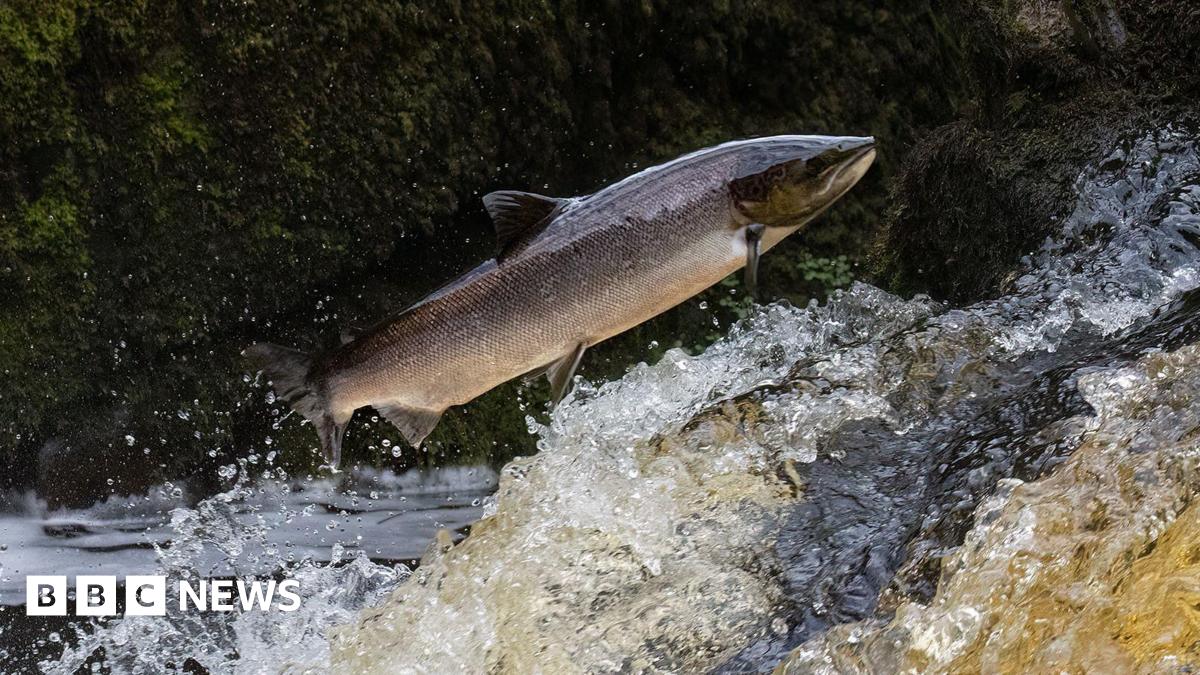
Although the 2025 rod catch of 6,957 is down on the previous year’s 9,947, the figure is the third highest over the past nine years.
A catch-and-release policy along with improvements to water quality and habitats have also helped stabilise salmon numbers along the 97-mile (160km) Tweed and its tributaries.
The Tweed Commission has also recently established a scientific advisory panel to provide independent advice on emerging evidence, marine survival trends and conservation priorities.
Jonathan Reddin, chief commissioner of the Tweed Commission, is delighted with the 2025 catches, and hopes science will keep the river in a prime position for salmon returning each year.
He said: “To hold our five-year average in a year of exceptional environmental pressure demonstrates the underlying resilience of the Tweed.
“However, stability should not be mistaken for long-term security.
“Atlantic salmon face significant pressures both in freshwater and at sea, and we must remain vigilant and science-led in our response.”