

The BBC children’s boss has criticised its rivals over an “alarming decline” in shows for younger audiences.
Patricia Hidalgo, director of children’s and education, said the sector was under strain as investment from the BBC, ITV, Channel 4 and Channel 5 fell by 40 per cent to below £80 million over the 14 years to 2024.
The amount of original content has halved to less than 400 hours over the same period.
• Bagpuss is back — these 9 classic kids’ shows deserve a reboot too
“British children’s content is at risk,” Hidalgo said. “Domestic commissioning has declined, global players are not investing in UK stories for UK kids and production companies face growing pressure.
“Without action, there is a real danger that the next generation will grow up without the culturally rooted, educationally rich and imaginative content they deserve.”
She added that shows such as Newsround also helped to tackle misinformation and fake news.

Patricia Hidalgo Reina is the BBC’s director of children’s and education
BBC
The broadcaster’s Socioeconomic Impact of Children’s and Education report found that the BBC was the most significant commissioner of original children’s content in the UK.
Shows including Hey Duggee, Horrible Histories and The Famous Five generated more than 2 billion iPlayer streams last year.
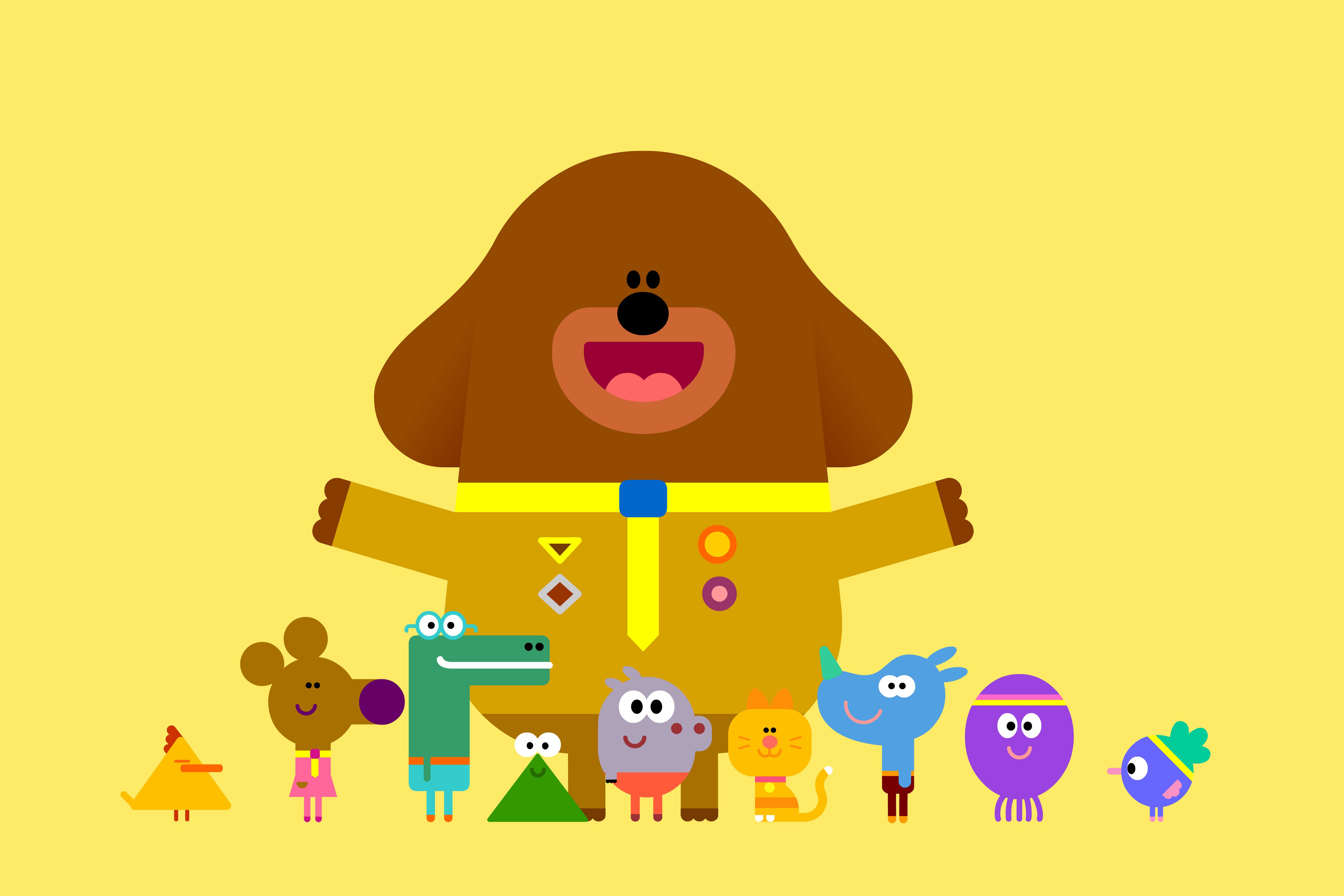
Hey Duggee is one of the BBC’s most popular shows, amassing more than 1.36 billion streams on iPlayer
However, its rivals were accused of turning their backs on younger audiences.
“Channel 4 haven’t commissioned a children’s show in decades; ITV has closed its children’s channel and recently stopped commissioning; and Channel 5’s output is smaller than the BBC’s and serves only the preschool segment of the audience,” the report said.
“With other UK broadcasters, such as Sky, also cutting commissions for children there is an alarming decline in UK-made children’s TV content.”
While more than 60 per cent of viewing among younger audiences takes place on video-sharing and streaming platforms such as YouTube, Netflix and Disney+, they were accused of failing to provide British stories.
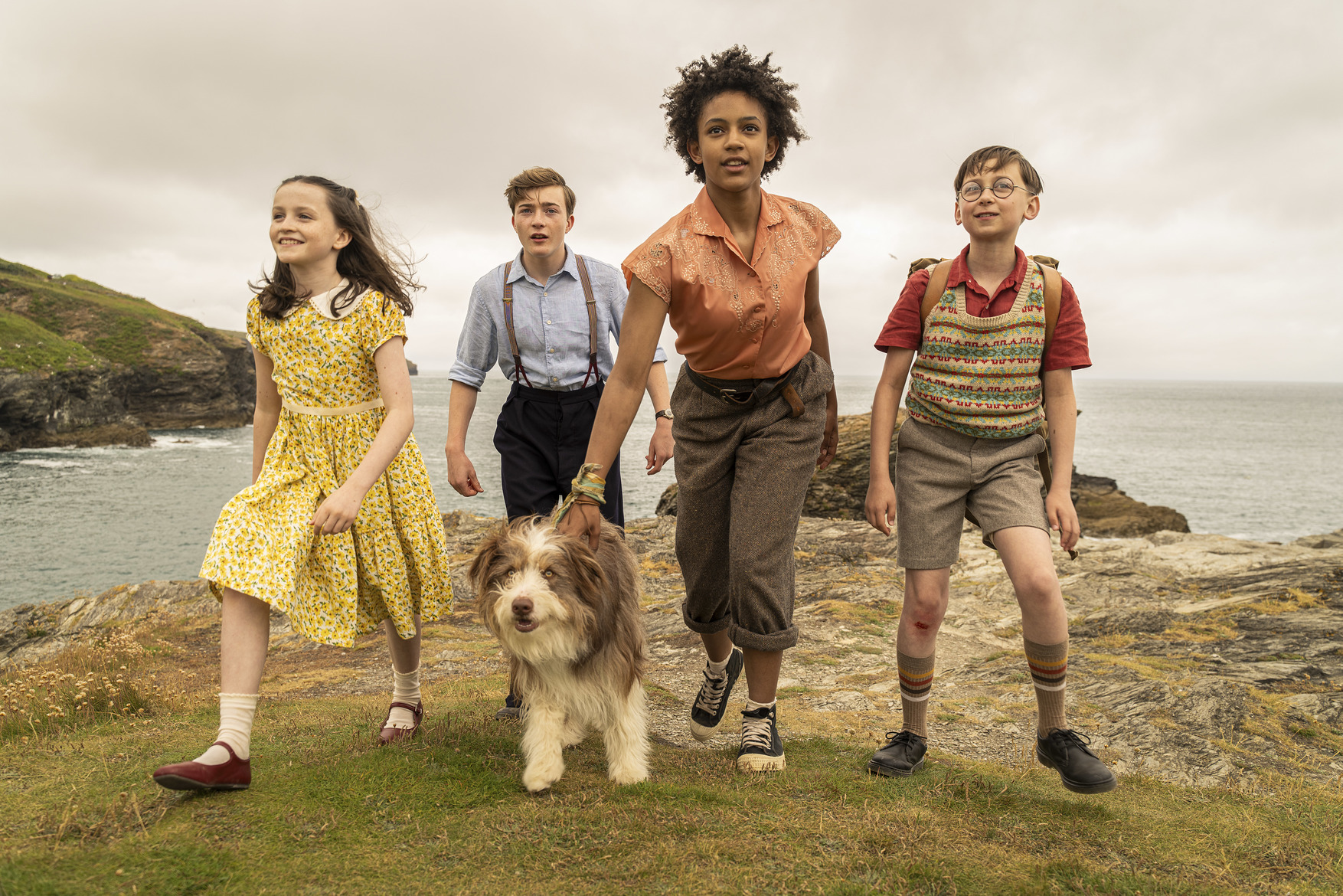
The BBC’s adaptation of Enid Blyton’s The Famous Five
BBC
The US giants produced only 12 hours of children’s TV content in the UK last year, according to the media regulator Ofcom.
“Streamers don’t see children as an acquisition audience, they see them as a retention audience,” Hidalgo told MPs on the culture, media and sport committee on Tuesday.
“If you’ve already got 5,000 hours [of children’s content] in your streaming service, you might think, ‘We don’t need to invest anymore’.”
She called for enhanced tax credits to support the sector and a requirement for businesses interested in attracting children’s audiences to “share responsibility and invest accordingly”.
Oli Hyatt, the producer behind the BBC’s hits Alphablocks and Numberblocks, agreed with the report’s conclusions but urged the BBC to also prioritise children’s programming.

He claimed that children’s programming had suffered proportionately greater cuts than other genres while the BBC grappled with inflationary costs and a real-terms decline in licence fee income.
“The BBC once spent a lot more on children and could do again, it’s a choice,” he said. “I’m asking for 5.45 per cent of the BBC’s total first-run UK-originated spend to be locked in for children. They account for 19 per cent of our population. I think that is reasonable.”
He called for the creation of a £40 million contestable children’s programming pot funded by the government or a levy.
Greg Childs, director of the Children’s Media Foundation, said social media giants must provide greater prominence to the BBC’s children’s content.
“The algorithms on YouTube and other platforms are set up to reward attention, not value,” he said. “They favour frequent posting and creating content that is designed to mesmerise young children through fast cutting and bright colours but does not stretch their imaginations.
“For older kids outrage, conflict, dispute are all favoured. Then the algorithm rewards the content by recommending it more often.
“As the audience migrates to YouTube, the connective power of public service content is constantly diluted, until it becomes irrelevant to an entire generation. And that’s not far away.”