
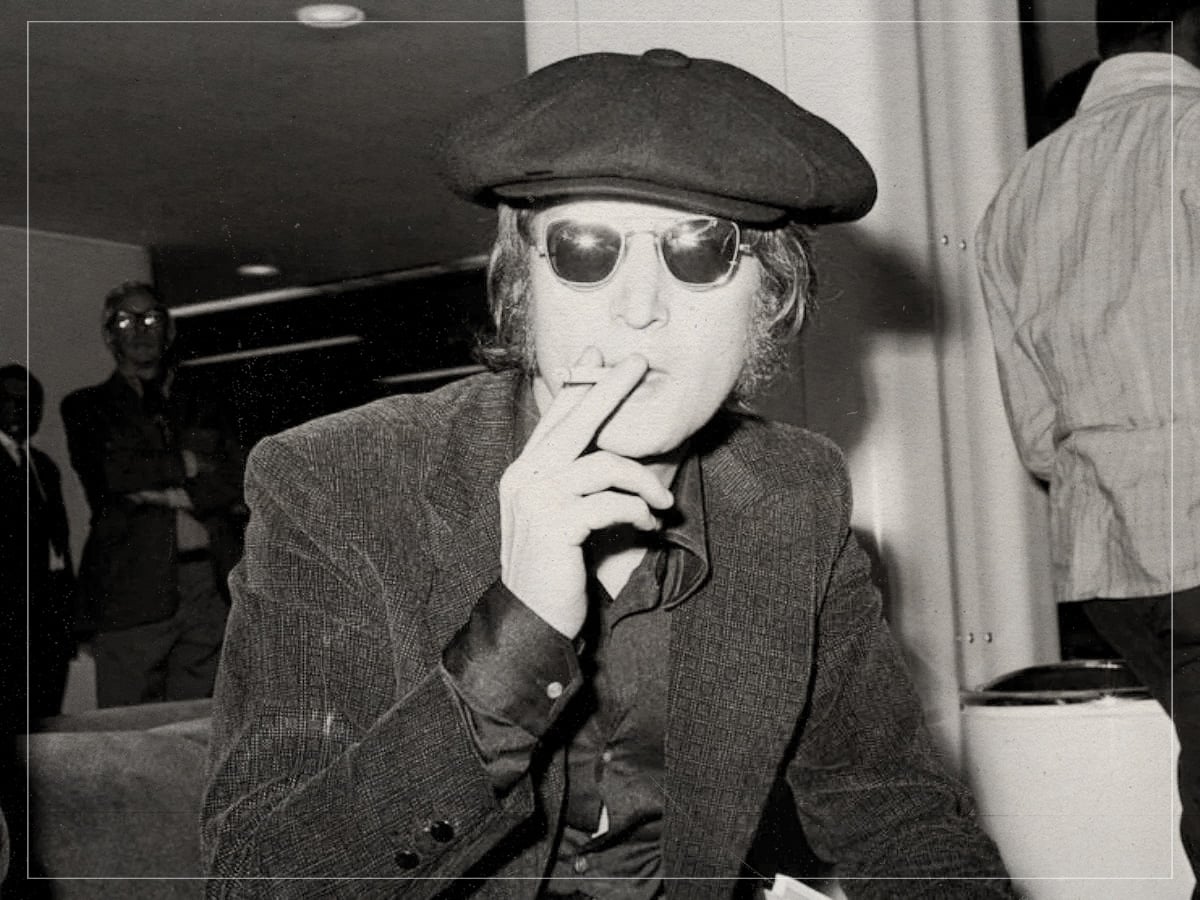
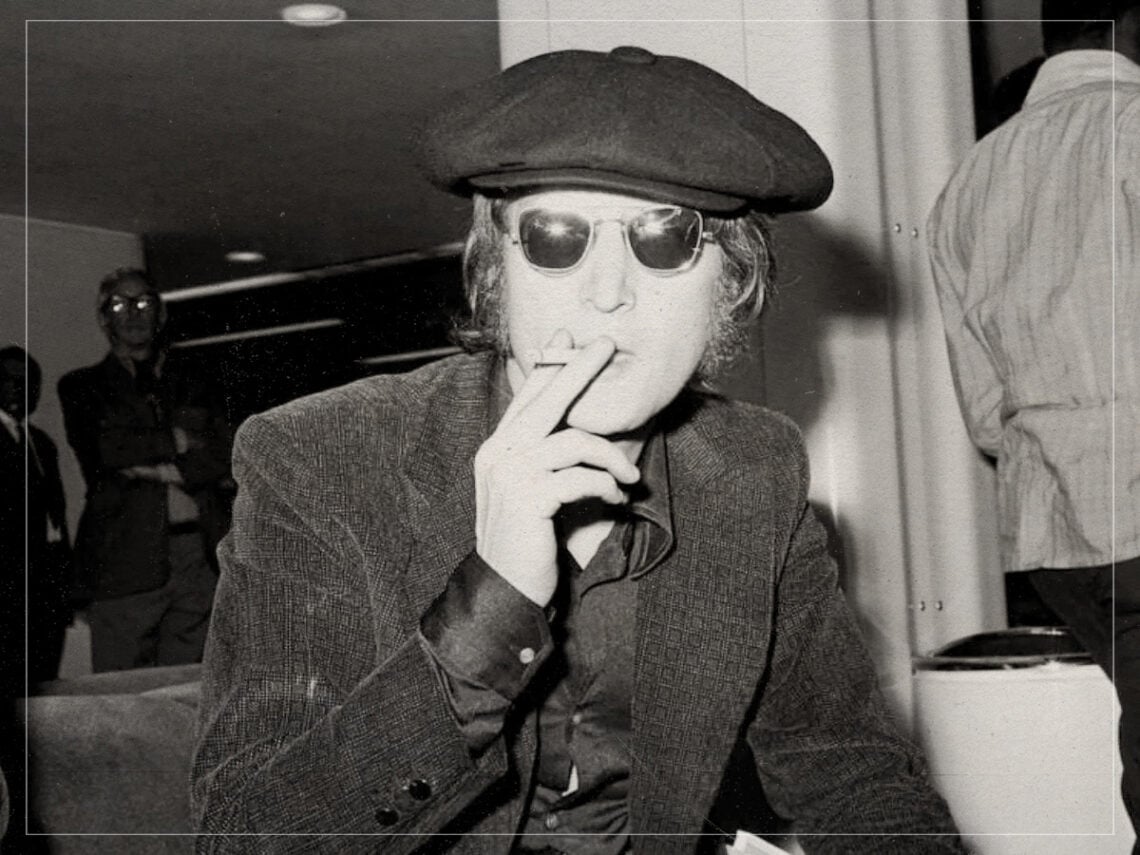
(Credits: Far Out / Alamy)
Tue 3 March 2026 18:00, UK
It’s hard to pinpoint exactly the moment that spelt the beginning of the end for The Beatles.
We all know when roughly the rot began to creep in. An essential chapter of Fab Four lore, as soon as the Summer of Love’s psychedelic dress-up had run its course, The Beatles entered 1968’s eponymous double LP sessions in a vastly different individual headspace and creative fracture than had ever struck The Beatles unit yet.
In the case of John Lennon, Paul McCartney, and George Harrison, they’d been playing together as early as 1957, playing local skiffle and rock and roll as teens in the Liverpool area. A minor lifetime had already been had before Ringo Starr’s recruitment on drums and ‘Love Me Do’ was first unleashed to the world, cutting their teeth at the centre of the Merseybeat scene with countless local shows and Hamburg club dates under their belts, as well as respectable backing band credits for Tony Sheridan and Johnny Gentle.
Through the global frenzy of Beatlemania a few short years later, to titans of the counterculture by the 1960s’ end, at some point, the little Merseybeat band that conquered the world had to come to a close. Band fatigue, artistic splits, beckoning pastures beyond Fab, and simmering business disputes all hovered over the fraught album sessions and doomed Let It Be film venture across The Beatles’ final dwindling years.
While Harrison infamously declared he’d see his Beatles “round the clubs” when first announcing his departure early in 1969 in the miserable Twickenham Film Studios, it was Lennon who’d practically already left the band. Romantically and creatively partnered with Yoko Ono and eyeing up a new era of radicalism in the political sphere along with his restless artistry, Lennon knew The Beatles’ gig was up and was eager to spread his wings, privately informing the band of his intentions to leave days before Abbey Road’s drop late September.
The Beatles’ unravelling is a well-told Fab narrative, but when did the tide turn? According to Lennon, the pivotal moment struck once their longtime manager Brian Epstein died suddenly in August 1967. “After Brian died, we collapsed,” he confessed to Rolling Stone in 1970. “Paul took over and supposedly led us. But what is leading us, when we went round in circles? We broke up then. That was the disintegration.”
“The Beatles broke up after Brian died; we made the double album, the set,” Lennon furthered, touching on the band’s slow dissolution and creative disunity that crept in following Epstein’s death. “It’s like if you took each track off it and made it all mine and all George’s. It’s like I told you many times, it was just me and a backing group, Paul and a backing group, and I enjoyed it. We broke up then.”
Epstein had served as a crucial linchpin for The Beatles’ rise. Managing the band from the get-go, Epstein’s managerial expertise landed national appeal, a marketable image, and tidy record deals, pulling the group away from Merseybeat to usher in the era’s British invasion.
Yet, as the counterculture began to colour their work across 1966-1967, Epstein’s managerial control of the band began to wane. The Beatles lost to the wonders of Transcendental Meditation and LSD and began to steer the unit away from Epstein’s impresario vision. With eerie timing amid The Beatles’ psychedelic adventures, Epstein was found dead in his East Sussex home during the Magical Mystery Tour sessions, having overdosed on sleeping pills.
New business plans with Allen Klein that would dog the band for years, as well as McCartney’s good faith but clumsy efforts to creatively captain the sinking ship, all saw The Beatles’ eventual crumble in 1970. Lennon would be the last signatory to the band’s official contractual end in 1974, somewhat cynically adding his name to the paperwork in Florida’s Walt Disney World resort.
The Far Out Beatles Newsletter
All the latest stories about The Beatles from the independent voice of culture.
Straight to your inbox.