
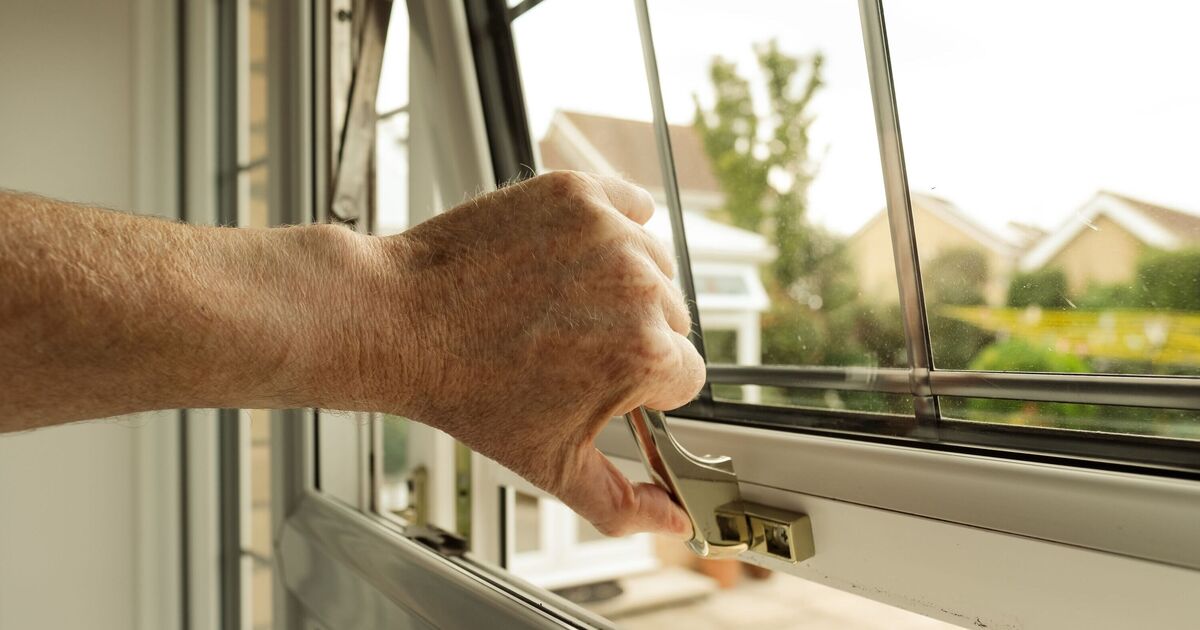
Keeping windows and doors closed during certain hours of the day can help reduce hay fever symptoms (Image: Getty)
Households across the UK are being urged to keep their windows and doors shut as much as possible now that meteorological spring has arrived, but particularly between the hours of 10am and 3pm.
The start of spring coincides with the beginning of hay fever season, which typically gets underway in late March and lasts until September. But the UK Health Security Agency (UKHSA) warned this week that pollen and other allergens could be released earlier than usual and for longer periods thanks to a warming climate, meaning hay fever could be triggered as early in the year as January or February.
The pollen season in the UK is traditionally split into three distinct, but overlapping, phases. The first runs from March to May with the release of tree pollen, the second is the release of grass pollen from mid-May to July, and the third and final phase is the release of weed pollen from around July to September.
Read More: Garden lawns will grow back thicker if one March ‘rule’ is followed
Read More: Garden flowerbeds will thrive in spring if 1 task is completed now
But pollen levels are very much dependent on weather conditions, with warmer temperatures causing more pollen to be produced, and with increasing temperatures, research suggests oak and grass pollen seasons may start even earlier.
The UKHSA said: “Hay fever is already common during the spring and summer months, but our changing climate could see some symptoms starting earlier in the year for allergy sufferers across the UK.
“Recent studies suggest that some types of pollen and other allergens could be released earlier in the year and for longer durations as temperatures rise. For some types of pollen, this may mean levels high enough to trigger hay fever as early in the year as January or February.”
Unfortunately, there is no cure for hay fever, so it is best managed through preventative measures. One of the best ways to minimise symptoms is simply by keeping your windows and doors shut as this prevents pollen from blowing into your home and clinging to your furnishings, which can worsen symptoms indoors.
While NHS advice recommends keeping windows and doors shut “as much as possible” if you are keen to let a bit of fresh air into your home during the day, then you should try to limit this to certain hours.
According to experts, doors and windows should be kept shut between 10am and 3pm – especially if it’s windy – as this is when the pollen count is usually at its highest, so you’ll be maximising your exposure during these hours.
*** Ensure our latest news headlines always appear at the top of your Google Search by making us a Preferred Source. Click here to activate or add us as Preferred Source in your Google search settings. ***
Glen Peskett, DIY expert at Saxton Blades, said: “It’s important to get fresh air, and when the weather begins to improve, it’s even more tempting to open your home up to the warmer elements.
“However, during peak pollen times – usually between 10 am and 3 pm, and on windy days – it’s extremely beneficial to keep your windows and doors shut. This is especially important in bedrooms, where you want to breathe easy at night.”
The start of the hay fever season can also depend on where you live in the UK, with those based in the north tending to see a later start and a shorter season as there’s generally less pollen than in the south. Urban areas will also have a lower pollen count than in the countryside, and inland areas have higher levels than on the coast.
Hay fever symptoms occur when the pollen count (the number of pollen grains in one cubic metre of air) exceeds 50 and this will generally be worse in the early evening when the count is at its highest.