
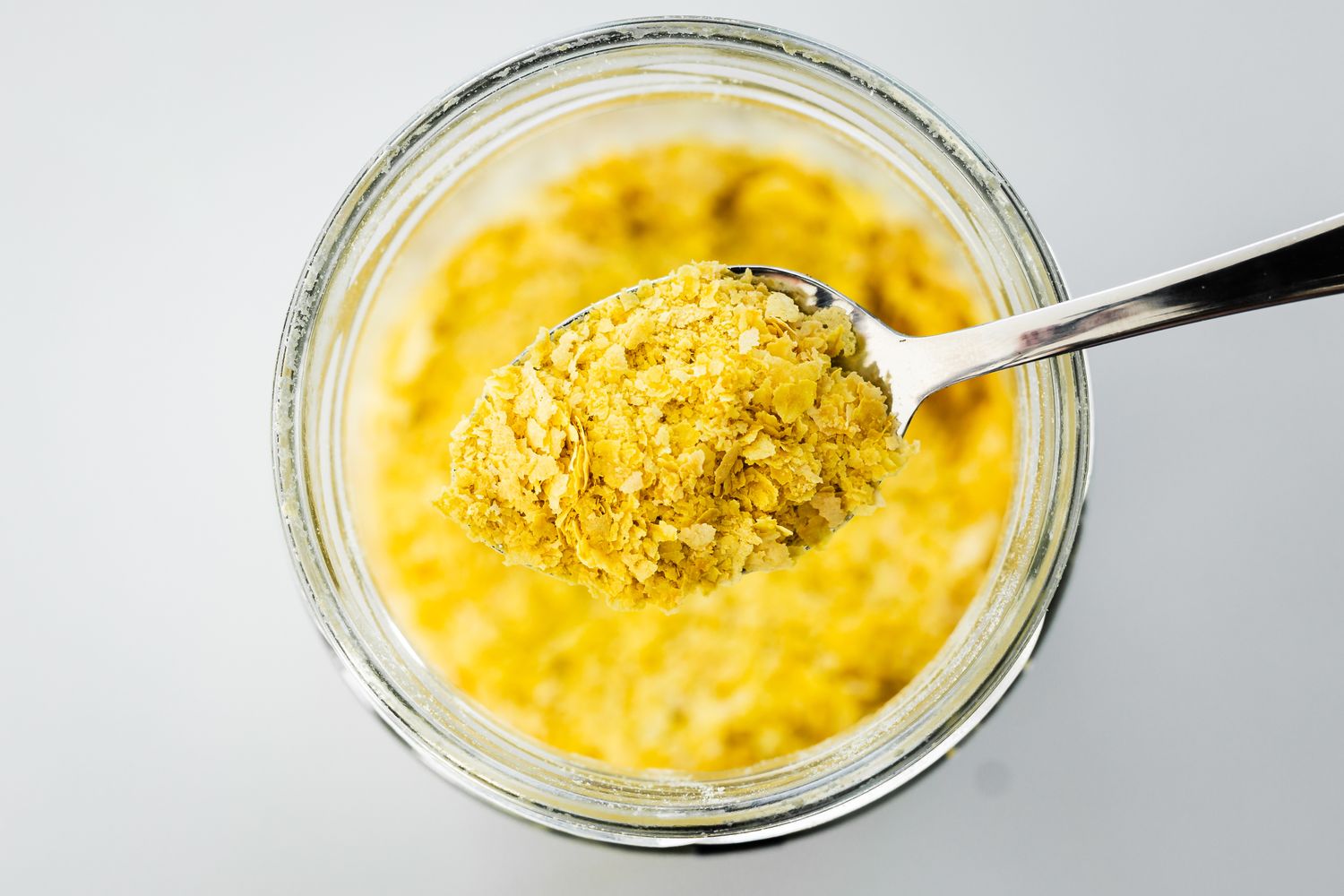
Nutritional yeast is a flaky, cheese-like condiment popular with people following plant-based diets since it contains vitamin B12, which is naturally found only in animal products.
We asked Jamie Mok, MS, RD, RYT, a Los Angeles-based registered dietitian and spokesperson for the Academy of Nutrition and Dietetics, how nutritional yeast supports health and if all vegetarians and vegans should include it in their diets.
*This interview has been edited and condensed for clarity.
Q: What is nutritional yeast used for?
Mok: Nutritional yeast, or nooch, is a popular food additive that’s known for its cheesy or umami-rich flavor. It is usually yellow and comes in flakes, granules, or even a fine powder. Unlike brewer’s yeast, which is activated, nutritional yeast is a deactivated or inactive strain of the fungus Saccharomyces cerevisiae.
It’s a staple in many plant-based recipes and is often used as a seasoning on foods like popcorn, pasta, and salads. You can also use it to make sauces, such as for a vegan macaroni and cheese.
Only fortified nutritional yeast contains B12, because it’s added during the fortification process. You can buy non-fortified nutritional yeast as well, but that would contain fewer B vitamins than you would get in the fortified versions.
If you don’t see it on the nutrition facts label, look at the ingredients to see if additional B vitamins were added to the nutritional yeast.
Nutritional yeast also contains all nine essential amino acids, so it’s a “complete protein.” Common brands have about 5-6 grams of protein per 2 tablespoons of nutritional yeast. Nutritional yeast also contains fiber and some trace minerals, mostly small amounts of iron and potassium.
You will get the protein and fiber, whether or not it is fortified, because, unlike B12, these are not added during the fortification process.
Q: Do all vegans or vegetarians need nutritional yeast in their diet?
Mok: B12 is often lacking in vegetarian and vegan diets because it’s only found in animal products.
While fortified nutritional yeast provides B12 and is a good addition to a vegetarian diet, fortification levels vary widely across brands. Because of this inconsistency, it’s not something I’d necessarily recommend relying on as a primary supplement to fill nutritional gaps for vegetarians or vegans.
If you’re looking to prevent or fix a nutrient deficiency, it’s best to do so under the guidance of a healthcare professional, including a registered dietitian. They can perform a formal nutrition assessment and determine safe and effective dosages tailored to your needs.
Q: How much nutritional yeast should people eat per day?
Mok: Two tablespoons is generally considered safe for most people. Review the nutritional yeast’s nutrition facts label and ingredients list for fortification amounts and consider other supplements you are taking.
Niacin (vitamin B3) can cause flushing, redness, or itchy skin in very high amounts. Bear that in mind if you are taking an additional niacin supplement and eating a ton of nutritional yeast.
If you’re consuming a lot of nutritional yeast, especially with other supplements to support a vegetarian or vegan diet, just make sure you’re not overdoing it. Consider speaking with a trusted healthcare provider about your health history and your current regimen of supplements, medications, and fortified foods.

Thanks for your feedback!
What is your feedback?
Helpful
Report an Error
Other