
(Credits: Ирина Лепнёва)
Thu 5 March 2026 0:00, UK
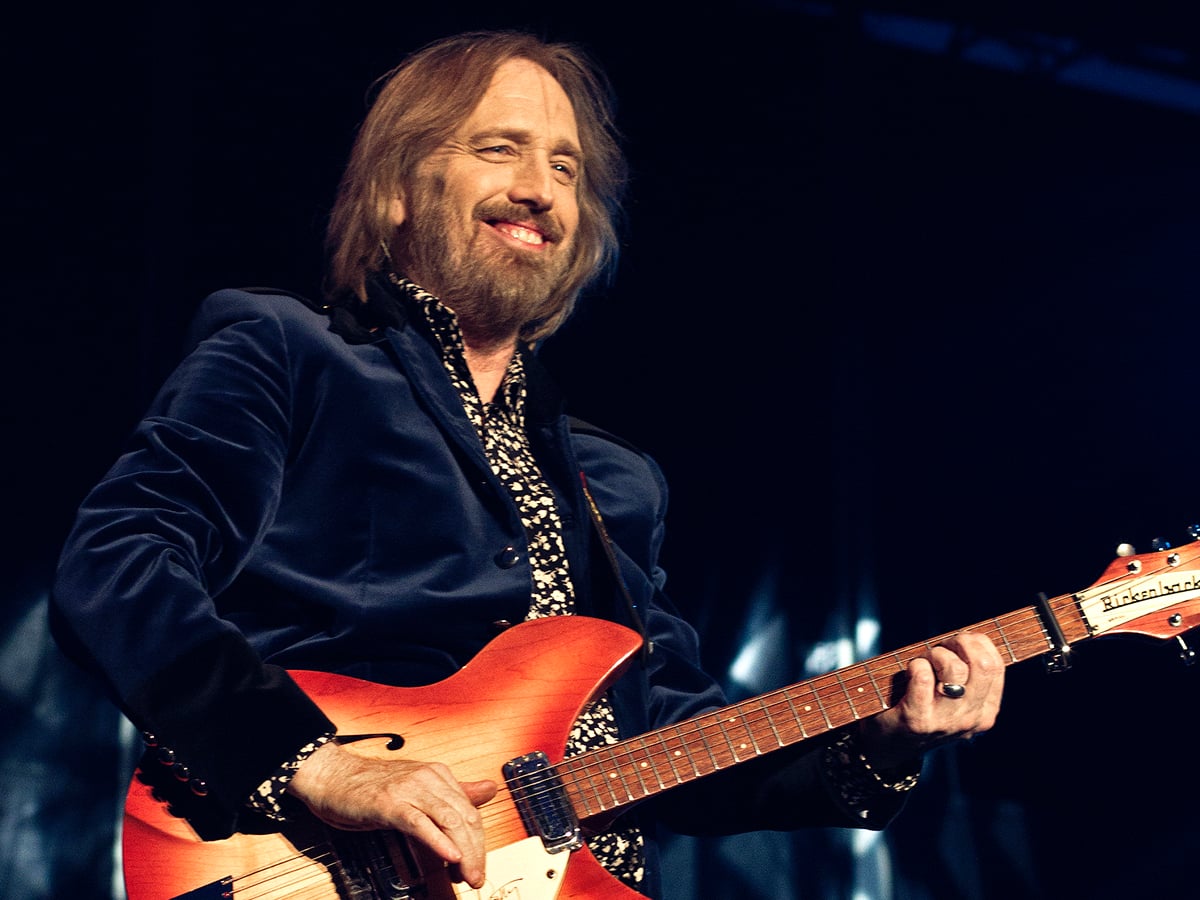
It took a lot more than a couple of good tunes for Tom Petty and the Heartbreakers to become legends of rock and roll.
Not everything they played was the hardest thing in the world, but the one thing that you can’t fake in this industry is chemistry, and all of them seemed to have a sixth sense for where the other was going to go half the time. But over time, Petty himself realised that there were some musicians that he was supposed to hold onto for the rest of his life when he heard them for the first time.
That kind of chemistry isn’t something that happens overnight, either. Half of the Heartbreakers had already begun hashing things out in Mudcrutch, and while the band flopped before they even had an album out, Petty understood what Mike Campbell was bringing to the table. This was someone who could throw down any kind of lead guitar lick that he wanted to hear, and even when working on some of the band’s greatest albums, Campbell’s riffs were often the spine to songs like ‘Refugee’.
The same could be said for Benmont Tench behind the keyboards. Outside of Petty’s voice, the real ‘heart’ of the Heartbreakers came from how the piano and the guitars worked off each other, and Tench has often talked about having those moments in the studio where he felt like he was almost floating over top of the music when they were all in the zone. But not everyone is exactly cut out for a job in this kind of industry, either.
For starters, Stan Lynch was already more than a little bit perturbed about Jimmy Iovine getting on his ass about how the drums should sound on Damn the Torpedoes. He was always at odds with the rest of the band before he eventually got fired, but they understood that it was about more than a few petty arguments. They were still brothers, but in an industry that is more than a little bit cutthroat, Ron Blair wasn’t really looking to play the game for much longer after they got famous.
So when he decided to leave, Petty felt it was practically a godsend for him to get someone like Howie Epstein in the band. The bassist had already made some of the best records of Del Shannon’s later career, but aside from playing anything that he could get his hands on, it was his high harmony that really made everything work when the band got back into the studio to work on records like Long After Dark.
Things weren’t always great with Epstein, but even when he struggled with heroin addiction towards the end of his life, Petty felt that there was nothing that was out of his grasp when he started playing, saying, “Any stringed instrument Howie picked up, he could play great. And he had such an understanding of harmony. He knew every Byrds songs – he even knew the ones you weren’t supposed to know. And he was a great producer – The Missing Years, for John Prine, was incredible. He had so much going on, which makes it all the more a shame. The thing is, Howie never played bad, but then he’d fall apart as soon as the show was over.”
But even when he was playing everything correctly, it’s hard to look at the final years of his life and not feel a little bit sad at how far he had fallen. ‘Swingin’ is one of his final great moments in the group, but since he was too dopesick to even turn up for the album cover shot, it already seemed like he had one foot out the door before anyone could realise how serious things had become.
While Blair returning on bass did help carry the Heartbreakers through a few more years before Petty’s passing, the frontman did consider Epstein’s death to be one of the true tragedies of the band’s story. He was one of the finest musicians that he had ever worked with, and no matter how frustrating it got towards the end of his life, there was always a magic to the way that their voices blended together.