
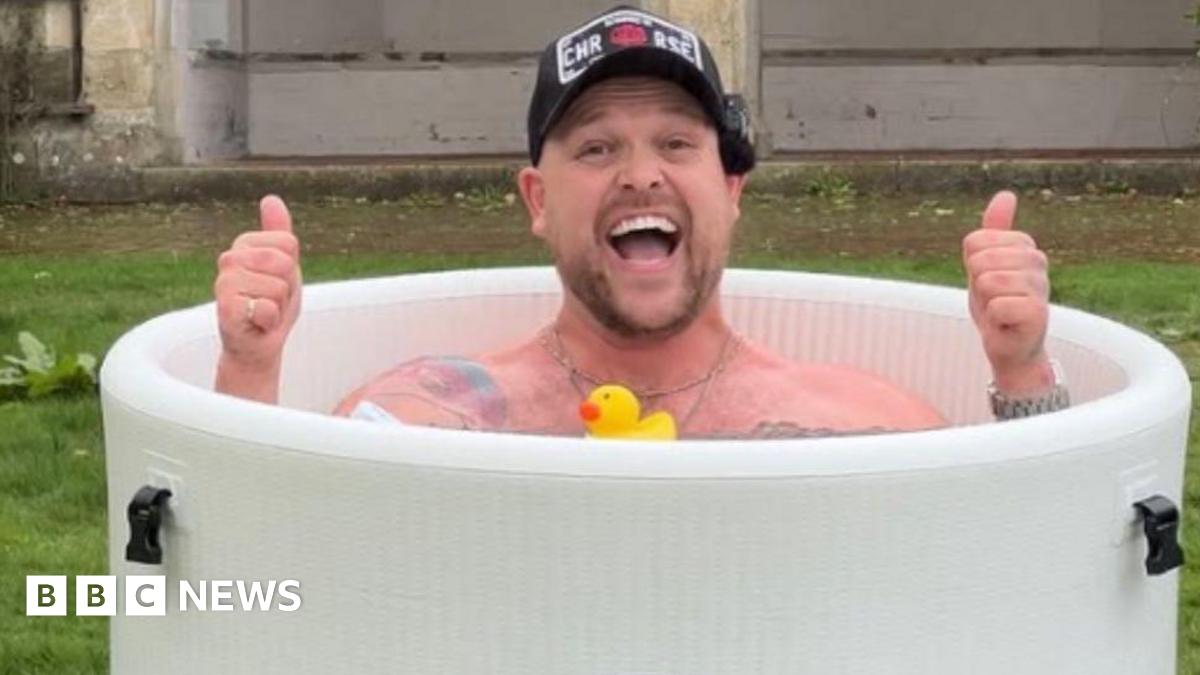
Prof Mike Tipton, from the University of Portsmouth, has studied cold water immersion for more than 30 years and said the “rush” or “euphoria” people like Harry felt came from a surge of stress hormones as the body reacted to the cold.
He said proving the exact health benefits had “not been easy”, and that dangerous changes to breathing and circulation could occur in the first minutes of immersion.
The professor added that medical checks were essential because the therapy could be dangerous.
Counsellor and psychotherapist Paula Marshall-Smith, based in Petersfield, said recovering from addiction was “deeply personal”.
She said that what works for one individual may not work for another and “many people find their pathway through a process of trial and exploration”.
She said: “Cold water immersion can have measurable effects on the body and mind.
“Particularly those recovering from addiction – this may provide a healthier way to experience intensity, regulate mood, and reconnect with their bodies.
“However, it is not without risks – such as hypothermia, cardiac stress and shock responses.
“Experimental approaches like cold water therapy may form part of a broader recovery toolkit, but they are rarely sufficient on their own.”