
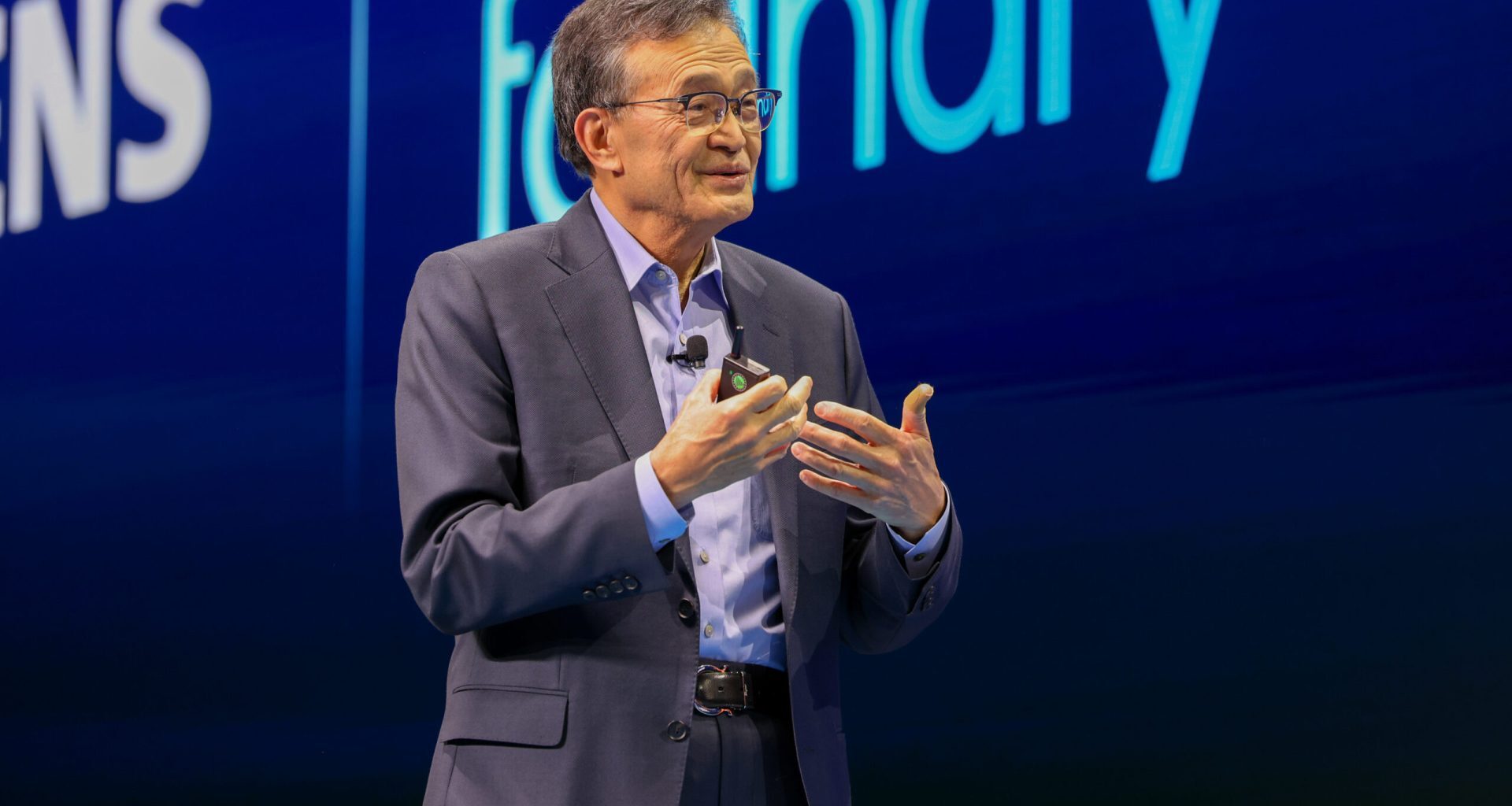
Intel’s CFO, David Zinsner, took the stage at the Morgan Stanley conference, and based on his comments on the foundry front, Team Blue looks a lot more confident about division breakeven.
Intel’s 18A-P & 14A Will Prove to Be Effective Solutions For External Customers; Packaging To Bring ‘Billions’ In Revenue
Under CEO Lip-Bu Tan, Intel has been entering the foundry market at a time when the AI frenzy significantly drives customer demand. One of the more significant achievements under Tan was the successful ramp-up of Panther Lake, and according to Zinsner, 18A has delivered on expectations, with yield rates improving steadily as production lines mature. Intel’s CFO also revealed that they expect customer commitments for the 18A lineup, including the 18A-P derivative, which we know is being explored by Apple and NVIDIA.
Panther Lake as a part has been well received, obviously, particularly around battery life in particular. We have more demand than we have supply on Panther Lake.
So that would also help a lot in terms of margin. Now, obviously, you know, we’re in the really early innings of 18A ramping in the fab. But as we progress through this year, certainly as we go into next year, those margins get better and better, which will also help.
 Intel’s Panther Lake die shot | Image Credits: Intel
Initially, it was presumed that Intel didn’t expect customer adoption of its 18A lineup and would instead position 14A as an external offering. However, according to Zinsner, there’s also interest in 18A-P, which means external commitments could come much sooner. 18A-P allows customers to fine-tune their offerings by power rating, and it is anticipated that Apple would be a major customer for the process, potentially adopting it for its M-series SoCs.
I think he’s now starting to recognize that this is actually a good node to offer to external customers as well. And we’ve been getting some, you know, kind of inbound interest in 18A-P as a foundry node. So that’s great to see that progress.
The more interesting aspect of Zinsner’s talk was around the 14A process, because reports have stated that 14A could face production delays, with the risk that production commences by 2028. However, Intel’s CFO reiterated that the company is aligned with its original roadmap, with 14A seeing risk production by 2027 and volume production by 2029. Intel is still cautious in its investment approach with 14A, weighing customer engagements and internal demand before deploying CapEX into production lines.
The engagements have been good. So I think we’re cautiously optimistic that this will be a successful. Now, we also have internal demand on 14A.
And the timing has always sort of been risk production 28, volume 29. I know there was some confusion maybe around the call, but that’s still the case. That’s still the case. Now, that’s more a function of what customers want. For our internal demand there, we have the ability to go risk production in 27, which is likely what we’re going to do. So I guess if a customer wanted to do that at the same time frame, we could do that. And risk production can have useful output.
 Intel’s 18A wafer | Image Credits: Intel
Another revenue front opening up for Intel is advanced packaging commitments, as Intel’s CFO says they are now expecting customer adoption worth ‘billions in revenue’ that could materialize as soon as the second half of this year. Intel’s EMIB and EMIB-T solutions are attracting interest from several fabless manufacturers, with talks underway with Apple, NVIDIA, Qualcomm, and other customers. There have been rumors that NVIDIA will adopt EMIB for its Feynman chips as well, and we could see an announcement as soon as GTC 2026.
So originally when I was thinking about it [packaging business] and talking to investors, I was calibrating everybody to think about these wins in the hundreds of millions versus weaker wins, which would be in the billions. That’s the way you should think about it. And I’ve since revised that because we’re actually at the close to closing some deals that are in the billions of dollars per year in terms of revenue on packaging.
With the above wafer and packaging prospects, Intel now expects operating revenue to break even by 2027, provided customer interest materializes into actual orders. Gross margins have been a concern for Intel Foundry for several quarters now, but with yield rates improving and demand for mature nodes increasing, Team Blue expects its foundry division to get back on track soon.
Follow Wccftech on Google to get more of our news coverage in your feeds.