
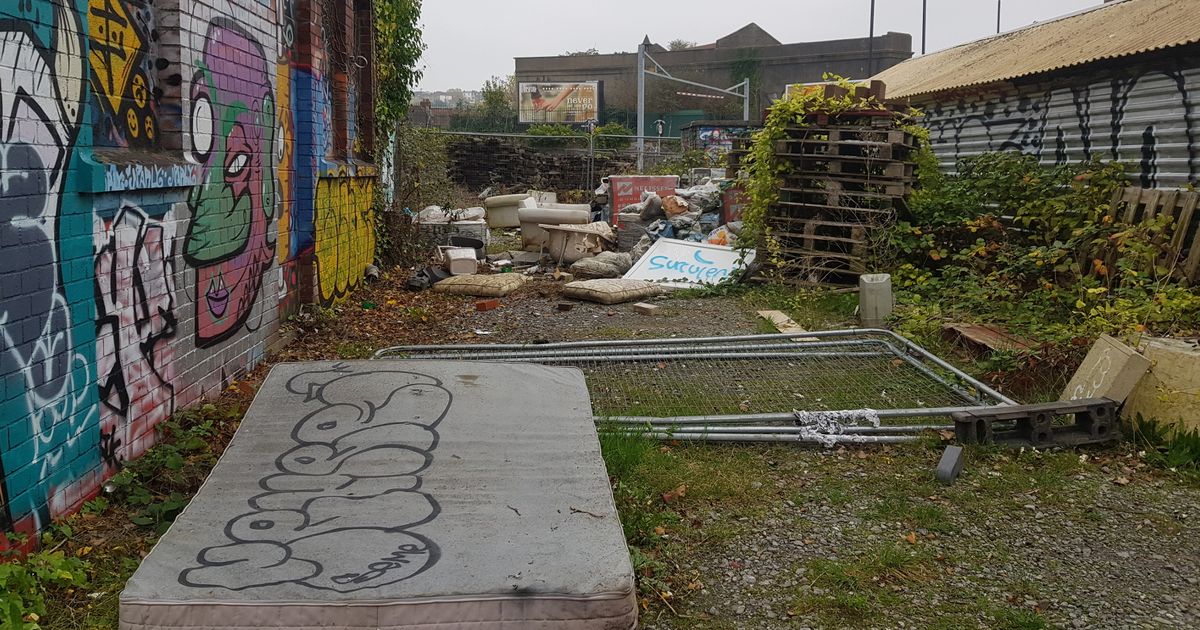
Five new mobile cameras used to catch fly-tippers would be too expensive to maintain and connect to the internet so they have been ruled out. Fly-tipping is blighting many parts of Bristol and councillors voted last year to invest in new cameras, but now these won’t actually be bought.
Littering fines were due to increase too, by £100, after Bristol City Council passed a motion put forward by Labour in March last year. Instead these will only be increased by £25. The motion called for a range of actions to clamp down on fly-tipping.
An update on the work since Labour’s motion was given to the environment policy committee on Thursday, February 26. Councillors voted to scrap the plan for the five new cameras and slightly raise littering fines. Labour criticised the decision and said the cameras were needed.
Green Councillor Martin Fodor, committee chair, said: “I know it’s taken a while but I think we’ve got something that’s been well worth waiting for. This year we’ve put money in the budget to tackle some of these things, like more fly-tipping clearances, enforcement and monitoring.”
The service has made progress in data quality, with upgrades to the Fix My Street tool and identifying hotspots. Local residents can flag problems such as fly-tipping, potholes or a broken manhole cover on the Fix My Street website, which then sends the locations to council staff. An extra fly-tip collection round is being launched too.
However there have been “operational constraints” holding back progress on fly-tipping. Investing in new CCTV cameras to monitor hotspots was “not necessarily required at this stage”, according to Peter Andersen, the council’s director of property, assets and infrastructure.
Five new mobile cameras was one of several requests called for by Labour councillors in their motion, costing £150,000. However then the council would have to spend around £14,000 a year maintaining each camera and using 4G. Instead the council is hiring extra staff to monitor existing cameras, which was more financially sustainable, the director added.
Another request was hiking the fines for people caught littering from £150 to £250, but evidence from other councils suggested this “would reduce payment rates”. Higher fines tend to face more challenges in court than smaller ones, and the council does not get the income from fines imposed by the court.
Many defendants struggle to pay, and end up on a repayment plan or eventually not paying the fine. And pursuing fines through the courts is expensive for the council. Instead littering fines will increase to £175, with an early repayment rate of £100.
Labour Cllr Kye Dudd said: “I’ve got a bit of concern with the democracy around this. There was a resolution of council not so long ago to put the littering fines up to the maximum — and that’s not happened here. Surely we’re in charge of the policy of the council, not officers? Is it even worth us turning up if we carry resolutions, and it’s not followed?”
Cllr Fodor said the committee should “listen to the professionals” and heed their warning on hiking the fines. New guidance issued by the government last month urged councils to crack down on organised criminals who receive payments to dump rubbish somewhere. This said that when councils catch waste criminals, they should seize and destroy their vehicles.
Ken Lawson, the council’s head of waste, said: “One thing the team reported today is that they have seized a fly-tipper with the police and his vehicle. So we’re actively undertaking that sort of work. But it’s not all big fly-tipping. Fly-tipping is someone putting waste on the street, or a tire, or anything that shouldn’t be there.”
When hiring a trader to remove waste, such as old sofas, people can check if they are licensed by an official body. The Environment Agency has an online public register of waste carrier licence holders. This helps to prevent fly-tipping, while people caught hiring an unlicensed waste carrier can be hit with heavy fines.
How much progress the council has made was called into question. There is still a major problem with fly-tipping on land owned by the council’s housing department, like next to blocks of council flats, which often takes a long time to clear up, attracting more rubbish in the meantime. And some hotspots are not covered by CCTV cameras, despite their infamy.
Conservative Cllr Mark Weston said: “I wouldn’t say that we were that successful because fly-tipping is still blighting us everywhere. It’s the same areas in my ward that get fly-tipped all the time and I’ve never seen a camera try and catch it. I can list you the half a dozen places that get hit again and again and again. We clear them and they get hit again and again and again.”
Liberal Democrat Cllr Tim Kent added: “One of the problems the country faces is the small fines we’re allowed to impose on fly-tippers. The national maximum is £1,000 and if they pay quickly that’s discounted to £500. But if you’re a commercial fly-tipper, you make that every day. If we catch them and we only fine them £1,000 or £500, that’s still not a deterrent.”