
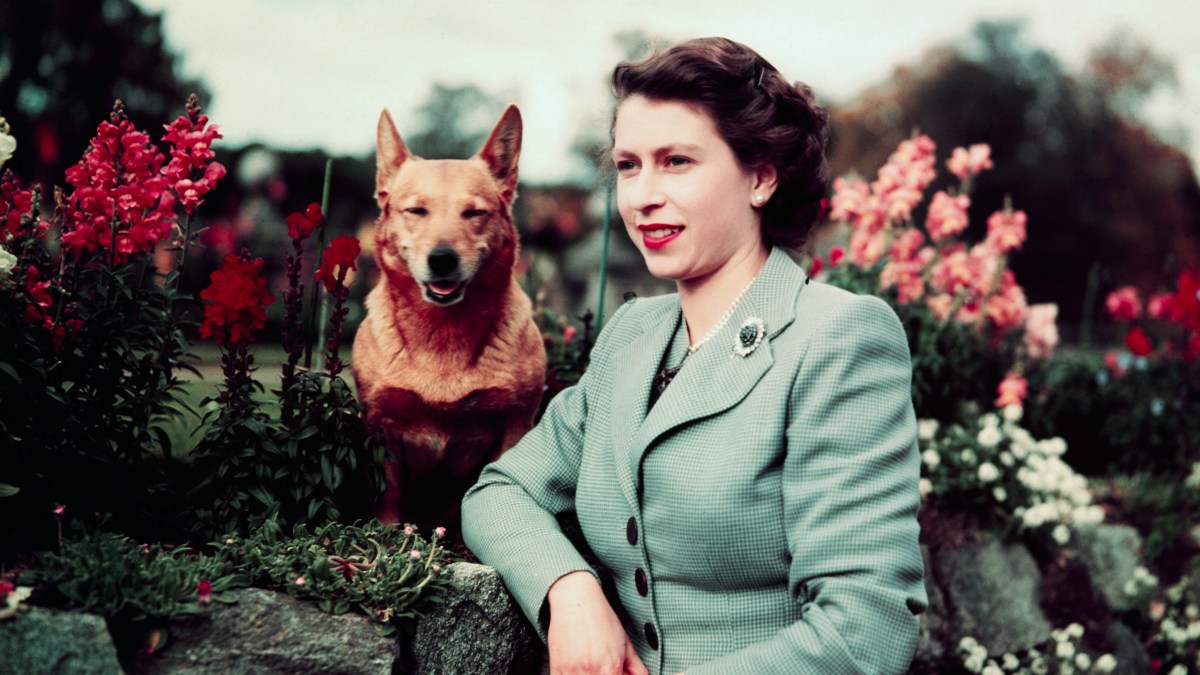
The late Queen’s favourite dog, the corgi, could be banned if new breeding guidelines set by parliament become mandatory, campaigners have warned.
A new tool to determine whether a dog is healthy has been launched by the all-party parliamentary group for animal welfare to drive out the breeding of dogs with extreme characteristics such as short noses, flat faces and shortened legs.
The innate health assessment, a ten-point appearance-based checklist, is designed to remove unhealthy breeds after studies showed they can from birth suffer pain, discomfort and frustration. The list of extreme characteristics includes mottled colouration, excessive skin folds, bulging outward-turning eyes, drooping eyelids, under or overbite and a muzzle that disrupts breathing.
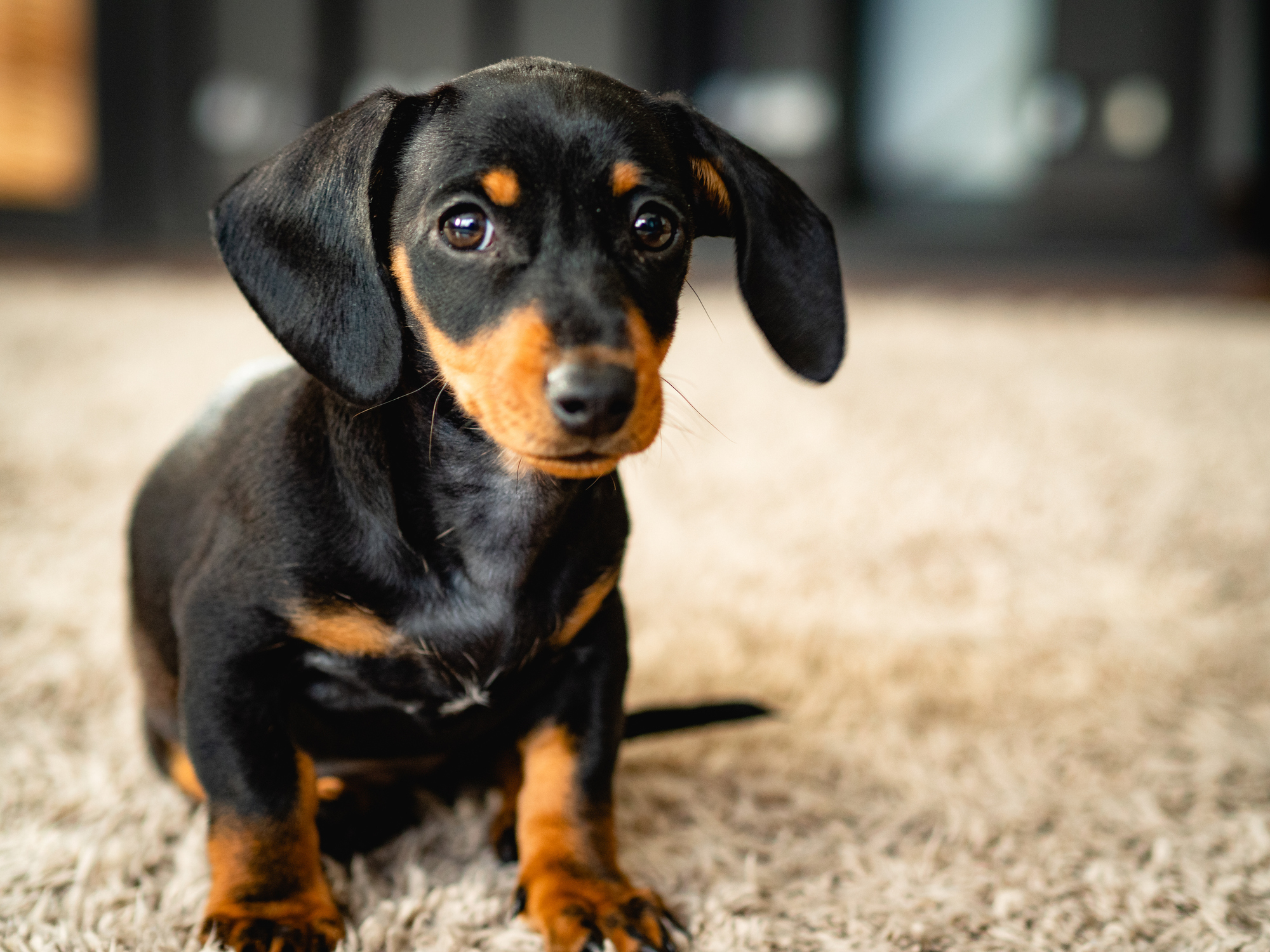
However, critics have claimed that 67 of Britain’s most popular breeds will be classed as unhealthy under the guidelines, including the Welsh corgi, the dachshund, the Scottish terrier and the shih tzu.
The corgi and several other dwarf breeds would be deemed unhealthy owing to short legs and a lack of ground clearance — a characteristic of the breed, which was used for herding cattle, where small stature was an advantage as cows would kick out above their heads.
The assessment states that dogs with shortened legs, where the gap between the chest and ground is less than one third of their height at the shoulder, can experience spinal deformities, joint pain, arthritis and limb abnormalities such as bowed legs or rotational and angular limb deformities.
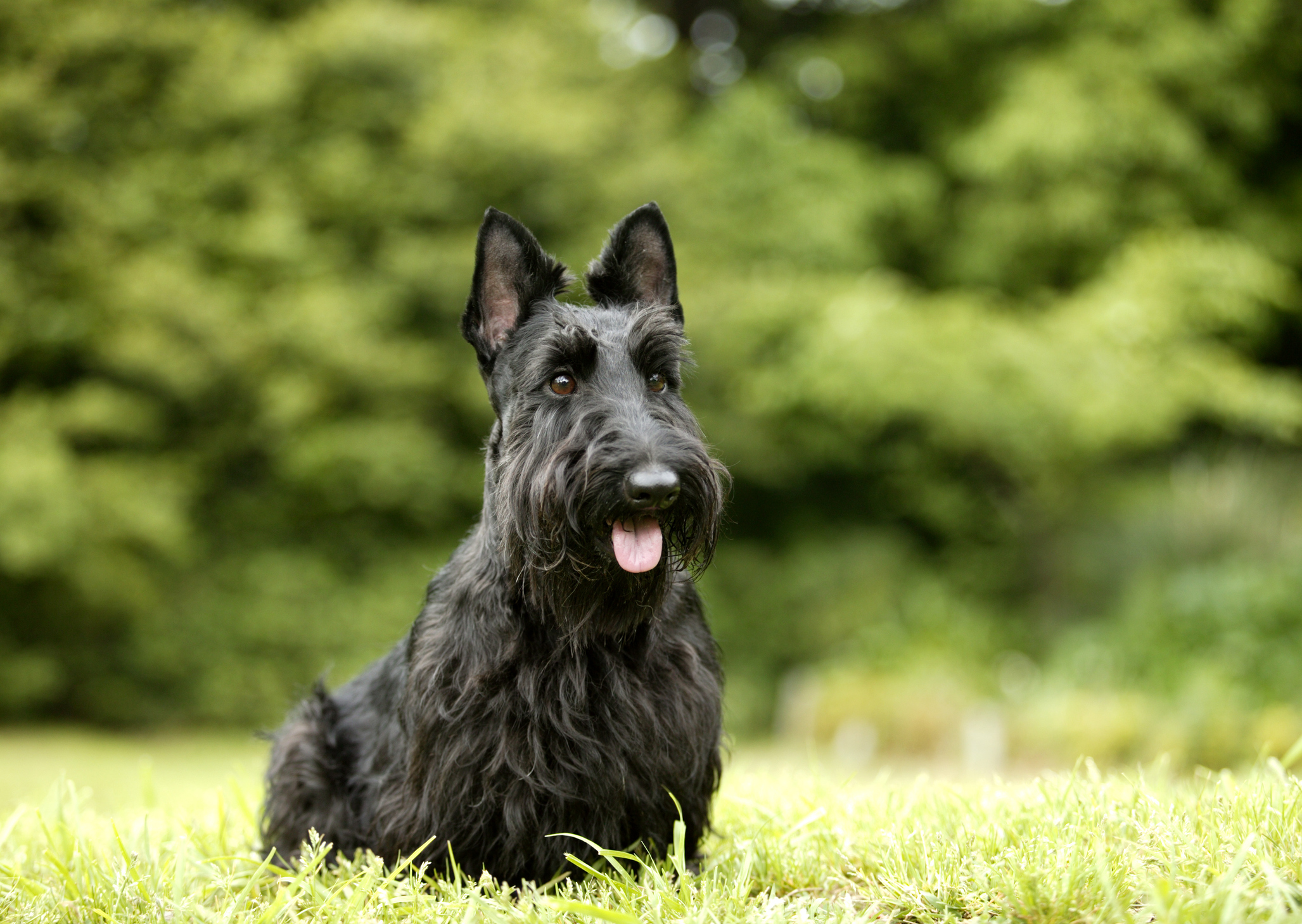
A Scottish terrier
GETTY IMAGES

Critics described the checklist as a “blunt tool” and questioned why a subjective visual assessment was being prioritised above reliable medical tests for animal health.
• Miniature dachshunds stretch ahead to become UK’s hottest dog
Beverley Cuddy, editor of Dogs Today Magazine and founder of the Union of Good Dog People, which promotes ethical breeding practices, said: “We need proper, nuanced tests that don’t throw the baby out with the bathwater or we’re going to lose Britain’s most beloved breeds in the blink of an eye.
“It’s going to be the most shocking thing to happen to dog lovers in this country. People will rightly be outraged at being told they can’t have the dogs they want. It’s madness. I think the late Queen would have been very upset by this proposal.”
Crufts, the world’s most famous dog show, starts on Thursday but research suggests four of the last ten winners of best in show, the competition’s highest award, would fail the new checklist.
Crufts, the world’s most famous dog show, starts on Thursday but research suggests four of the last ten winners of best in show, the competition’s highest award, would fail the new checklist.
Marisa Heath, director of the APGAW, rubbished the claims made by critics. “The suggestion that the Innate Health Assessment [IHA] could lead to beloved breeds such as corgis becoming “banned” is misleading and irresponsible,” she said.
“The IHA is a voluntary welfare tool designed to encourage breeding from dogs with healthy conformations. It does not target particular breeds and is not intended to make any breed extinct — quite the opposite as it is about making those breeds healthier and sustainable by moving them towards good innate health. Indeed, many breeds cited as at risk — including corgis and dachshunds — have already passed the assessment in practice.
“With the extensive evidence that welfare is compromised by extreme conformation in dogs, responsible breeding should focus on improving health within breeds, not fuelling unfounded fears about their disappearance.”
Ian Seath, chairman of the Royal Kennel Club, said that they were working “very closely with APGAW, the IHA team and our breeder community” to discuss the “potential evolution of the current IHA criteria which we believe may benefit from some adaptation. This will be for the very small number of breeds where this may be productive,” he said.
“Ultimately, both APGAW and the RKC agree that we all want healthy body shapes for our dogs and there is great strength in working together and listening to each other to effect meaningful change.”
While voluntary at present, the health checklist is expected to become law within five years. The Animal Welfare Act already outlaws the breeding of dogs that are suffering, but campaigners say the new assessment expands the definition of when a dog is suffering.
While voluntary at present, the health checklist is expected to become law within five years. The Animal Welfare Act already outlaws the breeding of dogs that are suffering, but campaigners say the new assessment expands the definition of when a dog is suffering.
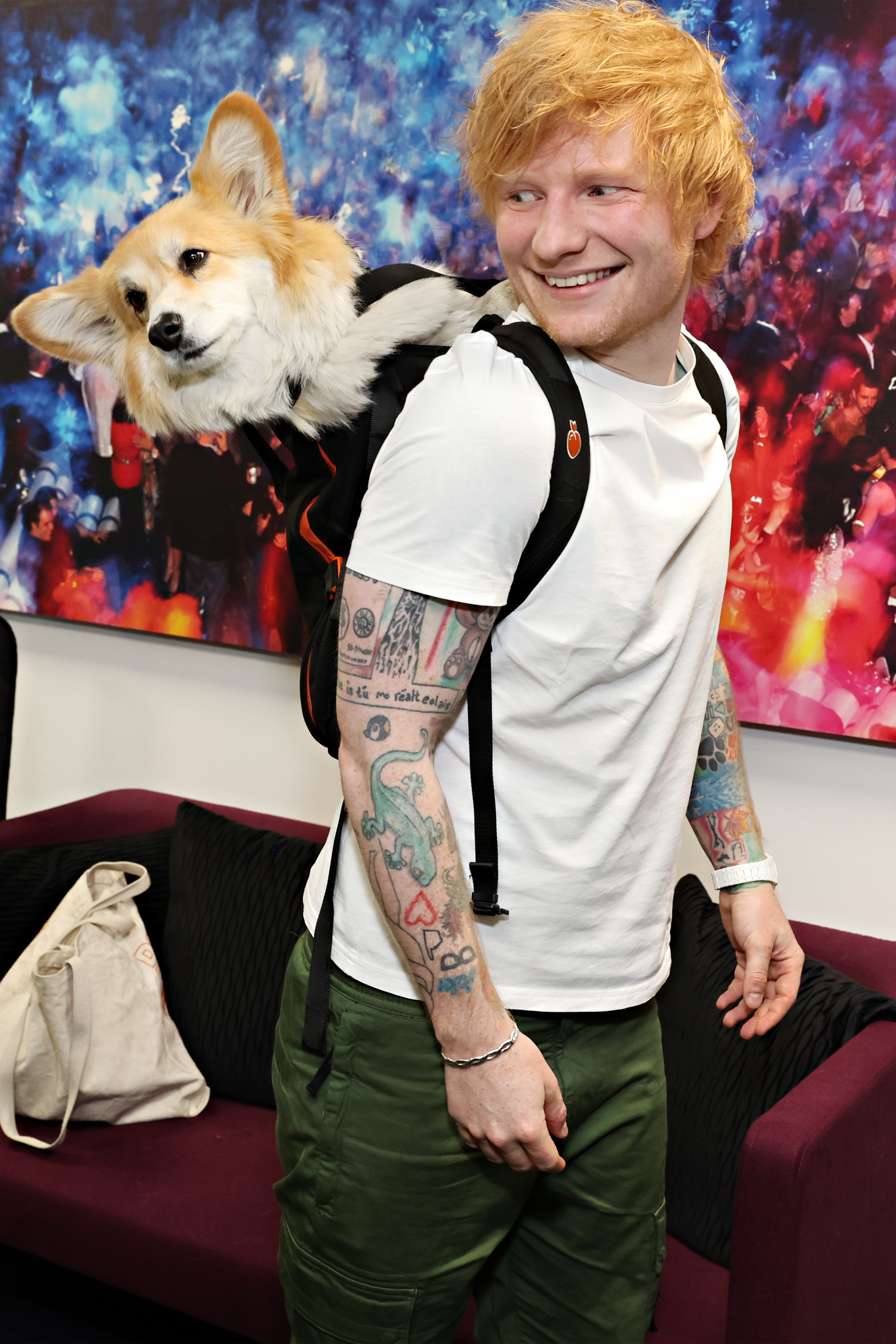
Ed Sheeran in 2023
CINDY ORD/GETTY IMAGES
The tool was launched in the House of Lords as a voluntary scheme but campaigners say the intention was always to make it mandatory and some local councils are already applying the checklist when assessing breeders.
Under the requirements, only dogs with a health assessment score of eight out of ten or above are allowed to be bred. In five years, the criteria will tighten to nine, then all ten in a decade.
Dan O’Neill, associate professor of companion animal epidemiology at the Royal Veterinary College, who developed the tool, has previously said: “The plan here is that in ten years’ time, there will not be a single dog bred in the UK by a licensed breeder that has any extreme conformation.”
To be made mandatory, the guidelines would need to be formally added to animal welfare legislation through parliament. This would make use of the tool a requirement for any breeder seeking to obtain a breeding licence in the UK.
• Peta calls Prince and Princess of Wales ‘out of touch’ over puppies
At present, licensed dog breeders must comply with the Licensing of Activities Involving Animals (England) Regulations 2018, which states that “no dog may be kept for breeding if it can reasonably be expected, on the basis of its genotype, phenotype or state of health that breeding from it could have a detrimental effect on its health or welfare”.
However, local authorities lack a standardised measure to decide when a dog’s health would be compromised by extreme characteristics, meaning this requirement is not applied in practice.
The website for the assessment says “we therefore believe that any commercial breeder who breeds from a dog who fails the IHA could be in breach of their licence”. This does not apply to non-commercial dog breeders.
“It is our hope that the regulation of dog breeding will ultimately be amended to include a requirement for all dogs to have good innate health regardless of whether bred by a hobby breeder or a commercial breeder,” the website adds.
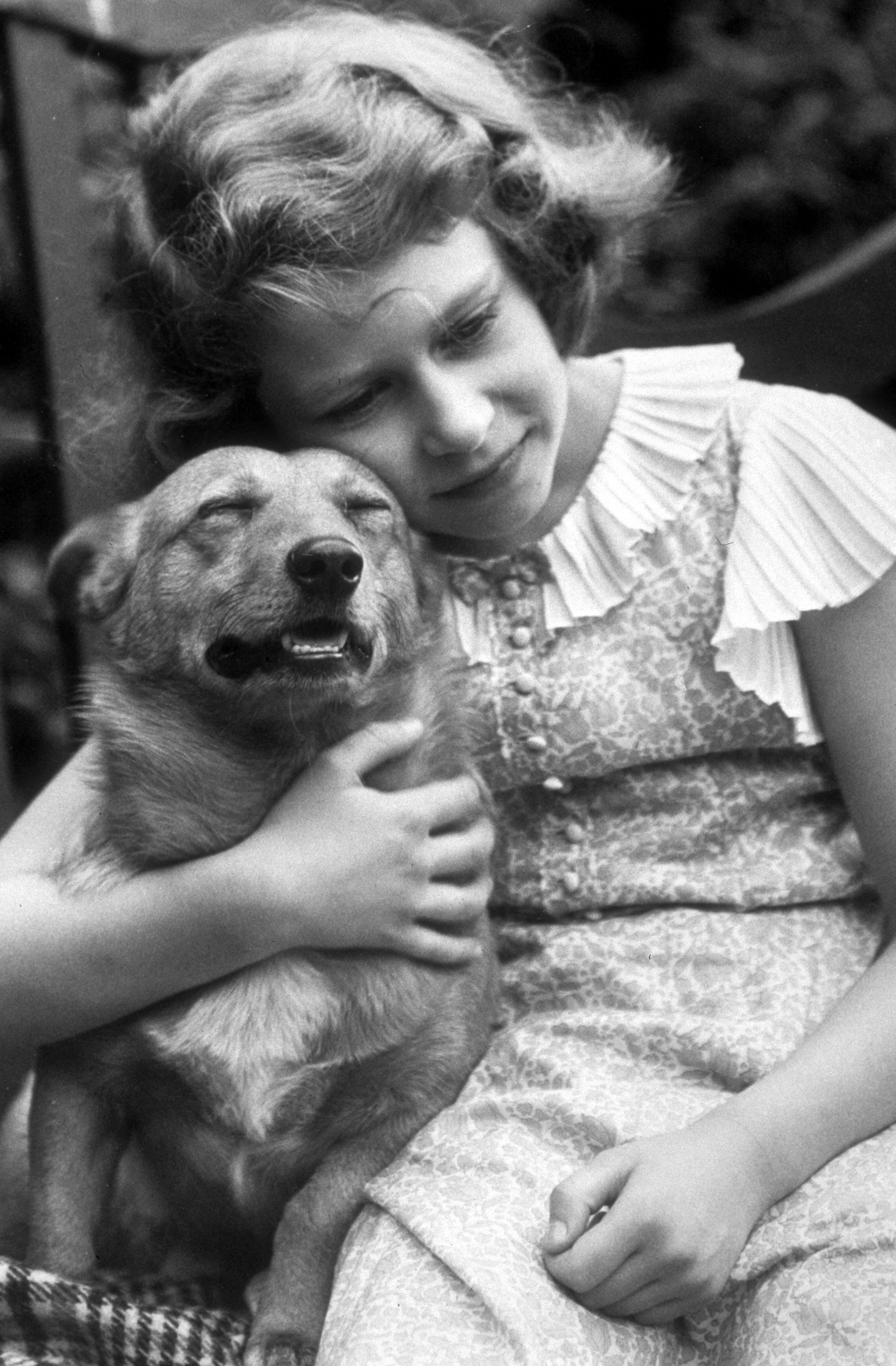
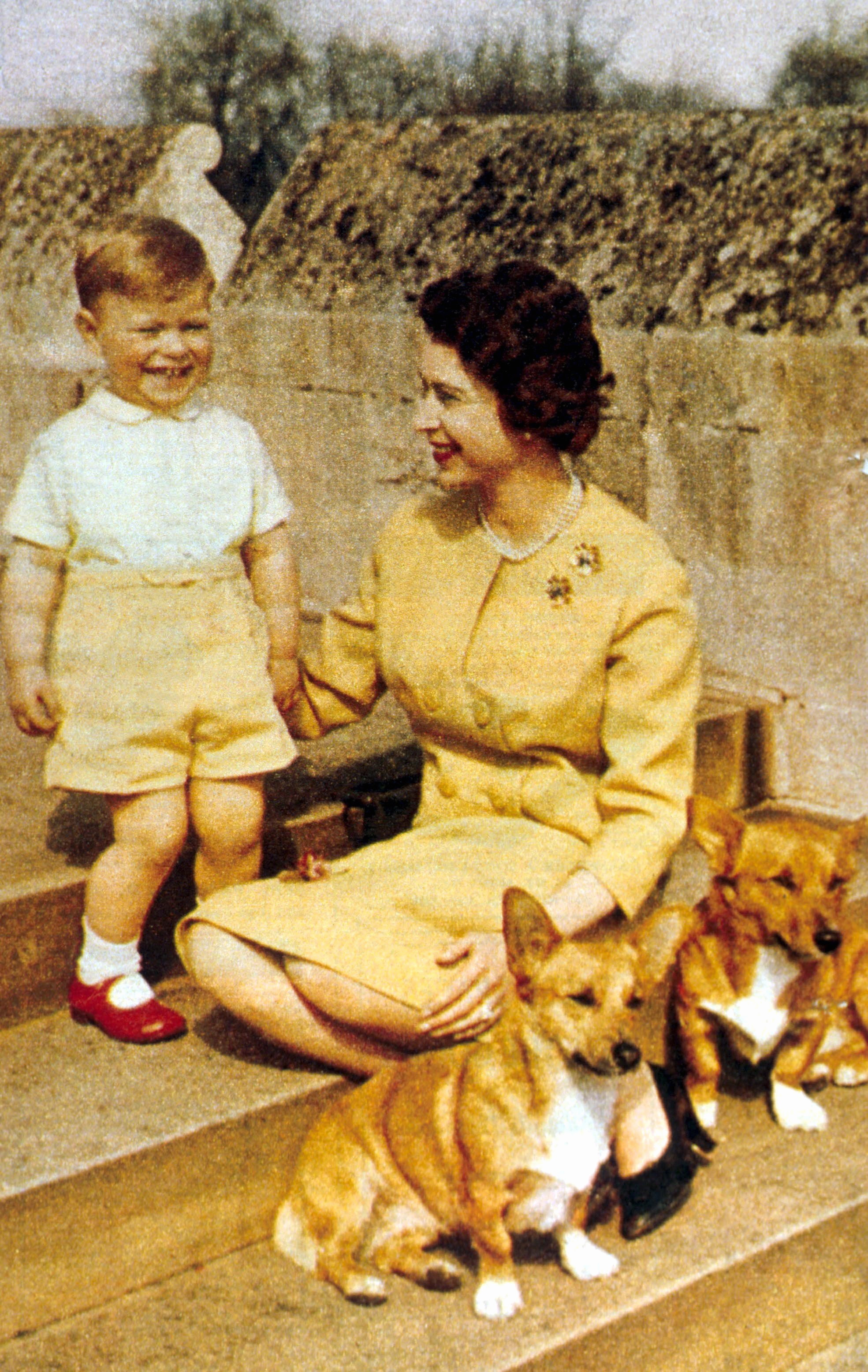
Princess Elizabeth in 1936 and, below, 26 years later with Andrew and her corgis
HULTON ROYALS COLLECTION/GETTY IMAGES
The all-party group has even produced a pledge for TV and film producers and advertisers to sign, promising only to show dogs that meet all of its ten criteria.
The tool has the support and endorsement of several organisations including the Royal Veterinary College, the RSPCA and Dogs Trust.
Margaret Hoggarth, secretary of the Welsh Corgi League, said: “They are trying to say any dogs with a certain look are unhealthy but anybody who has worked with corgis knows they are a very healthy breed. They don’t have the problems you see with some other breeds but sadly they are being lumped in together because they have short legs.”
• Sarah Ferguson says Queen Elizabeth speaks to her via her corgis
Queen Elizabeth owned more than 30 Pembroke Welsh corgis and “dorgis” (corgi-dachshund mixes) during her reign and the animals rarely left her side.
After her death in 2022, her final two corgis, Muick and Sandy, were present at her funeral before they were adopted by Andrew Mountbatten-Windsor and Sarah Ferguson.
A Kennel Club spokesman said: “The tool is neither nuanced nor robust enough to effectively support breeders in producing dogs of more moderate conformation.
“It also fails to enable the public recording of individuals’ data or tracking of breed progress within criteria, both of which are essential information for responsible breeders.
“In addition, we have highlighted specific concerns regarding some criteria within the IHA, which we believe could have unintended consequences for certain breeds and responsible breeders.”