
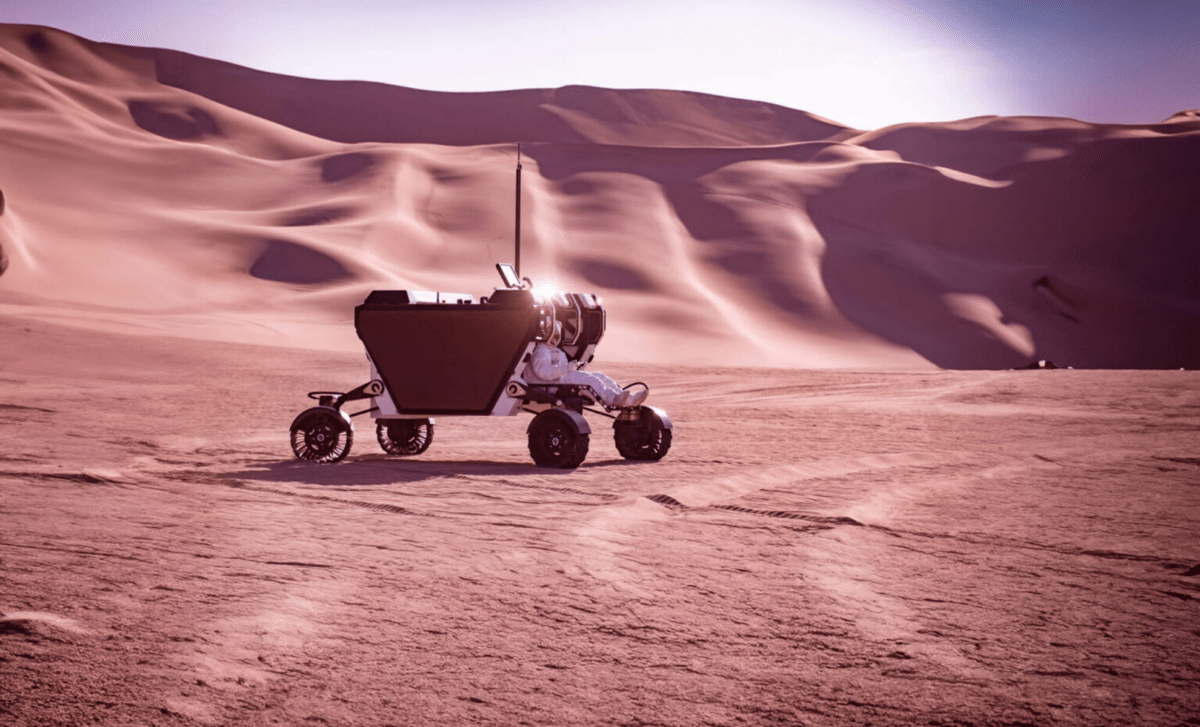
As space exploration rapidly advances, companies are turning their attention to the Moon’s untapped resources. According to Ars Technica, two companies, Interlune and Astrolab, have unveiled ambitious plans to develop lunar harvesters aimed at extracting valuable resources like Helium-3 from the Moon’s surface. This venture marks an exciting step toward expanding human capabilities on the lunar surface, with both private and public space sectors eager to see how these technologies will unfold.
The Vision of Lunar Resource Extraction
In a world where space exploration is no longer the domain of government agencies alone, private companies are stepping up to lead the charge into the unknown. One of the most ambitious plans currently in development involves the extraction of Helium-3, a rare isotope thought to have immense potential for nuclear fusion energy. Helium-3 is incredibly scarce on Earth, but the Moon’s regolith (its dust and soil) contains significant amounts of it, making it an invaluable resource for future energy production.
As highlighted in a recent report from Ars Technica, Interlune, one of the leading companies behind this effort, is focused on developing a fleet of electric harvesters. These harvesters will be tasked with excavating the lunar surface, extracting the precious Helium-3, and separating it from the surrounding regolith. “Ultimately, we want to build a fleet of electric harvesters that will go to the Moon and excavate, extract, and separate Helium-3 from the lunar regolith,” said Interlune chief executive Rob Meyerson. The company sees the FLEX Rover, developed by Astrolab, as the perfect platform to facilitate this process.
Interlune’s approach involves a combination of state-of-the-art technology, efficient power systems, and the versatility needed to operate on the Moon’s harsh surface. By using electric rovers, they aim to provide sustainable, long-term solutions for resource extraction, which could revolutionize both space exploration and energy production on Earth. The idea of a fleet of harvesters signifies the scale of their ambition, this isn’t just a single mission, but a long-term commitment to sustainable lunar mining.
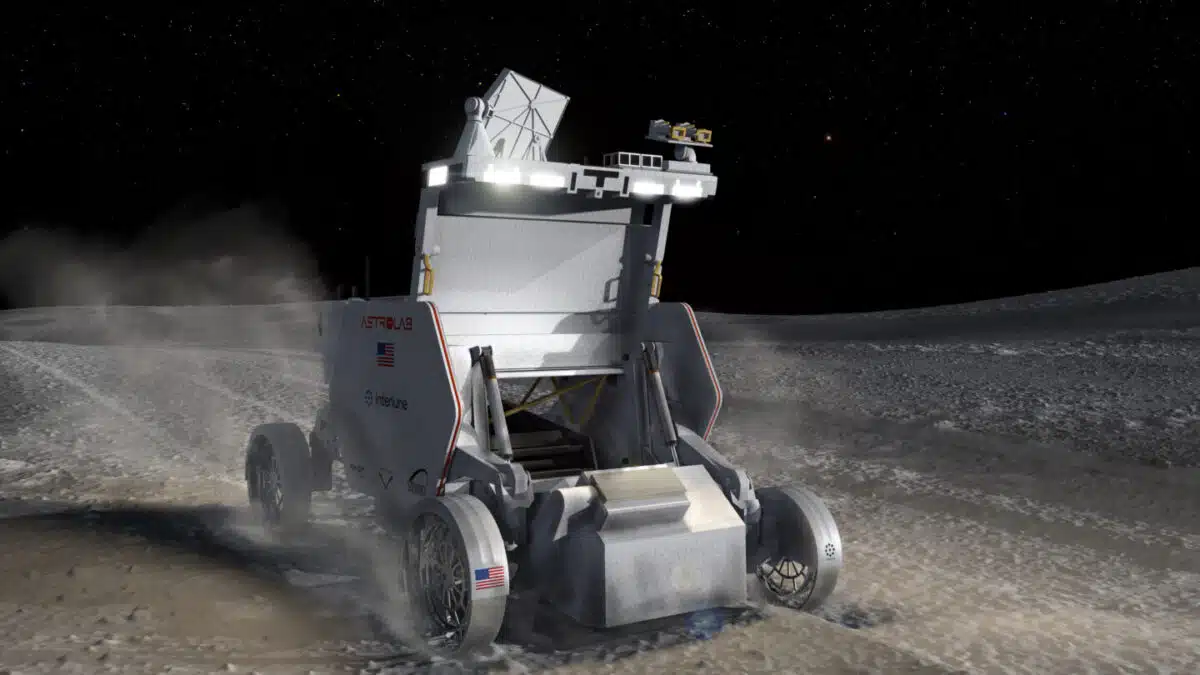 A stylized rendering of the Astrolab Flexible Logistics and Exploration (FLEX) rover integrated with Interlune excavation technology.
Credit: Astrolab
Astrolab’s Modular Approach: Flexibility in Design
Astrolab, the other key player in this collaboration, brings a distinct perspective to the table. The company’s FLEX Rover is an engineering marvel designed to meet a broad range of needs on the Moon. While the rover’s primary goal is to support the excavation of lunar materials, it is also highly versatile, able to carry scientific instruments or serve as a mobile base for astronauts. Astrolab’s approach emphasizes adaptability, which could prove critical in the unpredictable environment of space.
“Our thesis is to make the most versatile platform possible so we can serve a wide array of customers and achieve NASA’s goal of being one customer among many,” said Jaret Matthews, Astrolab founder and chief executive.
This adaptability is key to future lunar missions, where the demands of different customers, whether scientific research teams or mining operations, will require a variety of capabilities. By designing a modular rover, Astrolab allows for customized payloads that can carry everything from scientific tools to excavation equipment, making it an invaluable asset for missions on the lunar surface.
The flexibility of the FLEX Rover also extends to its potential role in lunar mining operations. According to Matthews, “the excavating equipment that Interlune is developing would basically go under the belly of the rover.” This modular design ensures that the FLEX Rover can serve multiple roles, depending on the needs of the mission. Whether it’s assisting in resource extraction or acting as a transport vehicle, the rover can be adapted to different tasks on the fly, increasing its utility and efficiency for future missions.
The Growing Role of Private Industry in Space Exploration
As we move closer to sustainable space exploration, the role of private companies like Interlune and Astrolab becomes more significant. While agencies like NASA have laid the groundwork for space exploration, private companies are now taking on the challenge of commercializing space technologies. The collaboration between Interlune and Astrolab reflects the growing trend of public-private partnerships that are accelerating the pace of space exploration.
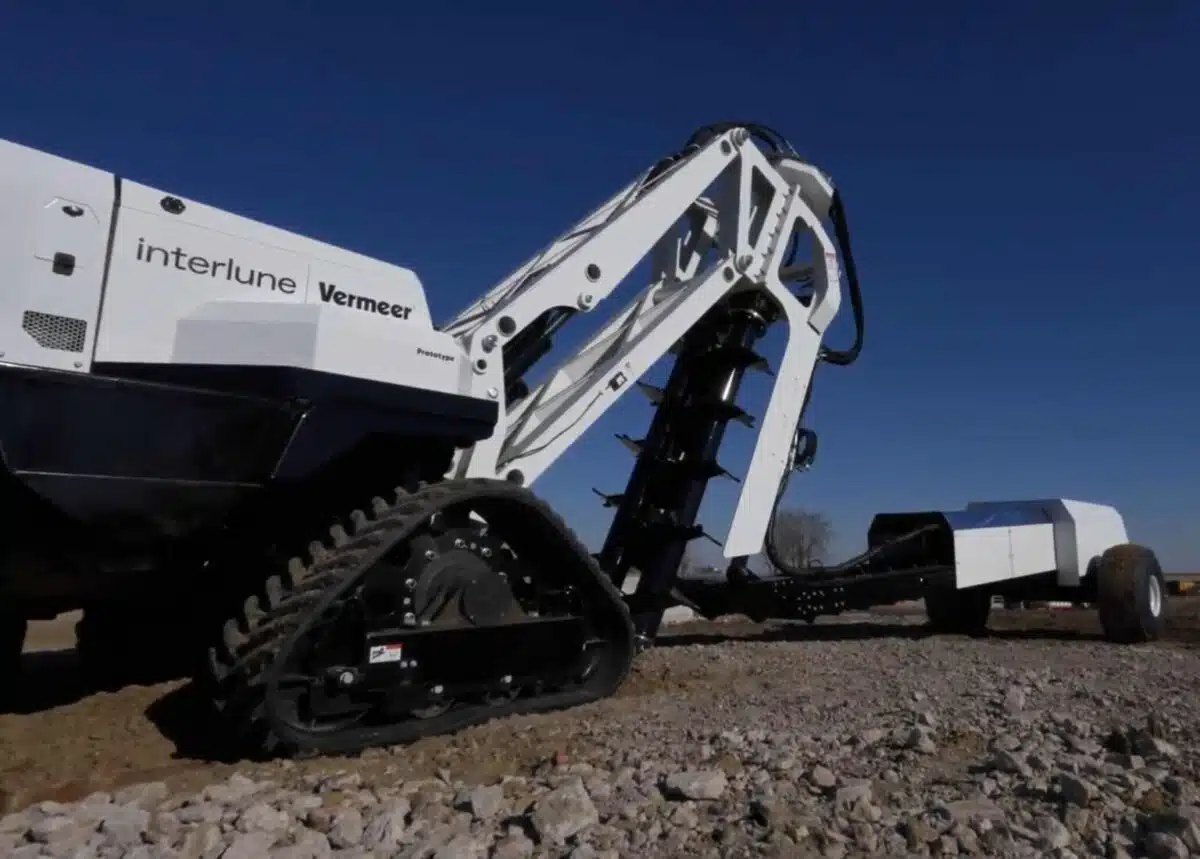 Credit: Interlune
This shift marks a new era in space missions, where profit-driven companies work alongside government agencies to push the boundaries of what is possible. The Moon is seen not just as a destination for scientific discovery, but as a potential resource hub that could fuel humanity’s ambitions for energy independence and long-term space exploration.