
Azerbaijan is a major energy supplier, and its crude oil reaches global markets through a 1,768km (1,100-mile) pipeline that goes via Baku on the Caspian Sea through Georgia to Turkey’s Mediterranean coast.
That pipeline carries more than a million barrels of oil a day and provides Europe with a vital supply route that bypasses both Russian and Iranian territory.
It also supplies Israel with a significant proportion of its oil.
As a result, the pipeline is viewed as a significant potential target for Iran, and any threat of disruption could raise security fears and jolt energy markets.
Both Iran and Azerbaijan deny seeking escalation.
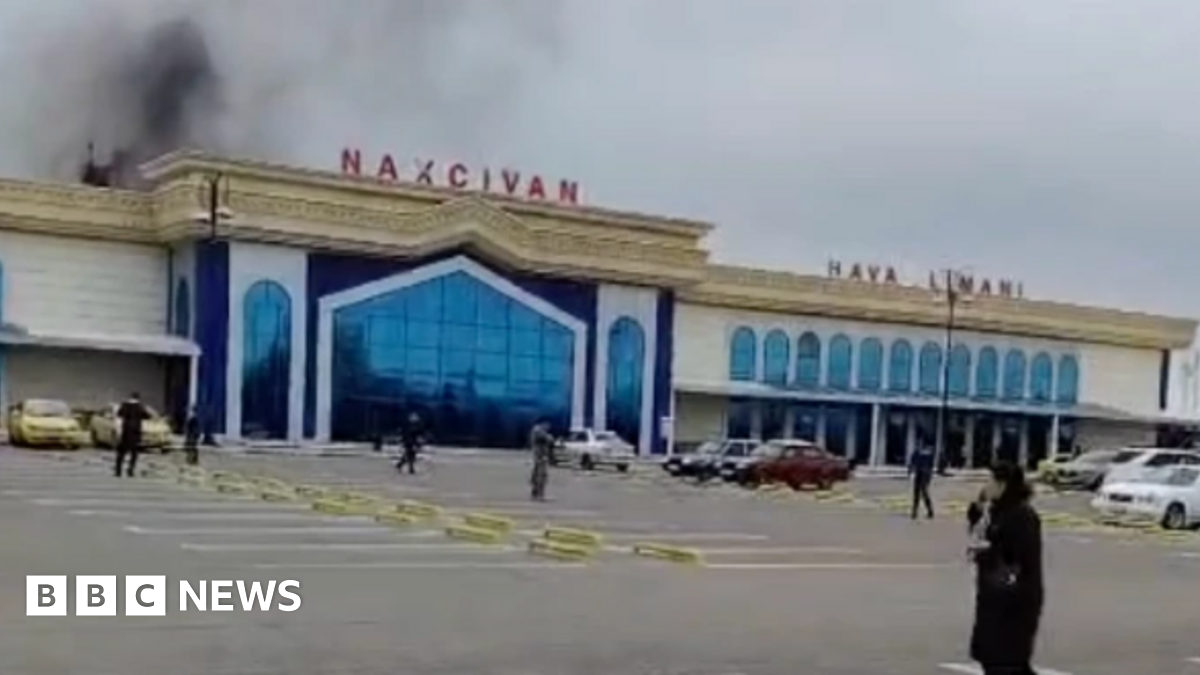
Aliyev insists Azerbaijan “will not participate” in military operations against Iran, and Tehran continues to reject responsibility for the drone attack.
But Aliyev’s decision to talk openly of Azerbaijan being a “place of hope” for Iranian Azeris introduces a new and potentially unpredictable element.
Aliyev has pointed out to Tehran that he was the sole foreign leader to visit any Iranian embassy to express condolences following the killing of Khamenei, and that he personally responded to a request to help evacuate Iranian embassy staff from Lebanon.
Now, he says, Iran has repaid those gestures with drone strikes on Azerbaijani territory, something he views as a deep betrayal.