
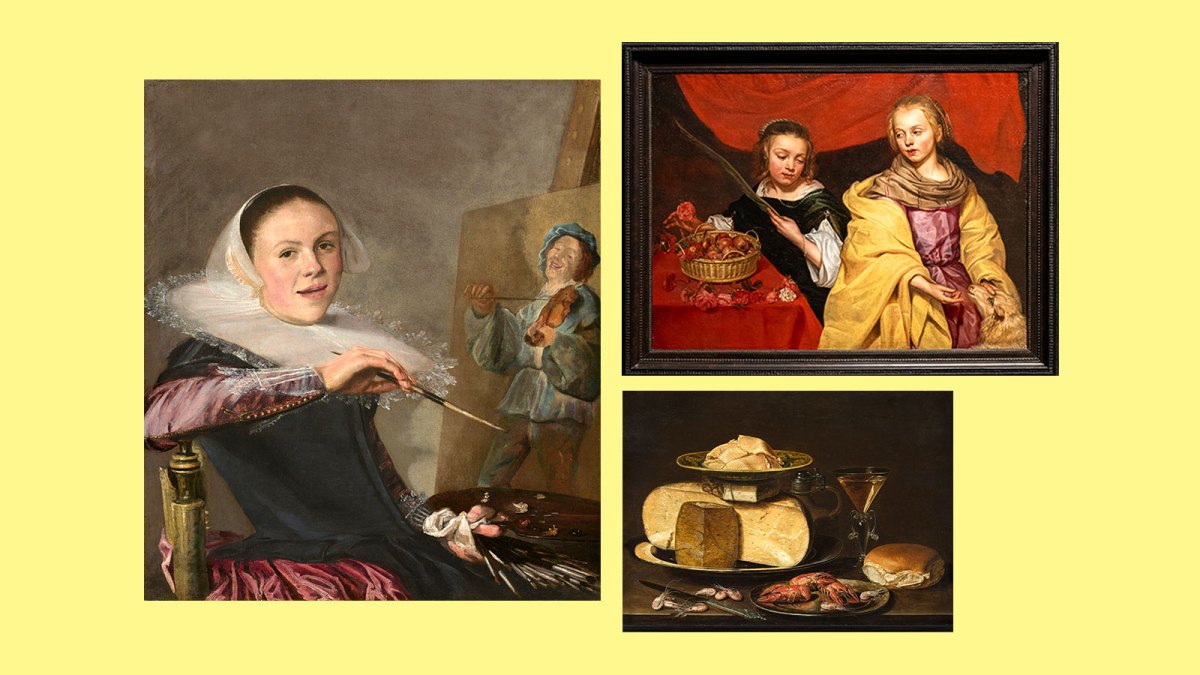
The 17th-century Golden Age is famous for Dutch and Flemish masters including Rembrandt, Hals, Van Dyck and Vermeer. Less well known, and some even entirely forgotten, are the female artists whose works were often falsely attributed to their male contemporaries.
A new exhibition at Ghent’s Museum of Fine Arts (MSK) now showcases the work of these largely unknown artists, from Judith Leyster and Clara Peeters to Michaelina Wautier and Maria Faydherbe.
The women fell from renown, often because of misattribution and sexism, despite what curators said were manifest talents and an assertiveness about their work and their place as the equals of male artists.
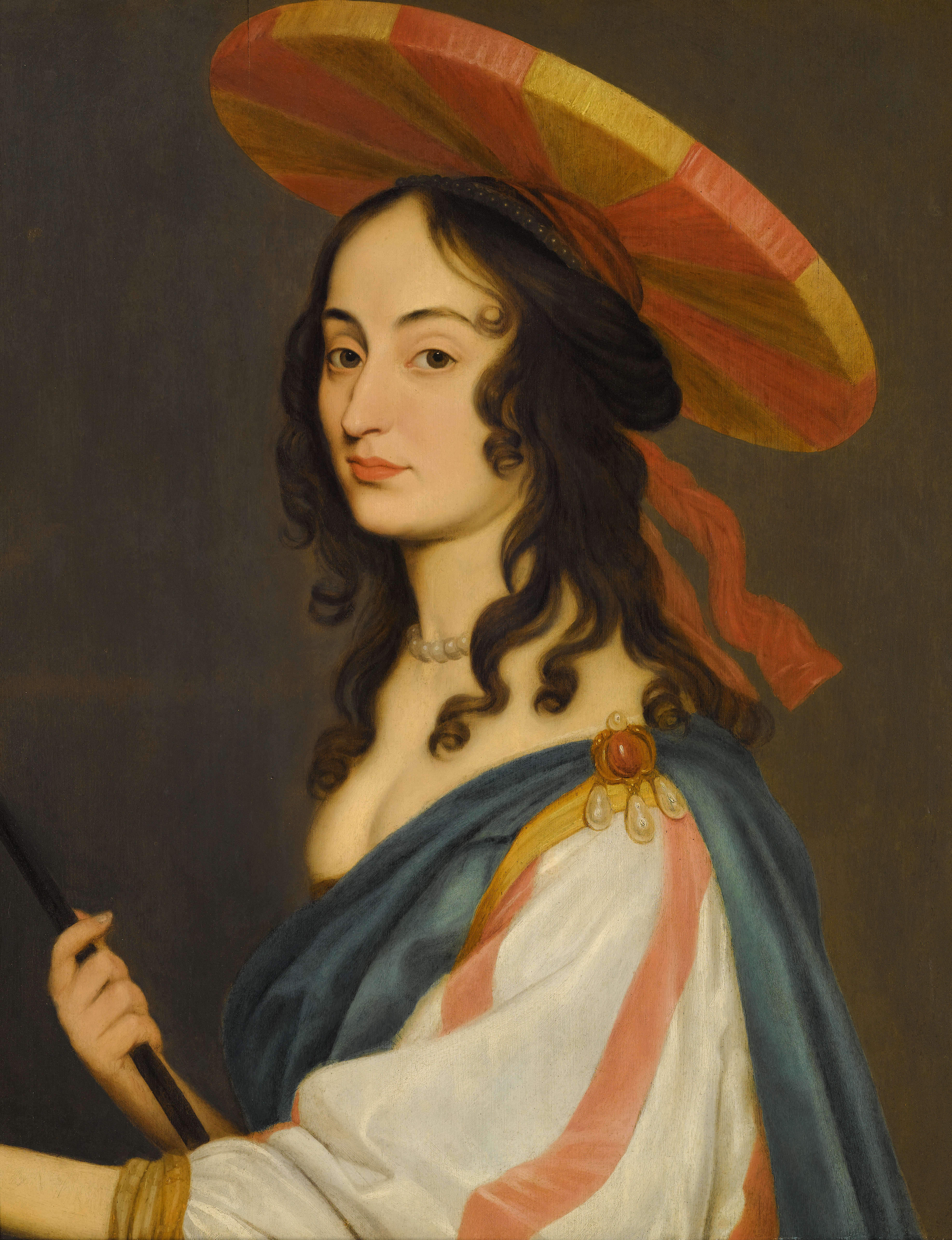
Louise Hollandine’s self-portrait, 1650-1655
The exhibition at the MSK, which has the slogan “once suppressed, never forgotten”, promises to demonstrate that “the Old Masters were women too”, including through a 1631 work entitled Young Woman Being Harassed by a Man.
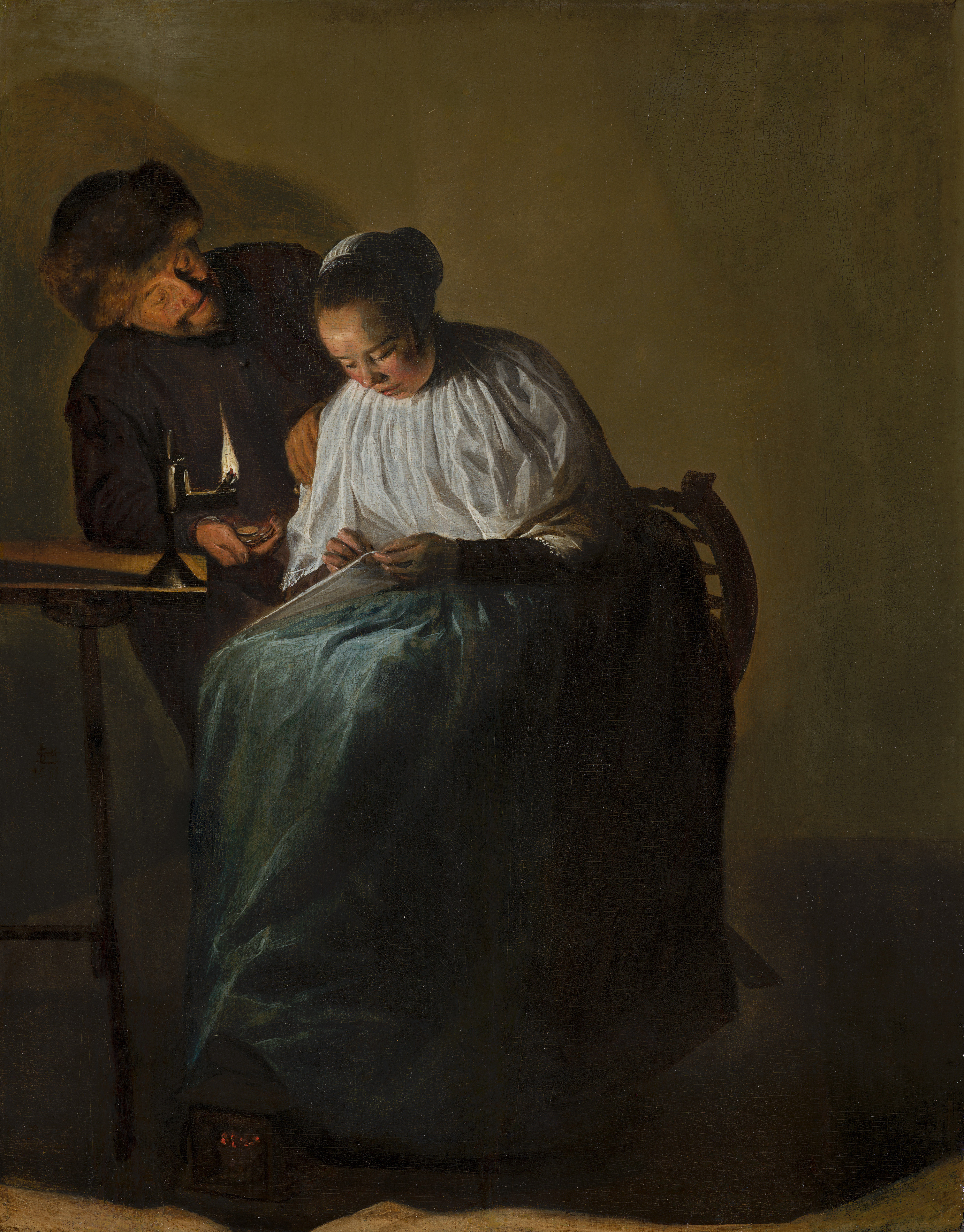
Judith Leyster’s Young Woman Being Harassed by a Man
MARGARETA SVENSSON
“Many female artists proudly depicted themselves, sitting at an easel, palette in hand. They made themselves visible and claimed their craftsmanship,” said Frederica Van Dam, a curator at the MSK.
“Unfortunately, the 19th century changed everything. Art history became a new discipline. But most were men and they wrote art history from their own perspective with conscious, but also unconscious gender biases.”
Staring confidently at the viewer, Judith Leyster (1609-1660) proves the point with a glorious self-portrait from about 1630 showing a 17th-century artist at the peak of her powers. She was well known in her day and had her own successful workshop in Haarlem but her works were later misattributed either to Frans Hals, her local contemporary, or her husband, Jan Miense Molenaer.
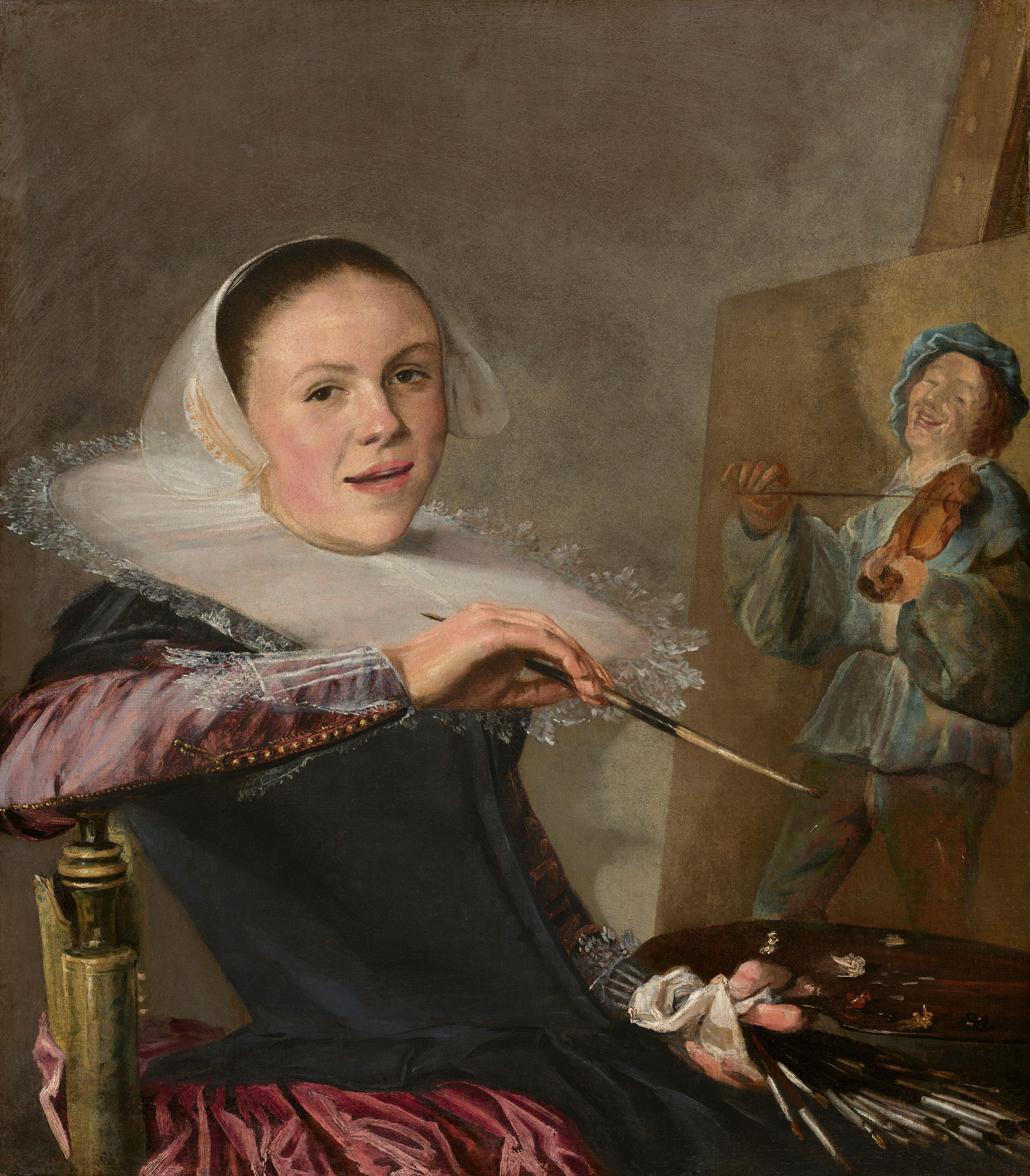
Leyster’s self-portrait, from about 1630
Michaelina Wautier’s (1604–1689) remarkable Two Girls as Saint Agnes and Dorothea is a classic Golden Age painting, as are still lifes by Clara Peeters, who was a star in her own day but then forgotten. Her dates of birth and death are now unknown.
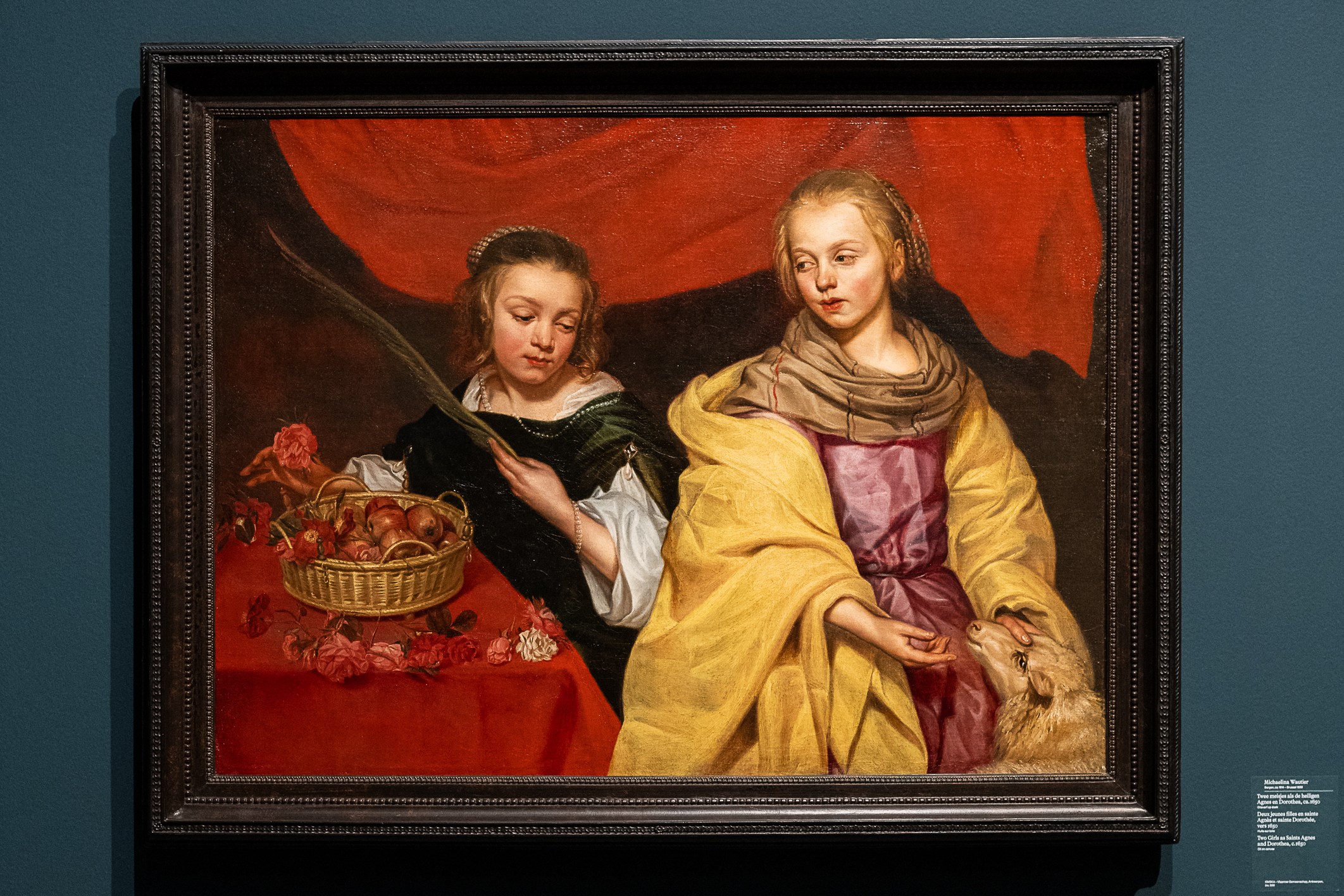
Two Girls as Saint Agnes and Dorothea
MARTIN CORLAZZOLI
“We spent three years combing through literature, delving into archives, and visiting numerous collections. We found quite a few women in museum storage,” Van Dam said.
• How to clean 30 years of tourist sweat off a Michelangelo
Work by Maria Faydherbe (1587-1643), a sculptor based in Mechelen near Antwerp, shows the self-confidence and talent that characterised the period. She had little time for many of her male rivals, dismissing them as mere “production line workers” — an élan that ruffled feathers and offended fragile masculine sensitivities.
“It wasn’t very common for the wood sculptors in Mechelen to sign their work but she did this, very consciously, and her signature is very, very visible,” Van Dam said. “On top of that, she spoke negatively about her male colleagues. Of course, she was immediately accused of arrogance, because she spoke out and deviated from the norm.”
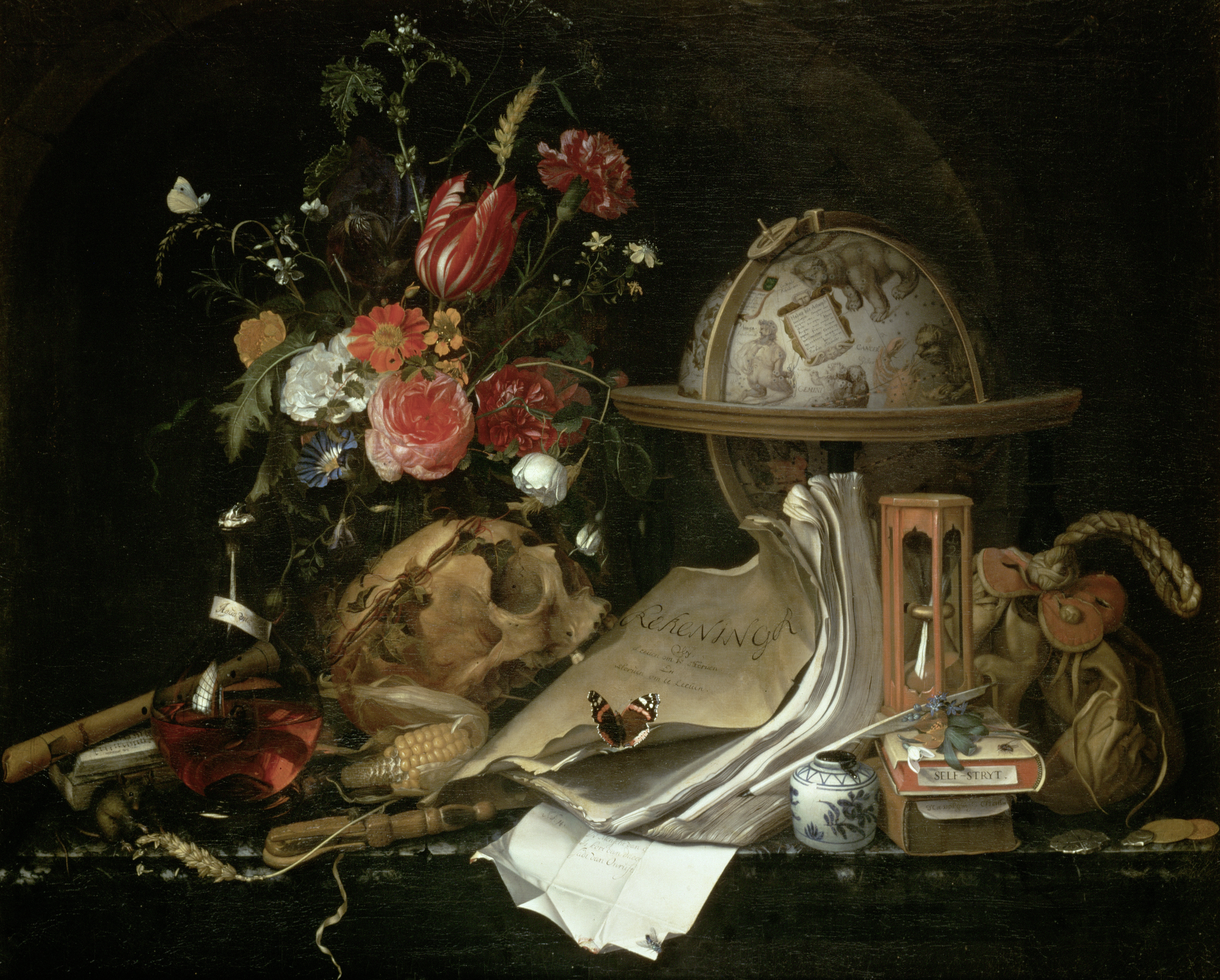
A still life by Maria Van Oosterwijck
The exhibition of 150 works by 40 women additionally explores crafts such as fine lacework, usually by unknown women, and paper-cutting. The work of Johanna Koerten (1650-1715), for example, was sought after by monarchs including Peter the Great of Russia. One of her works was remarked to have fetched a similar sum to that paid to Rembrandt for his epic 1642 painting The Night Watch.
“I hope that study of these women artists will bring a more complete narrative to art history,” Van Dam said.