
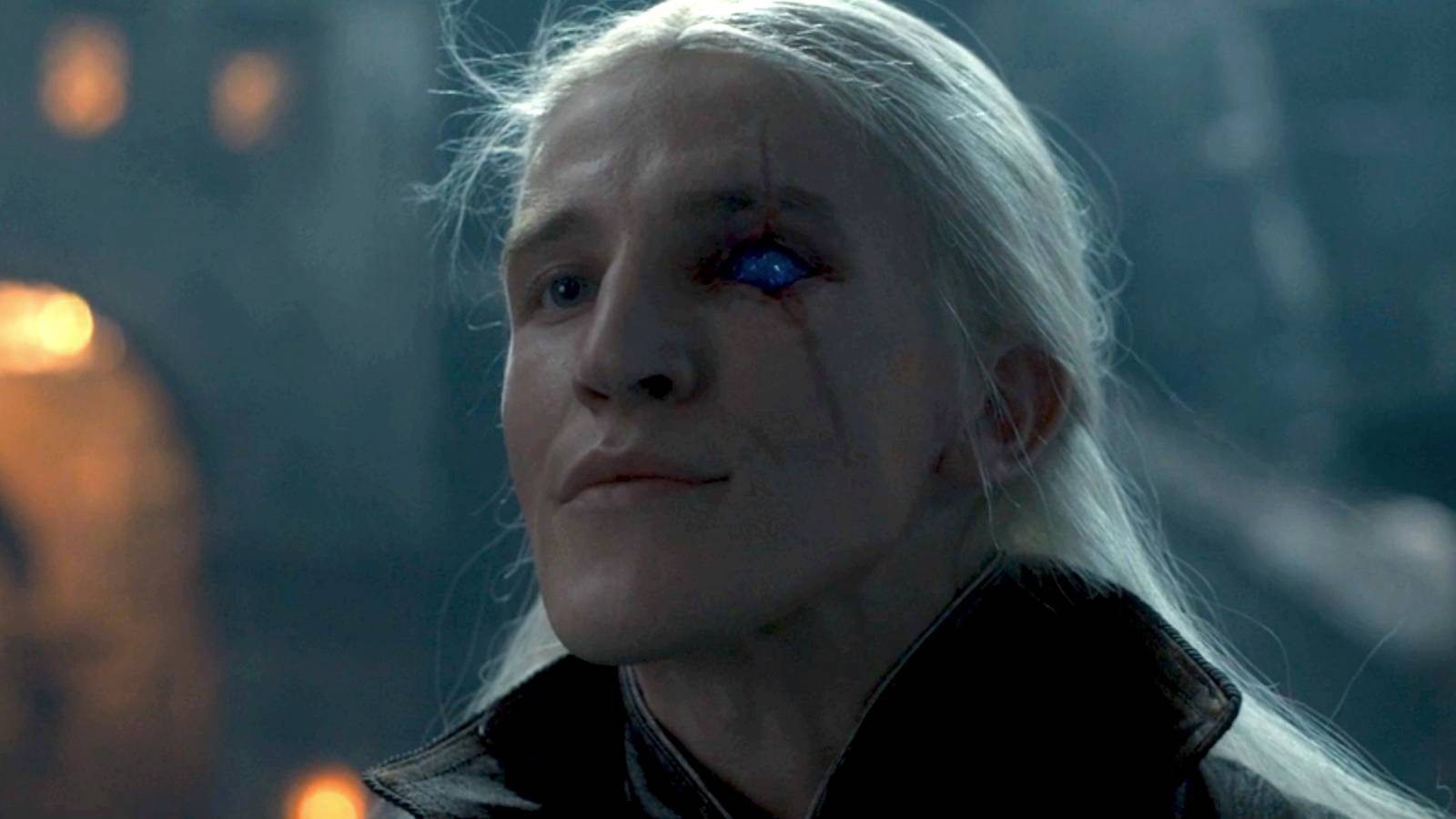
One sticking point: The script is in producers’ hands at Warner Bros., which is in the middle of a contentious, complicated buyout by Paramount Skydance, so anything being developed there will likely get backburnered for an unknown length of time as the dust settles. But that isn’t the issue that bothers me about the untitled Game of Thrones movie. I’m more concerned that it’s reportedly yet another war-driven prequel about the Targaryen family, this time focused on Aegon’s Conquest, and the Targaryens’ original rise to rulership in Westeros. The Targaryens are rapidly becoming the Sith of the Game of Thrones universe, and the increasing focus on them should concern fans who don’t want to see this franchise stuck in the same morass as the Star Wars movies.
In George R.R. Martin’s Song of Ice and Fire novels, the source material for the first Game of Thrones show, the Targaryens are just a small part of a vast, sprawling story. Their cruel, hedonistic, madness-tinged rule of Westeros hangs heavily over the country at the beginning of the series, and so does their comparatively recent fall from power, and the instability and weakness of the regime that ousted them. The lack of a single entrenched, powerful villain is what gives Martin’s novels their rich complexity: A generation after the Targaryens are pushed from rule, Westeros’ power blocs all see opportunities in the question of who will take the Iron Throne.
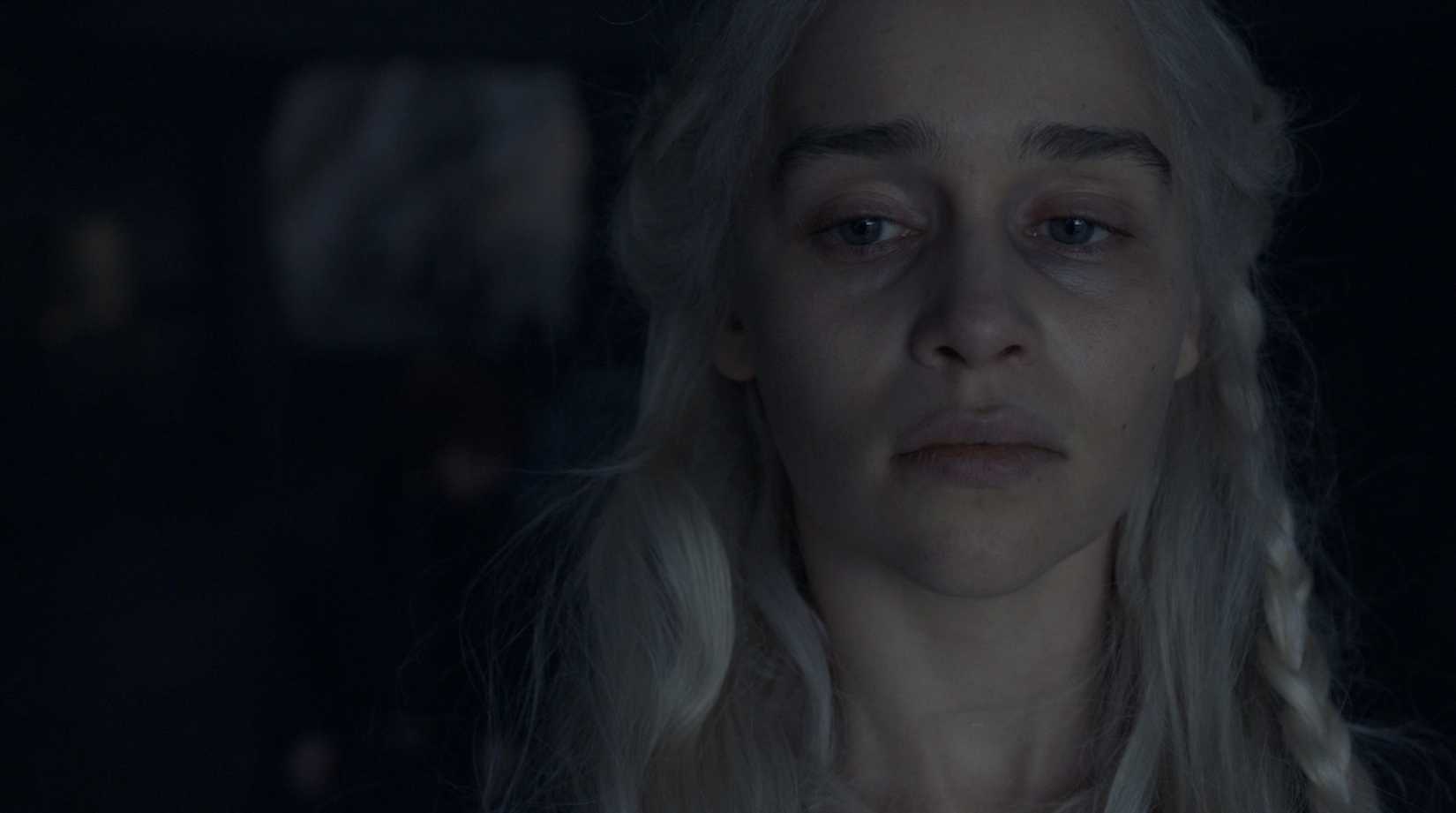
Daenerys Targaryen in Game of ThronesImage: HBO Max
In Song of Ice and Fire, there are only a few royal Targaryens left behind to become major characters. Daenerys Targaryen plays a huge role in the story, but she’s just one point of view character among all the Starks, Lannisters, and other scions of major and minor houses. That leaves plenty of room for different kinds of villains: schemers like Cersei Lannister and her monstrous son Joffrey, pettier sadists like Ramsay Bolton and Walter Frey, destabilizing forces like Melisandre of Asshai, and the existential threat of the Night King.
But House of the Dragon, based heavily on the Westeros history Martin laid out in his background book Fire & Blood, takes a deep dive into Targaryen rule, exploring the family’s internal schisms and struggles over power, two centuries before Game of Thrones. A Knight of the Seven Kingdoms, the most recent spin-off series, set around a century after House of the Dragon, is a much smaller-scale story — with Targaryens as its primary powers, and a Targaryen as its primary villain. The rapidly approaching stage play Game of Thrones: The Mad King centers on the chaotic rule of Aerys II Targaryen, and the rebellion against him. With this new movie script focusing on yet another Targaryen-centric power struggle, this time a century before House of the Dragon, it’s beginning to feel like the entire franchise is zooming in on one family at the expense of everyone else.
There are obvious reasons for that. Apart from the Song of Ice and Fire books, which Benioff and Weiss adapted as Game of Thrones until they overtook Martin’s published material, most of what Martin has written about Westeros has been sweeping summaries of the Targaryens’ three centuries of rule. Creators working today, trying to find the actionable and adaptable storylines in the history-book-style summaries of Fire & Blood, are naturally going to gravitate to the big dramas and personal upsets of Targaryen infighting, and the allure the Targaryens represent as a family, with their powerful dragons, distinguishing physical features, and heritage of insanity after generations of incest.
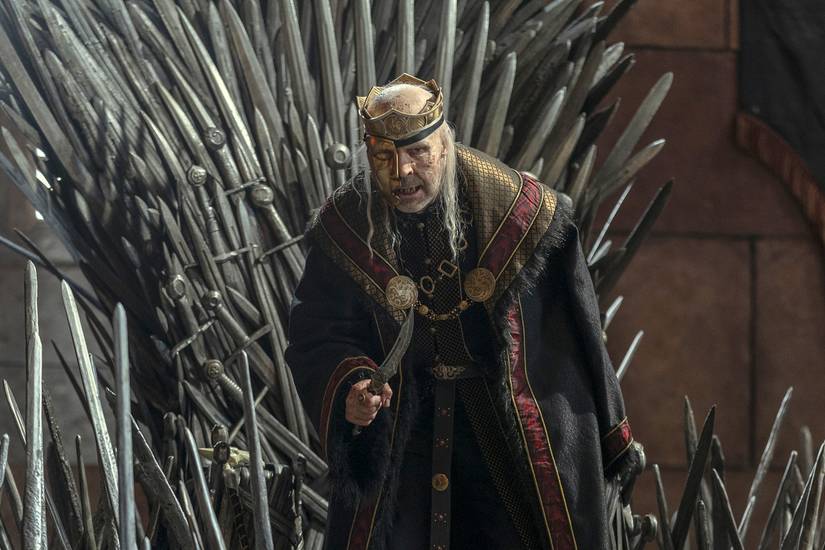
Viserys Targaryen in House of the DragonPhoto: Ollie Upton/HBO
But centering so many Game of Thrones stories on the same kind of characters — blonde, violet-eyed, power-hungry psychotics lacking humanity, leaning on a belief in their right to rule, and associating strongly with dragons — risks making both the antagonists and the stories built around them feel increasingly samey. This is the same kind of thinking that gave us a carbon-copy version of the Empire and the Death Star in the Star Wars sequel movies, a resurrected Emperor Palpatine as the main villain in The Rise of Skywalker, and a frustrating focus on Jedi vs. Sith conflicts throughout the franchise: “Darth Vader is scary, powerful, interesting, and a longtime fan favorite, so what if we invented a bunch more characters like Darth Vader and made them the villains?”
Studio honchos are famously conservative about wanting to play things safe, imitate past successes, and play to a fan base that just wants more of the things they love. But that thinking has hurt the Star Wars franchise in the long term, and it feels like a bizarre choice when there are endless other possibilities for its sprawling galaxy, and when the franchise has seen its biggest successes over the last decade via the projects that departed furthest from repeating the original trilogy’s plot. We’re seeing the same thing in Game of Thrones’ close focus on Targaryen power struggles and Targaryen villains: It’s a sharp narrowing of a story that used to feel epic because it went in so many directions, and focused on so many different kinds of stories.
And the Targaryens are, in the end, not always particularly interesting villains. As seen in Knight of the Seven Kingdoms or House of the Dragon, they lean toward broad, generic, capital-E evil. Sith evil, in other words — the kind of Darth Vaderish, Emperor Palpatine symbolic-darkness-and-death evil that doesn’t come with a lot of nuance, or the moral shades of grey that used to be the primary thing readers and viewers praised about George R.R. Martin’s work, and the element he seemed to find most crucial to his own stories.
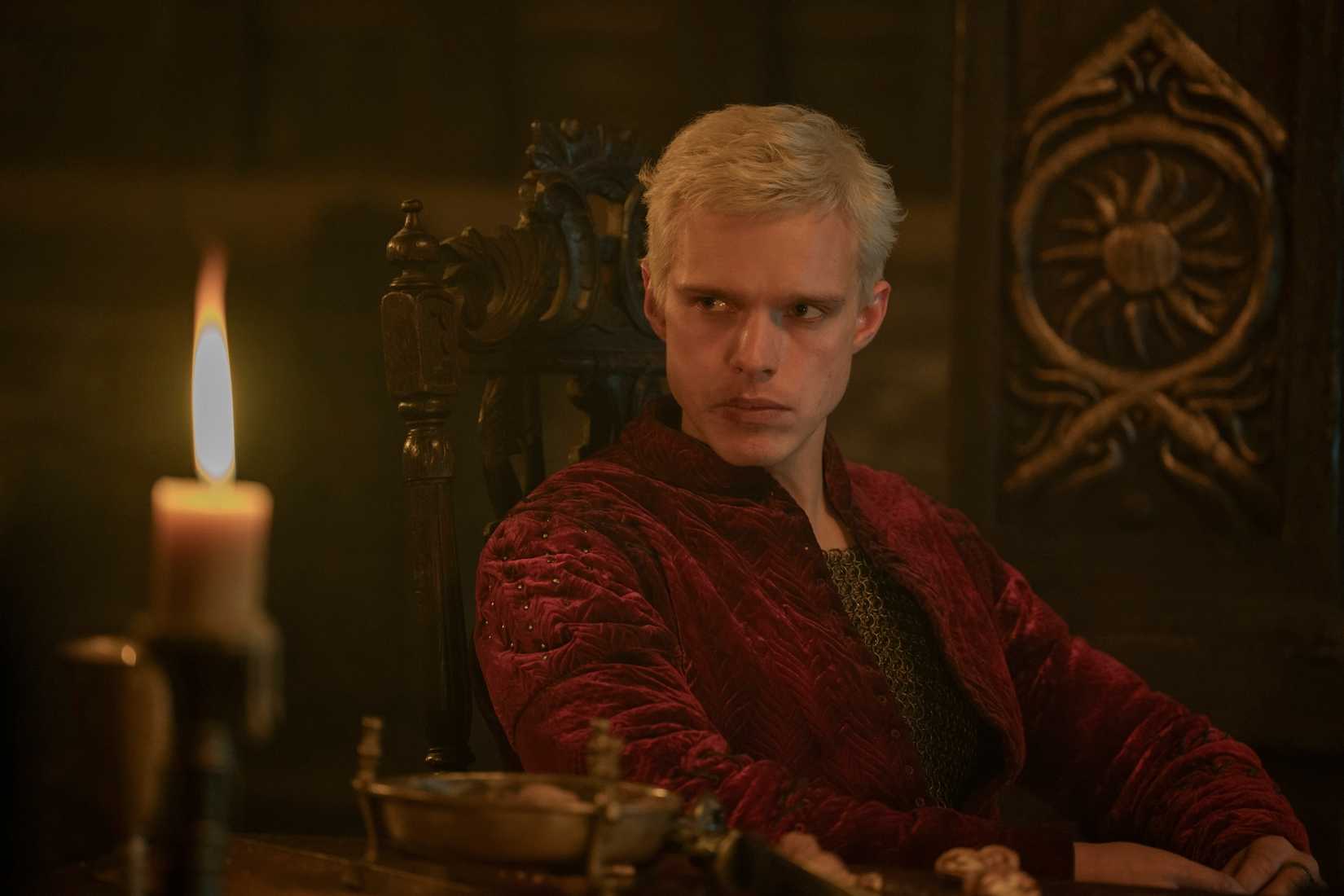
Aerion Targaryen in A Knight of the Seven KingdomsPhoto: Steffan Hill/HBO
Game of Thrones does not have to focus primarily on black-and-white evil, or on the Targaryens. Producers at Warner Bros. are clearly aware of that, and exploring other possibilities. While the status of the various previously reported animated series in progress is unclear, one of those, Nine Voyages, is reportedly a nautical adventure focusing on the early adventures of Corlys Velaryon, the Sea Snake. (He’s seen in House of the Dragon and is associated closely with the Targaryens later in life, but isn’t one himself.) Another, under the working title The Golden Empire, is meant to explore Yi Ti, a country not seen in Song of Ice of Fire itself, but given more detail in ancillary material.
For every non-Targaryen spin-off still in development, though, a few more have been bruited about and then set aside, like a series set in the King’s Landing slum of Flea Bottom (as seen in an extensive Knight of the Seven Kingdoms flashback), or Game of Thrones sequel shows following Jon Snow or Arya Stark. It’s notable and worrisome that most of the spin-offs that have actually made it out of development and to the screen or stage sound so much alike: focused on war, regime change, and Targaryens taking or losing power.
None of this is to say that the untitled Game of Thrones movie is inherently a problem: The script was written by House of Cards creator, Andor writer, and Severance producer Beau Willimon, who clearly has a strong track record on innovative, exceptional projects. If anyone can find creative new ground for Game of Thrones’ increasingly overused dragonrider family, I’d trust him to do it.
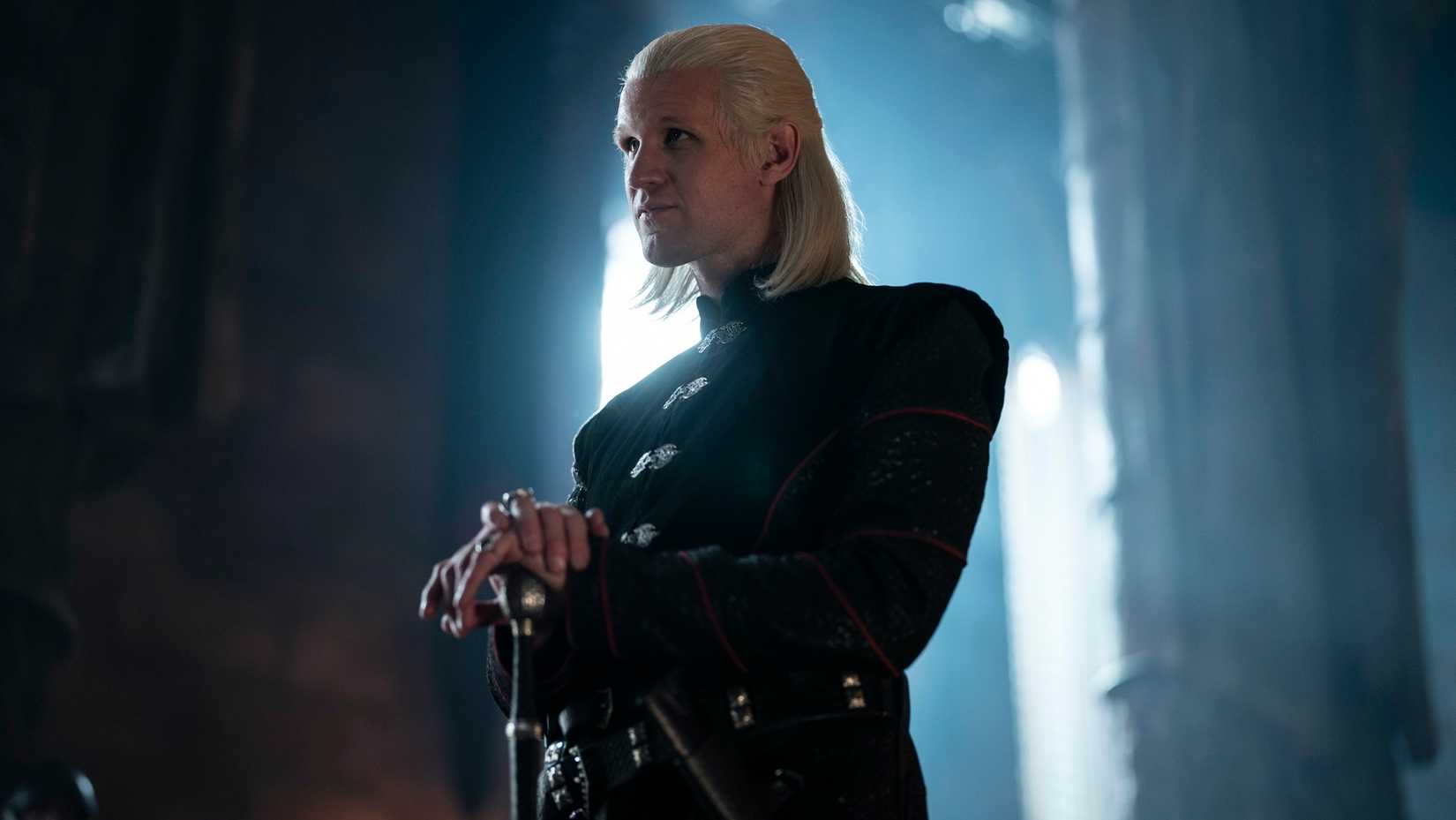
Daemon Targaryen in House of the DragonPhoto: Ollie Upton/HBO
And current Game of Thrones series haven’t sounded alarm bells just yet: Season 1 of A Knight of the Seven Kingdoms wasn’t particularly villain-centric, and the Martin novellas showrunner Ira Parker plans to adapt next are much less Targaryen-friendly. (Though the first season’s abrupt departure from Martin’s canon does raise some concerns.) House of the Dragon’s viewership dropped notably in season 2, but it’s still popular enough that HBO renewed it for two more seasons, which suggests there’s still appetite out there for Targaryen family drama.
All of this is less a concern about any given project or the response to it, and more a concern for the future of the franchise if it continues on the course that the most recent projects are all laying out. There’s still plenty of time for Game of Thrones to continue developing into the expansive multimedia universe its backers so clearly want it to be. They just need to be aware that there’s a clear trap here, in limiting such a universe until it’s only telling one kind of story about one family. We’ve already seen exactly where that leads.