
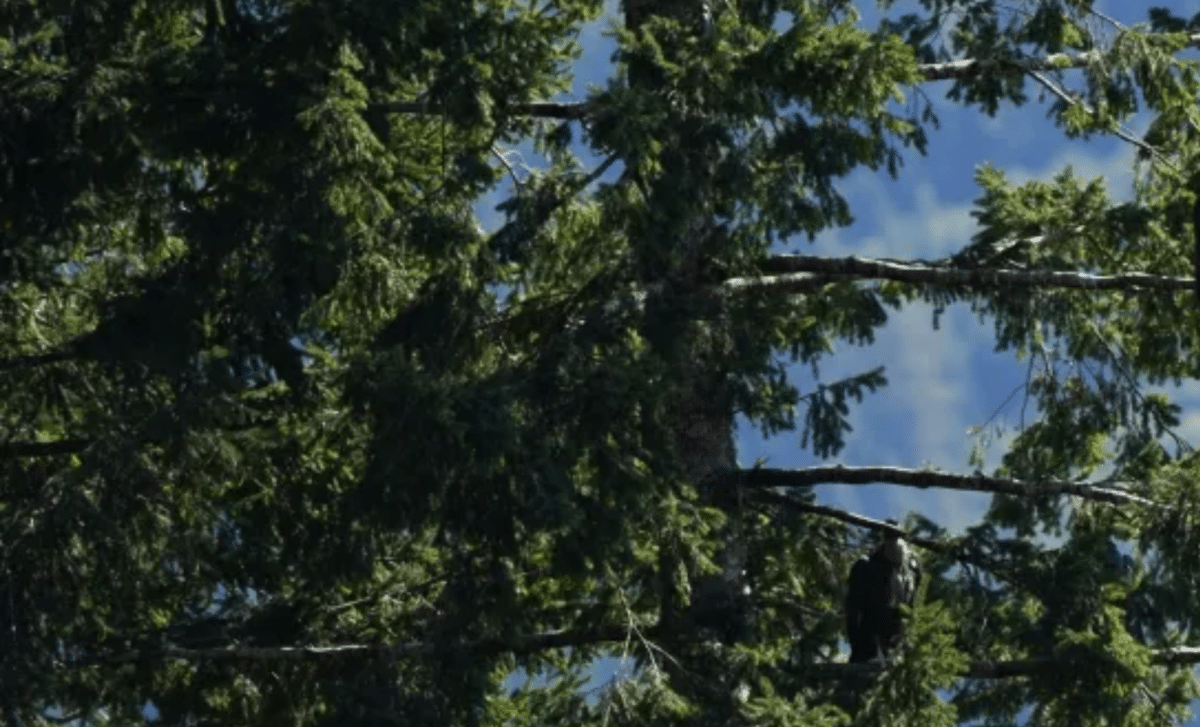
The California condor, once teetering on the brink of extinction, has shown an inspiring resurgence in recent years thanks to tireless conservation efforts. A monumental development has taken place on Yurok tribal land in Northern California: for the first time in over 100 years, endangered condors have been spotted nesting on this sacred land. This remarkable milestone was confirmed by the Yurok Tribe in a recent announcement, as a pair of condors, A0 and A1, are suspected to be incubating an egg.
Condors Return to Northern California
For over a century, the California condor has struggled to regain a foothold in the wild. By the late 1980s, the species had been reduced to a mere 27 individuals, all in captivity. Since then, extensive conservation work, including breeding programs and reintroduction efforts, has gradually helped restore the condor population. The latest development, where condors are believed to be nesting in an old-growth redwood tree on Yurok tribal land, represents a dramatic step forward in this ongoing restoration work. According to KTLA, Yurok Tribe reports, “Strong evidence suggests the birds may be incubating an egg in an old-growth redwood tree,” further cementing this as a groundbreaking moment in conservation history.
This successful nesting could pave the way for a stable and sustainable condor population in the region. The Yurok Tribe, in collaboration with the National Park Service and the U.S. Fish and Wildlife Service, launched the Northern California Condor Restoration Program (NCCRP) in 2021 and 2022, with the aim of reintroducing the species to their traditional lands. This initiative has already led to the re-release of several condors, with A0 and A1 among the first to be freed back into the wild in 2022.
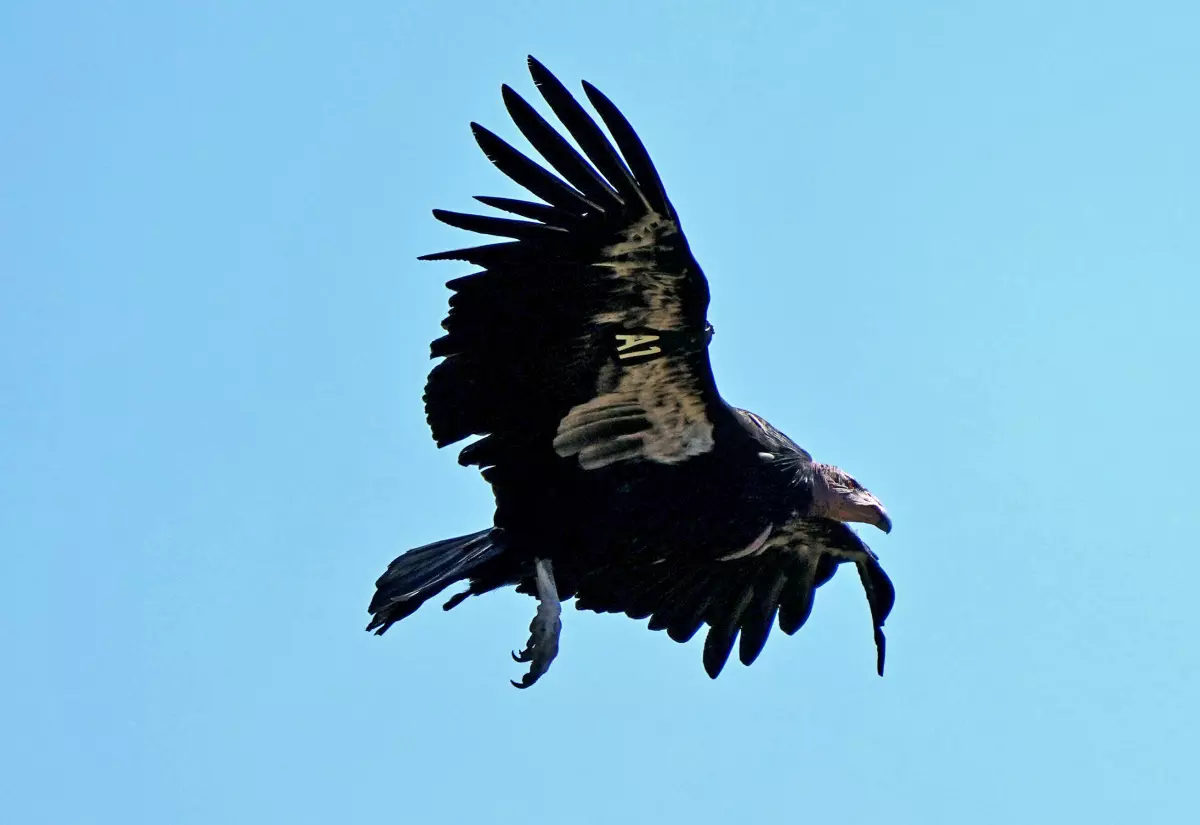 Condor Hlow Hoo-let, or A1, soars across the sky in far Northern California.
(Matt Mais / Yurok Tribe)
A New Hope for the Species
Despite the excitement surrounding this discovery, experts are cautious about getting their hopes too high. Condors, though large and majestic, are not always successful in their initial nesting attempts, particularly when they are first reintroduced to the wild. As Chris West, the Northern California Condor Restoration Program Manager, points out,
“It is important to remember that these are wild birds… if they nest, and how successful they are, is totally up to them, with as little interference from us as possible.”
The birds’ natural instincts will play a crucial role in determining whether this egg will hatch and thrive.
The conditions surrounding this nesting site are challenging, as the redwood tree chosen by the condors is located in a remote area, making it difficult for scientists to monitor closely. Nevertheless, the evidence gathered so far strongly suggests that the pair of condors are successfully incubating their egg. While the success rate of first-time parents is generally low, there is hope that A0 and A1, though young, can defy the odds.
Significance of the Yurok Tribe’s Role in Restoration
The Yurok Tribe has been instrumental in these conservation efforts. For the past several years, they have worked tirelessly to restore wildlife to their ancestral lands. The tribe has even given names to the pair of condors: A0 is called “Ney-gem’ ‘Ne-chweenkah,” which means “She Carries Our Prayers,” and A1 is known as “Hlow Hoo-let,” which translates to “At Last I (or We) Fly!” These names reflect the deep cultural significance of the birds to the Yurok people, as they symbolize both hope and resilience.
“I have been waiting for this moment since the first condors arrived in 2022,” said Tiana Williams-Claussen, Director of the Yurok Wildlife Department. “As a scientist, I know I shouldn’t get my hopes up too high, but that doesn’t mean I can’t cheer for these young parents’ success.”
This personal and professional investment in the condors’ survival speaks volumes about the tribe’s commitment to preserving their heritage and protecting the natural world.