
Collagen is the glue that holds your body together. We have lots of types of collagen but most are type I.
Type I collagen, external gives skin shape and strength, but it starts to break down faster than your body can replace it in your mid-20s. At this age, skin begins to lose thickness and strength at a rate of around 1.5% a year, according to consultant dermatologist and author of The Skincare Bible, Dr Anjali Mahto, external.
That’s why collagen is a popular ingredient in skin creams, but there’s a question about whether it can actually penetrate the epidermis (outer layer of skin).
Injecting collagen isn’t a surefire win for your skin either, as it doesn’t last as long as some alternative fillers and has been associated with complications like allergic reactions.
Type II collagen is a key component of cartilage, external which surrounds joints, so there are also claims that collagen could help improve joint pain, including arthritis and age-related bone issues.
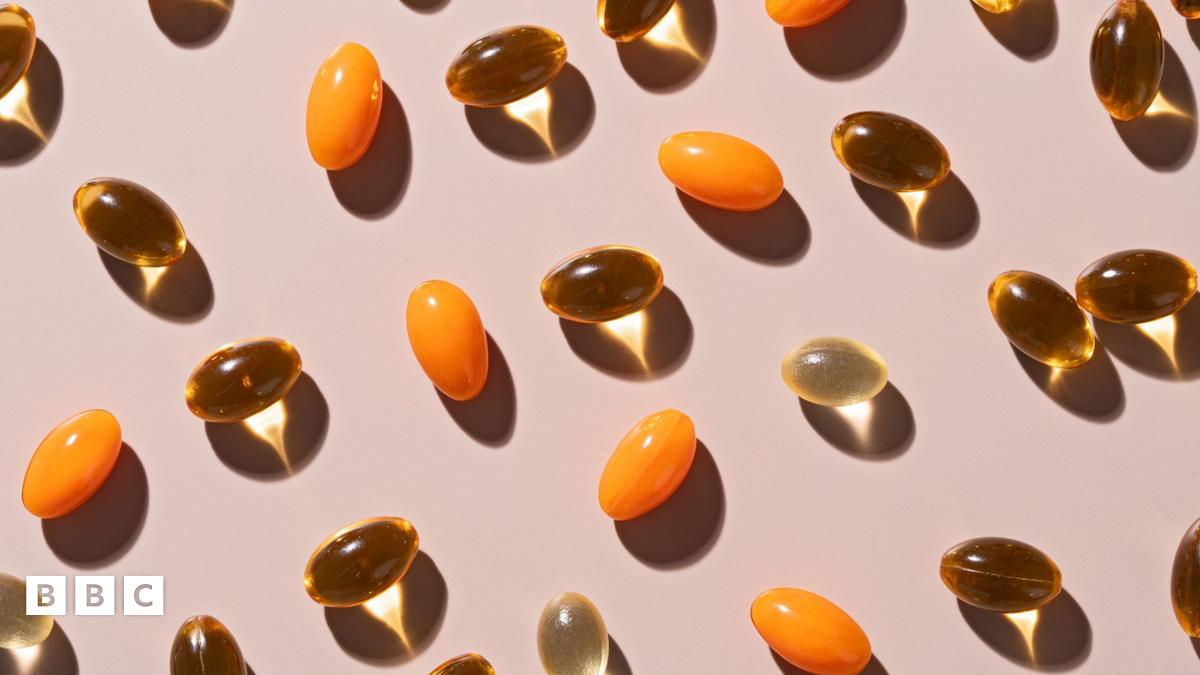
That’s why an increasing number of collagen supplements, designed to improve joints and skin, are appearing in shops.
Flavourings and sweeteners are often added to make them more appealing. But you can also buy unflavoured collagen powder to stir into juices, smoothies, soups and coffee.