
Home » Bahrain Travel News » Germany Joins Saudi Arabia, Kuwait, United Kingdom, Bahrain, Qatar, India, And Many More Countries Coping With Severe Travel Changes As UAE Waived 50 AED Overstay Fine For Stranded Travelers Amid Cross Border Several Strikes And West Asia Crisis
Published on
March 7, 2026
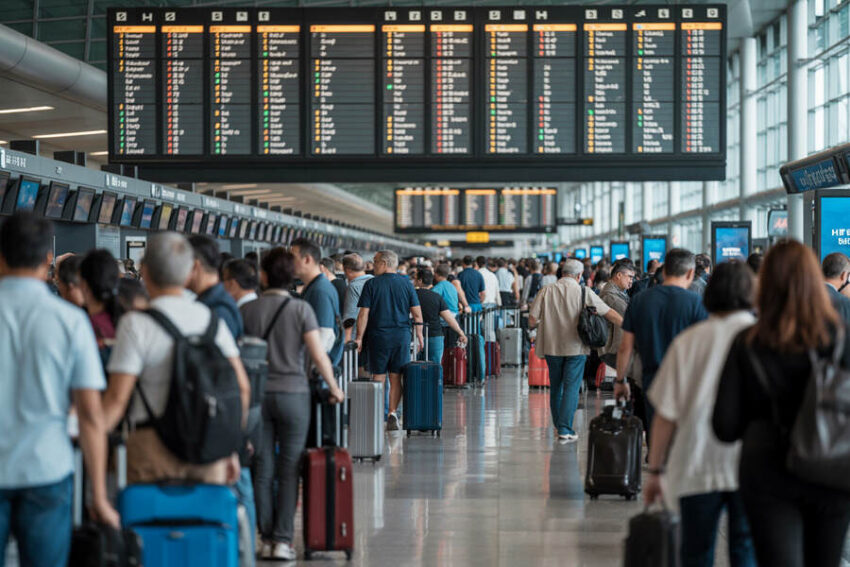
Image generated with Ai
Germany has joined Saudi Arabia, Kuwait, the United Kingdom, Bahrain, Qatar, India, and many other countries in grappling with severe travel changes caused by cross-border strikes and the ongoing crisis in West Asia. As these nations face challenges in managing the chaos, the UAE has stepped in to provide relief by waiving the 50 AED overstay fine for stranded travelers. This move comes in response to widespread travel interruptions, including flight cancellations and delays, as geopolitical tensions and labor strikes continue to affect air travel across the region.
As the political crisis between Iran, Israel, and the United States continues to reverberate across the Middle East, the global travel and aviation sectors have been thrown into disarray. The closure of key airspaces and massive flight disruptions have affected millions of travellers worldwide. Countries such as Germany, Saudi Arabia, Kuwait, United Kingdom, Bahrain, Qatar, India, and many others have all found their international travel routes severely impacted. Amidst this turmoil, the UAE has implemented emergency measures by waiving overstay fines for tourists and residents unable to leave due to the flight disruptions. This article delves into the details of the ongoing crisis, the countries most affected, the UAE’s overstay fine waiver, and essential travel tips for those caught in this global aviation nightmare.
The Sky’s Closed: Why Middle Eastern Airspace Shut Down
The chaos began in late February 2026 when tensions between Iran and the United States, escalated by military strikes, led to the partial or total closure of several Middle Eastern countries’ airspace. Airlines were left with no choice but to cancel or reroute flights as regions across the Middle East became increasingly unsafe for air travel. UAE, Saudi Arabia, Kuwait, Bahrain, and Qatar were among the most affected, as their national airspace became impassable for international flights. Authorities in Dubai dealt with a minor incident caused by the debris of an intercepted missile on Saturday. Meanwhile, flights hovered above the Dubai airport for a while before heading towards it again, data from FlightRadar24.com showed. This added to the already complex travel situation, further disrupting air traffic and stranding passengers across the region.
This airspace crisis directly impacted countries around the world, including Germany, India, the United Kingdom, and other major international hubs. For passengers whose flights were cancelled or rerouted due to the ongoing airspace crisis, travel plans were thrown into disarray, and many found themselves stranded in their airports or at their destinations. This unexpected situation has led to unprecedented delays and cancellations, creating a ripple effect in the aviation industry globally.
Advertisement
Advertisement
Countries Most Affected by the Airspace Crisis
The airspace crisis in the Middle East has left travellers stranded worldwide. Here is a list of countries whose citizens were most impacted by the flight disruptions:
GermanyUnited StatesSaudi ArabiaKuwaitUnited KingdomBahrainQatarIndiaRussiaChinaCanadaFranceAustraliaSouth KoreaJapanTurkeyBrazilSpainJordan
These countries, among others, have faced varying levels of disruption, with some flights cancelled outright and others delayed due to the airspace restrictions. Passengers were forced to find alternative routes or face lengthy delays in reaching their destinations. Airlines such as Emirates, Qatar Airways, British Airways, and Air India were among those most affected, with major hubs in Dubai, Doha, London, and Delhi seeing mass cancellations.
Advertisement
Advertisement
UAE’s Overstay Fine Waiver: A Lifeline for Stranded Travellers
In response to the growing crisis, the UAE government has enacted emergency measures to help mitigate the impact on international travellers. The Federal Authority for Identity, Citizenship, Customs, and Ports Security (ICP) has waived overstay fines for all travellers who were unable to leave the country due to flight cancellations caused by the airspace shutdown.
Normally, the UAE imposes a fine of AED 50 per day for any traveller who overstays their visa. However, due to the extraordinary circumstances, this fine has been waived for those stranded in the UAE from 28 February 2026 onward. The policy extends to all categories of travellers, including:
Advertisement
Advertisement
Tourists on tourist visasVisitors on visit visasResidents who had their residency cancelledExit permit holdersOther stranded travellers unable to leave due to the ongoing disruptionsImpact of the Waiver
The UAE’s decision to waive the fines is a major relief for travellers who were already under significant stress due to the airspace crisis. The waiver ensures that individuals are not further burdened by unexpected fines for staying longer than their visa permits due to circumstances beyond their control. This decision reflects the UAE’s commitment to offering support during times of geopolitical turmoil, especially to those who are unexpectedly trapped due to the airspace crisis.
Breakdown of the Overstay Fine Waiver Policy
Here’s a quick breakdown of the UAE’s overstay fine policy during the current crisis:Traveller CategoryNormal Overstay Fine (per day)Current Waiver StatusTourist Visa HoldersAED 50/dayWaivedVisit Visa HoldersAED 50/dayWaivedExit Permit HoldersAED 50/dayWaivedResident Permit HoldersAED 50/dayWaived
As indicated in the table above, the usual AED 50 daily fine for overstayers is fully waived for travellers stranded due to the geopolitical crisis in the Middle East. Travellers who already paid these fines can apply for a refund by presenting appropriate documentation. This includes flight cancellation records, airline communications, and hotel stay receipts that substantiate the claims of being stranded due to flight disruptions.
Airlines and Flight Operations: The Road to Recovery
In the wake of these disruptions, the aviation industry has been working hard to restore flight operations. Some airlines are now resuming limited services, with Emirates and Qatar Airways leading the way in progressively reopening flight routes. Special repatriation flights have been arranged to ensure passengers can return home, while many travellers are being rerouted through open airspace corridors.
Although the situation is slowly improving, experts caution that travel may remain volatile for the next few weeks, especially for passengers with layovers in affected countries. Many travellers are advised to check with airlines regularly for the latest updates and rescheduled flights.
Travel Tips for Stranded Passengers
If you are caught up in this travel disruption, here are a few essential travel tips to help manage the situation:
1. Stay Informed
Regularly check with your airline and local authorities for updates. Many airlines are now sending notifications via email and text regarding flight status and new routes. You can also use travel apps like FlightAware or FlightRadar24 to monitor real‑time flight data.
2. Document Your Situation
Keep all documents related to your original travel plans, including flight tickets, hotel receipts, and airline notifications of cancellations or delays. These may be required for the overstay fine waiver and refunds.
3. Contact Your Embassy
If you’re stranded and unsure of your next steps, your embassy or consulate is the best point of contact. They can assist with emergency travel documents and offer guidance on exit routes.
4. Stay Connected with Airlines
While waiting at airports, ensure you’re in contact with your airline’s customer service for any special arrangements or alternative flight routes available.
5. Plan Alternative Travel
If your intended route has been cancelled, consider alternative travel methods or rerouting via non‑affected airspace. Some airlines have partnered with other carriers to help stranded passengers reach their destinations.
Wider Regional Impact: Other Countries Responding to the Crisis
As the situation continues to unfold, other countries have introduced similar measures to help their stranded citizens. Here’s how other countries have responded to the airspace crisis:
Saudi ArabiaVisa Extensions: For any visitor or resident unable to depart due to flight cancellations, one‑month visa extensions are automatically granted.Support for Airlines: Saudia Airlines has offered discounted rebooking options for affected passengers.KuwaitVisa Waivers: All affected visitors will have their visas automatically extended until further notice.Government Assistance: Kuwait Airways offers flexible rebooking policies for passengers stranded due to cancellations.BahrainExtended Stays: Bahrain’s Ministry of Interior has issued guidance allowing visitors to extend their stay without penalty for up to two months in cases of airspace restrictions.Visa Support: Visitors can apply for emergency exit permits without being penalised.QatarAutomatic Visa Extensions: Qatar announced that all foreign nationals stranded in Qatar due to cancelled flights will have their visa expiry dates extended automatically.
The ongoing Middle East crisis has caused a ripple effect across global aviation, impacting millions of passengers. However, the UAE’s overstay fine waiver, along with similar measures by other Middle Eastern nations, provides much‑needed relief for those stranded by the crisis. While the situation remains fluid, travellers are encouraged to stay informed, keep all documentation, and work closely with airlines and local authorities to navigate the disruptions.
Germany has joined several countries, including Saudi Arabia, Kuwait, and the UK, in facing severe travel changes due to ongoing cross-border strikes and the West Asia crisis. In response, the UAE has waived the 50 AED overstay fine for stranded travelers, offering relief amid the turmoil.
For now, the best course of action for any affected traveller is to stay patient, proactive, and always in touch with relevant authorities or their embassy. With the airspace crisis slowly easing, it is only a matter of time before normal travel resumes, but until then, the region’s travel relief measures are a beacon of hope.
