
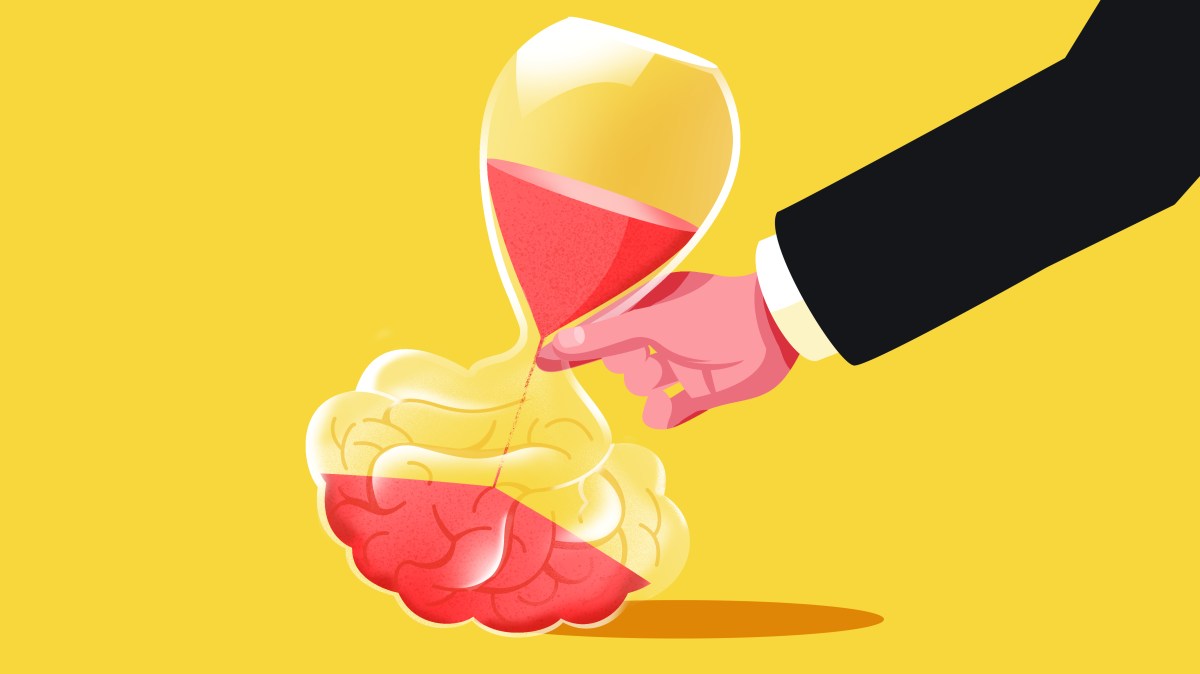
After being told they were in the early stages of Alzheimer’s disease, some of Dr Majid Fotuhi’s patients were preparing to put their affairs in order. Then his advice changed everything for them.
One of the leading neuroscientists in America, Fotuhi, 63, fled post-revolutionary Iran for Canada in 1982, before moving to the US and completing his PhD in neuroscience at Johns Hopkins University. He attended Harvard Medical School, returning to Johns Hopkins for his neurology residency. There, in the early 2000s, that he began to question the prevailing orthodoxy.
He realised that many people were being diagnosed with Alzheimer’s who didn’t yet need to be. “They had treatable conditions that were contributing to cognitive decline, yet their problems were being put down to plaques and tangles,” he says.
At the time the scientific conversation was dominated by “plaques and tangles” — protein deposits in the brain that cause Alzheimer’s and, to a lesser extent, other forms of dementia. But working with patients with mild cognitive impairment, which he describes as a transitional state between normal ageing and Alzheimer’s, Fotuhi saw something messier. Obesity, diabetes, high blood pressure, sleep apnoea, chronic stress, depression and inactivity were contributing to shrinking brains. “Late-life cognitive decline is due to a soup of problems, and many of the components are treatable. It’s a tragedy to miss that.”
• When it comes to brain health, scientists say use it or lose it
Recently retired from clinical practice, he has written a book, The Invincible Brain, in which he sets out a 12-week programme designed not merely to slow cognitive decline but, in some cases, reverse early damage. In 2012 he tested his hypothesis on 129 adults, most in their seventies and early eighties. He treated them according to what he now calls his “five pillars” of brain health — fitness, sleep, nutrition, stress reduction and brain training. Even he was surprised by the results.

The neurologist Dr Majid Fotuhi
Patients who had been told they were in the early stages of Alzheimer’s were memorising word lists and decks of cards. Not only did 84 per cent of participants show improvements on standardised cognitive tests, but MRI scans showed that more than half increased the size of their hippocampus, the part of the brain crucial for memory, by an average of 3 per cent. (The hippocampus typically shrinks by about 1 per cent annually after the age of 50.)
His results showed that the most important pillar was exercise. It gives “the biggest return on investment”, he says. It increases blood flow to the brain and raises levels of a molecule called brain-derived neurotrophic factor (BDNF), sometimes called “brain fertiliser” because it supports the growth of neurons, the brain cells that transmit information throughout the body. “Go for a walk, take a dance class, anything to get you moving,” he says. The key is to do it regularly.
Sleep also proved to be crucial. “Make it a priority to sleep seven to eight hours a night,” he says. “People tell me, ‘Nobody sleeps for eight hours these days.’ Well, you don’t have to be part of the crowd that doesn’t do well. People used to say, ‘I can’t quit smoking — everybody smokes.’ You can.”
His diet advice is simple: eat less ultraprocessed food and more whole foods — the latter reduce inflammation in the brain and support the health of blood vessels.
• This ‘brain speed’ game might cut your dementia risk — now play it
You also need to challenge your brain, for example learning strategies to memorise names. “So many people have difficulty remembering names and tell themselves it’s the beginning of the end,” he says. “But you can learn. It simply requires effort.” When you meet someone new, he suggests imagining you’ll get £10,000 if you memorise their name — the excitement fires up your prefrontal cortex — then following a four-step process (with the acronym “Name”): notice their face in detail; ask their name and repeat it; learn it by repeating it again during your conversation; and ensure you know how to pronounce and spell it. Then think of that £10,000 again.
We shouldn’t stress about stress, he says, but we should rethink our attitude to it. Chronic, unrelenting stress elevates cortisol in ways that are damaging. But short bursts, known as “eustress”, can sharpen focus. The goal is balance: to spend most of one’s time in a calmer state, with the capacity to engage those stress hormones when needed.
Fotuhi does not claim to be able to cure advanced Alzheimer’s. But for those in midlife or early decline, his message is hopeful.
• Three cups of tea or coffee ‘lowers risk of dementia by almost a fifth’
“We are not doing enough to keep our brains healthy,” he says. “We’re accepting decline because we think that’s what should happen.
A change of mindset is required. “You see people in their sixties going to the gym, getting buff. The same applies to the brain. It’s like a muscle: the more you take care of it, the stronger it gets — at any age.”.
The Invincible Brain by Dr Majid Fotuhi (Headline Home £22). To order a copy go to timesbookshop.co.uk. Free UK standard P&P on orders over £25. Special discount available for Times+ members
Dr Fotuhi’s five pillars of brain health
NATHALIE LEES FOR THE SUNDAY TIMES MAGAZINE
1. Exercise regularly
If you do only one thing for your brain, move your body every day. Even brisk walking increases blood flow and stimulates powerful growth factors — proteins that help new neurons to grow and form connections. Regular aerobic exercise has been shown to increase the size of the hippocampus, the brain’s memory centre. Movement is the most powerful tool we have to build brain resilience.
2. Get enough sleep
It’s crucial to sleep seven to eight hours a night. During deep sleep, the brain activates its natural clearance system, removing metabolic waste products, including proteins linked to Alzheimer’s. Sleep also consolidates memory and restores attention. Even a week of short sleep can impair focus and learning. Long-term sleep deprivation or sleep apnoea are associated with profound shrinkage in the brain.
3. Eat properly
What you eat every day directly influences your brain’s vitality and level of performance. Adopting a Mediterranean-style diet rich in leafy greens, berries, olive oil, nuts, beans and fish will reduce inflammation and oxidative stress, two processes that damage brain cells over time. Healthy fats, particularly omega-3 fatty acids, are critical brain vitamins and support neuronal membranes, while antioxidants help protect against cellular injury.
• Read more expert advice on healthy living, fitness and wellbeing
4. Reduce your stress levels
Keeping calm can make your brain bigger. Practise slow breathing daily: spend five minutes practising slow, controlled breathing while focusing on the flow of air in your nostrils. It’s a simple habit that will help you calm the stress response, lower cortisol levels and improve emotional regulation. Chronic stress is linked to a reduced hippocampus, while relaxation practices expand its volume.
5. Train your brain
Challenge your brain the right way with activities that are new, fun and engaging. Learning a language, practising a musical instrument or taking up dancing pushes the brain to build new pathways, unlike passive activities such as endless scrolling, which offer little cognitive stimulation. The goal is not just to stay busy, but to stretch your mind in ways that demand attention, memory and flexibility.