
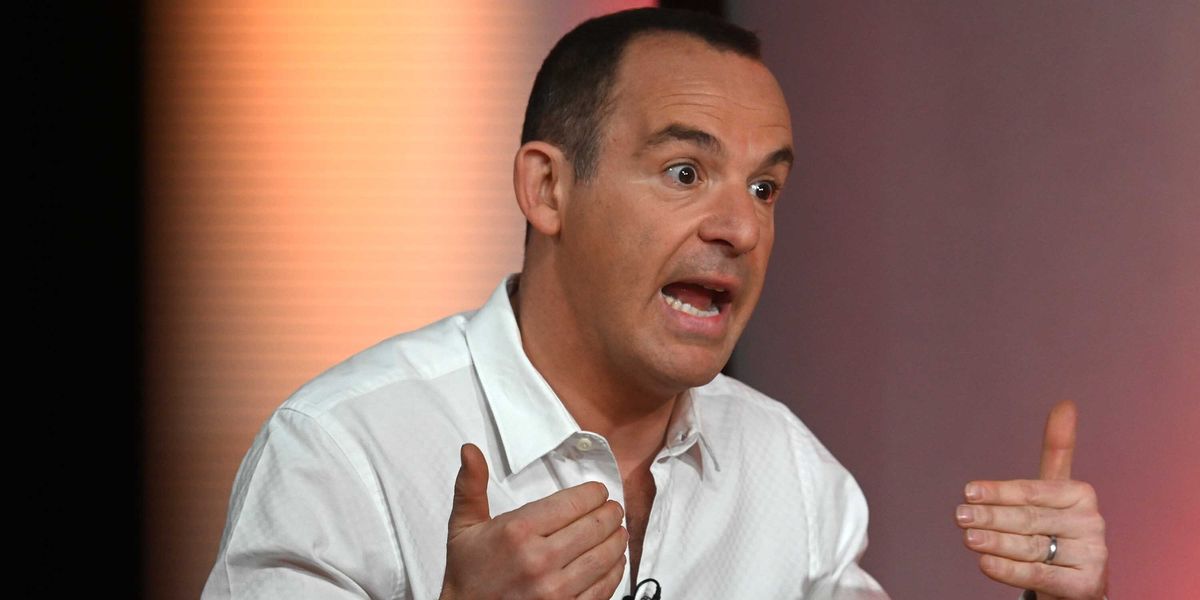
Money saving expert Martin Lewis is urging people to stock up on stamps before prices rise again next month.
First-class stamps will increase by 10p to £1.80 from April 7.
Second-class stamps will also rise by 4p to 91p.
The latest increase means the price of a first-class stamp has risen by around 137 per cent over the past six years.
The changes follow eight separate price rises introduced during that period.
Mr Lewis said people could avoid paying the higher price by buying stamps now before the increase takes effect.
He said: “For years, every time stamps go up in price I’ve suggested people stock up and bulk-buy in advance, as long as the stamp doesn’t have a price on it and instead just says the postage class, it’s still valid after the hike.”
Mr Lewis added: “So you may as well stock up now, even if it’s just for Christmas cards for the next few Christmases.”
Under Royal Mail rules, stamps that display only the postage class rather than a specific price remain valid even after price increases.
The price rise comes as Royal Mail continues to face criticism over delivery performance.
Further changes to postal services could increase concerns
|
Martin Lewis
The company has not met its annual delivery targets for first-class post since the 2019/20 financial year.
Consumer organisation Citizens Advice said many households remain uncertain about whether important letters will arrive on time.
Anne Pardoe, head of policy at Citizens Advice, said: “More than half-a-decade has gone by since the company met its delivery targets and people still face a gamble, with many uncertain if their important documents or letters like medical appointments will arrive on time.
“Against this backdrop, Ofcom simply cannot wave through these increases any longer.
“Higher prices must come with higher standards increases should be tied to Royal Mail’s performance on the doorstep.”
Royal Mail said the price increases reflect the rising costs of delivering letters across the UK.
The company currently delivers mail to around 32 million addresses.
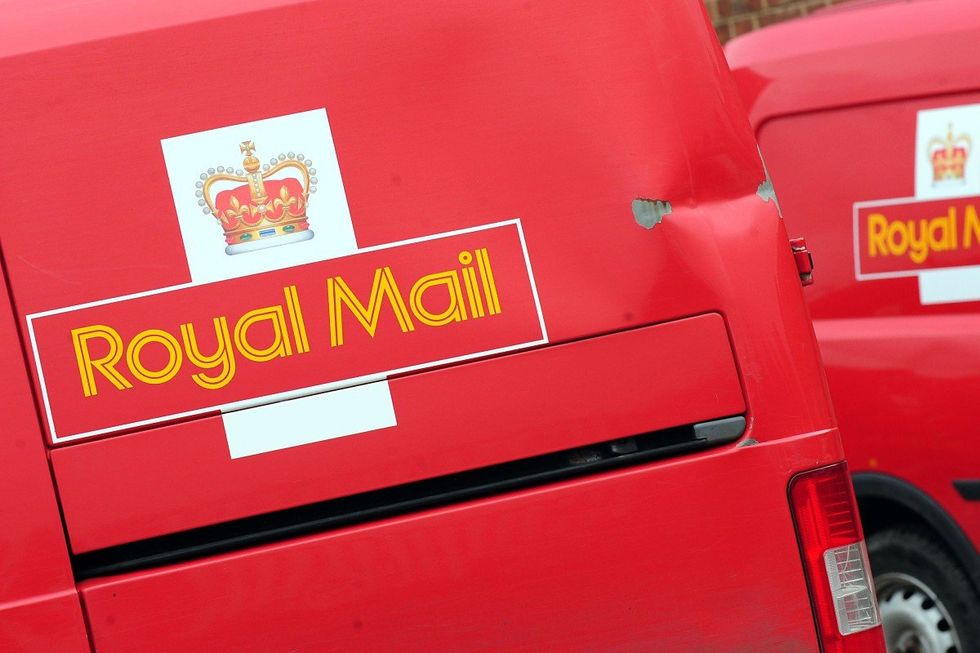
That is approximately four million more than it served two decades ago
| PA
However, the volume of letters handled by the postal service has fallen significantly during the same period.
Royal Mail said the number of letters delivered has declined by about 70 per cent compared with levels seen 20 years ago.
Richard Travers, managing director of letters at Royal Mail, said the company had carefully considered the price changes.
He said: “We always consider price changes very carefully, balancing affordability with the rising cost of delivering mail.”
Mr Travers said the average UK adult spends around £6.50 per year on stamps.
Royal Mail also said stamp prices in the UK remain broadly comparable with other European countries.
According to the company, second-class equivalents in Europe average £1.56, while first-class equivalents cost around £1.93.
Members of Parliament have also raised concerns about postal delays following disruption during the Christmas period.
Royal Mail’s parent company, International Distribution Services, was acquired last year by Czech billionaire Daniel Kretinsky through his investment firm EP Group.
The £3.6billion deal completed in June.
The postal operator has also been seeking reforms to the UK’s universal service obligations.
Last year the regulator Ofcom approved plans allowing Royal Mail to end Saturday deliveries for second-class letters.
Under the proposals, second-class post could instead be delivered every other weekday.
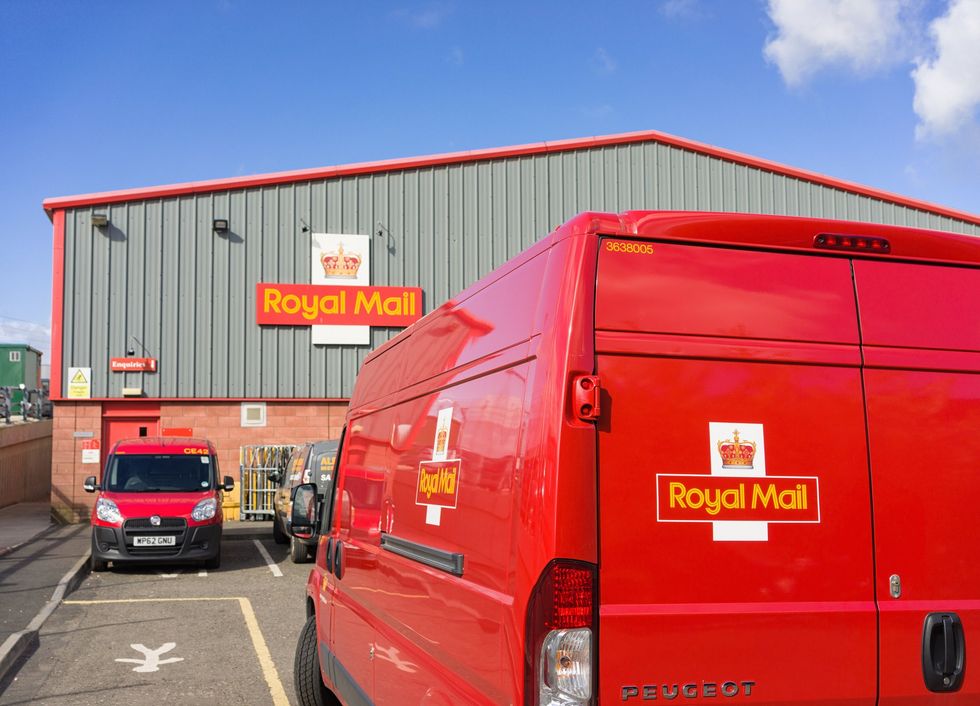
Royal Mail has begun trialling the new arrangements at 35 delivery offices
|
GETTY
However, efforts to introduce the changes across the company’s network of around 1,200 sites have faced delays.
Negotiations with the Communication Workers Union broke down on March 2 after a month of discussions.
Both sides have since agreed to extend talks for a further two weeks.
Mr Travers said changes to the universal service would be necessary to ensure the long-term sustainability of the postal network.
He said: “To protect the service for the future, we need to urgently move forward with implementing universal service reform to support a more modern, more reliable and more sustainable service for our customers.”