
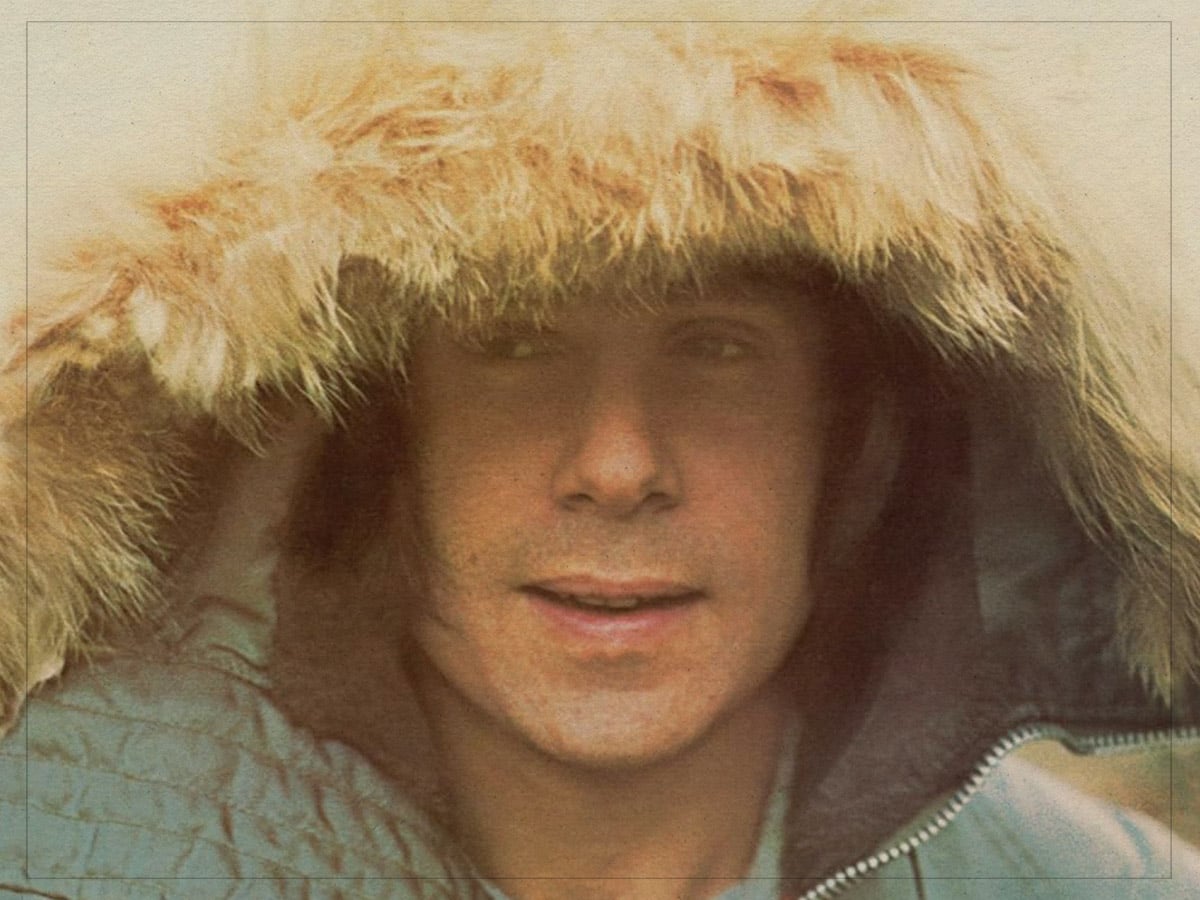
(Credits: Far Out / Columbia Records)
Sun 8 March 2026 16:00, UK
Paul Simon is usually very particular about what he wants out of any number of his songs.
He was always looking to do something much more than folk rock ever since the Simon and Garfunkel days, and if Art Garfunkel had a problem with including one of his more experimental tracks on one of their records, that was frankly too damn bad. But even when Simon had a clear picture in his head about how he wanted the song to go, that didn’t always mean that he was the right guy for the job whenever he started to play the thing.
I mean, half of the greatest albums that Simon ever made relied heavily on the people that he surrounded himself with. Yes, there was Garfunkel in the beginning to help fill out those harmony parts, but there’s no way that an album like Graceland could have been without all those sessions musicians coming in to fill out the sound. Those songs grew out of those jams, and if he was left to his own devices, ‘Diamonds on the Soles of Her Shoes’ probably wouldn’t have sounded nearly as beautiful as what it ultimately turned into.
And that wasn’t just when he started working in “world music” into his sound. The concept of experimenting like that stretched all the way back to ‘El Condor Pasa’ on Bridge Over Troubled Water, and some of the greatest records of his solo career had a heavy emphasis on different rhythms. His solo debut scans properly as a Paul Simon record from skin to core, but even when working on Still Crazy After All These Years, there were more than a few times where he started handing pieces off to some of his favourite session players.
Because when you have a drummer like Steve Gadd in your ranks, you’re going to want to show him off at every opportunity. As a duo, emphasising the rhythm wasn’t always a priority, but with Gadd on drums and Tony Levin on bass throughout the entire record, there were more than a few elements of everything from traditional rock and roll drumming to the vaguest hints of fusion in other parts of the album.
If there’s one thing that Simon excelled at, though, it was the ballads, and the title track is still one of the best mellow jams that he made during the 1970s. The lyric is a little bit more existential about how he sees himself after spending this much time in the public eye, but even though the actual piano accompaniment is fantastic, Simon would be the first to say that he doesn’t have the slightest idea of how to play what he wrote.
There are more than a few songs that fade from the mind after a while, but since Simon only learned the tune on guitar, he wasn’t even going to think about trying to match what the original recording was, saying, “It’s funny, that’s one of several of my songs that I gave over to be played on piano, and I can’t remember what the chords are anymore. Because I never play them. I don’t know what the chords are to ‘Still Crazy’. I could figure it out, but I don’t know what they are. If somebody said, ‘Play ‘Still Crazy’ on the guitar,’ I couldn’t play it.”
But that shouldn’t really be a knock against Simon at this point. He’s already been the author or so many great picking lines throughout rock history, and even if he isn’t doing all that much whenever he sings the song live, it’s a lot more aesthetically pleasing to see him singing the tune as he’s getting more grey hairs than focusing on which inversion of the chord needs to be played at the end of the verse.
He was willing to put in the work and study as much as he could to get one of his songs right, but for someone that’s been in the business as long as he has, there are bound to be moments like this where you can really cut loose a little bit. There was still a set structure to the whole thing, but it was a lot more fun for him to jam and see where the song would take him depending on whose rendition he had behind him.