
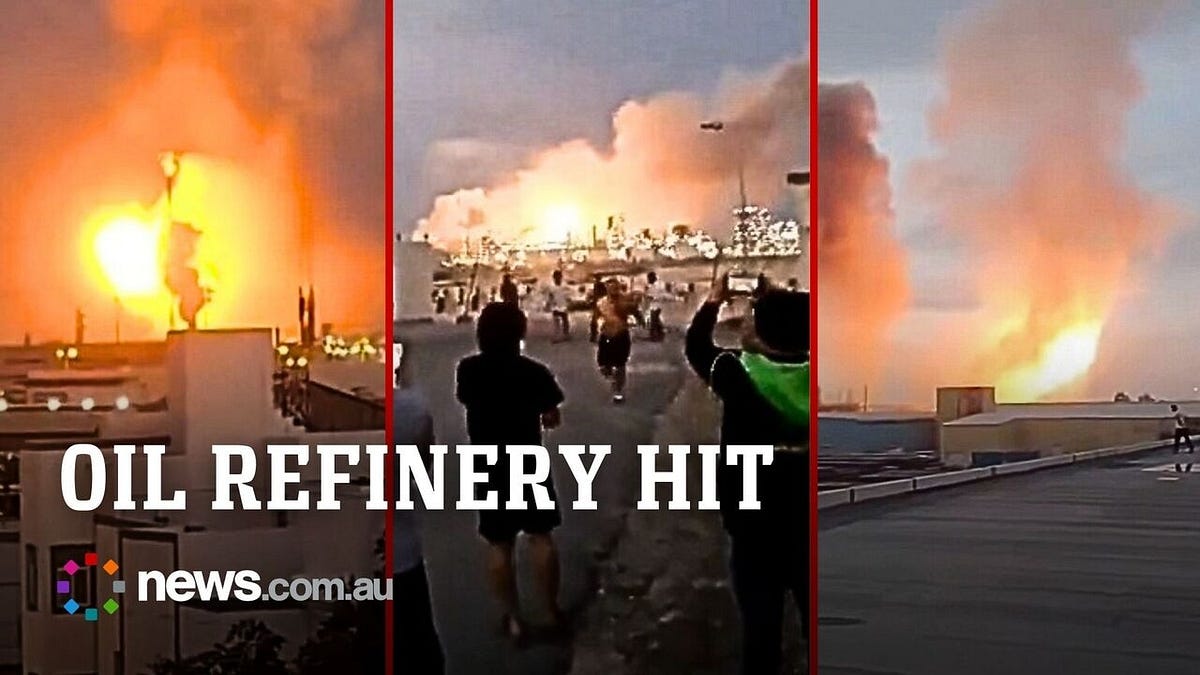
In October 1973, on Yom Kippur — the Day of Atonement — Syria and Egypt launched a surprise attack on Israel. After desperate fighting, the Israelis gained the upper hand, thanks in part to a huge airlift of weapons from the United States.
The Arab world erupted in rage, and oil producers temporarily embargoed exports to the U.S. and other nations that had supported Israel. The result was the first of a series of oil crises that wreaked global economic havoc.
And here we are, almost 53 years later, with a war in the Middle East causing a major disruption of world oil supplies. We don’t know yet how bad this will get. As I write this, analysts are divided. Basically, oil experts’ hair is on fire — the Strait of Hormuz is closed! — while macroeconomists are relatively calm, arguing that we’re not as vulnerable to an oil shock as we were two generations ago.
One thing is clear: It’s important to understand the risks and learn what lessons we can from the past. So today’s primer will be devoted to oil crises, past and possibly future.
Not to be coy about it: The disruption of world oil supplies caused by the war in Iran looks extremely serious. Indeed, if the Strait of Hormuz remains closed for an extended period, this will be a worse disruption than either the aftermath of the Yom Kippur War or the aftermath of the 1979 Iranian revolution. Hence the alarm of oil experts.
However, the U.S. economy and other major economies have changed greatly since the 1970s. They have become much less dependent on oil, and they are probably much less prone to experiencing inflationary spirals in the aftermath of an oil price shock. Hence the relatively relaxed attitude of macroeconomists.
Beyond the paywall I will address the following:
1. The history of oil crises, from the Yom Kippur War to Operation Epic Fury
2. Why oil shocks did so much economic damage in the 1970s
3. How the economics of oil have changed since 1973
4. Scenarios for the economic impact of the Iran War