
ⓘ pratik prasad via Unsplash
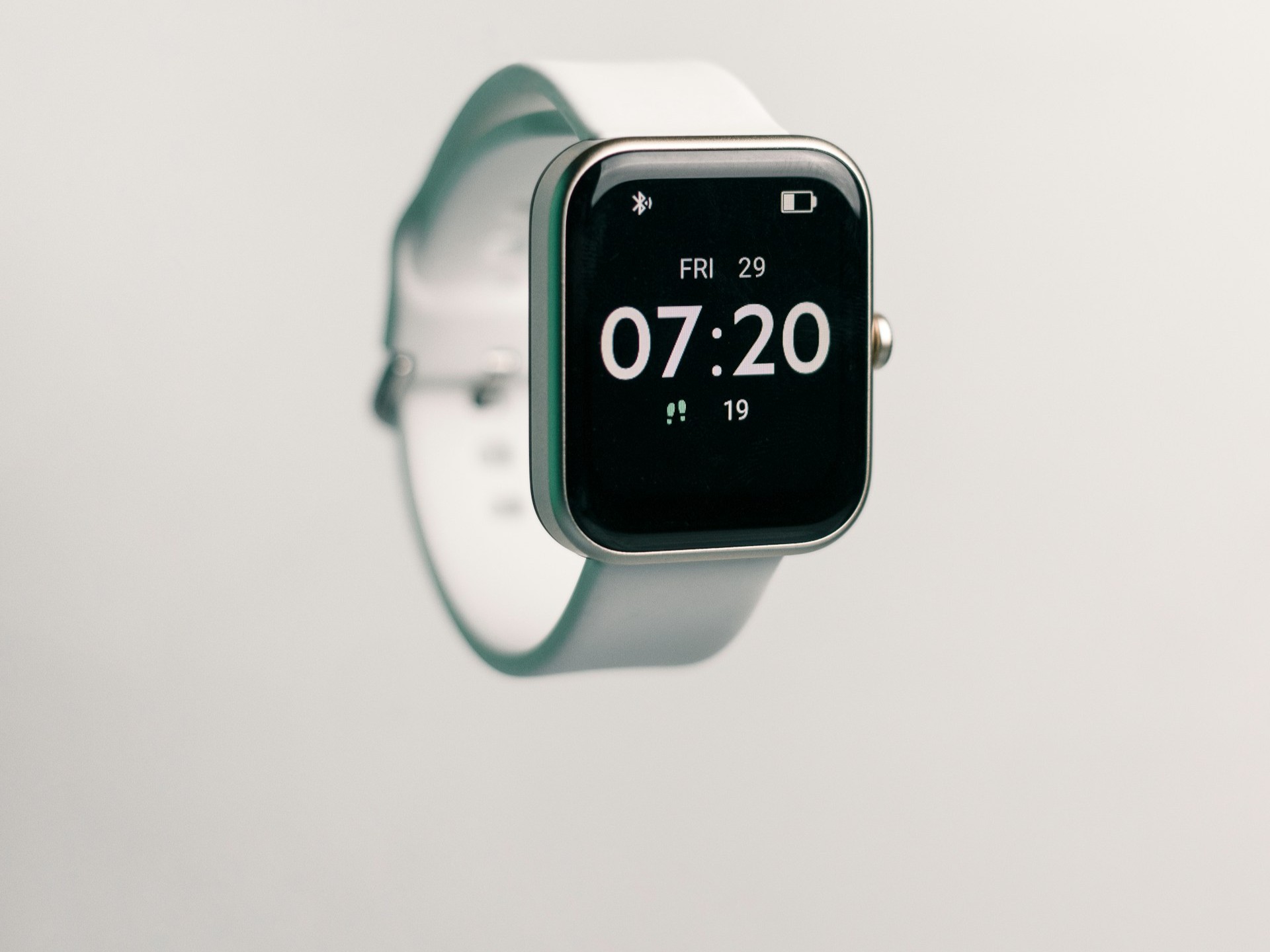
A smartwatch
Researchers have broken a performance bottleneck by designing a sponge-like thermoelectric material that traps heat while letting electricity flow, paving the way for self-powered electronics.
Over 60% of the global energy is lost as waste heat. To capture this lost energy, a research team from the Institute of Chemistry under the Chinese Academy of Sciences has created a highly flexible material that converts heat directly into electricity without producing pollution. Published in the journal Science, the new irregular hierarchical-porous thermoelectric polymer offers a continuous power supply solution for wearable devices like smartwatches by leveraging ambient temperature differences, such as body heat.
For these materials to work efficiently, they must conduct electricity well while preventing heat from escaping. Traditionally, flexible plastics struggle with this balance. The researchers solved this by blending a polymer with a separating agent, which was later removed to create a network of randomly shaped, microscopic, and nanoscale holes. This sponge-like structure physically blocks the microscopic vibrations that normally carry heat through a solid, effectively reducing heat loss by 72%.
Simultaneously, the confined spaces within the porous structure force the polymer molecules to pack together much more tightly and neatly than usual. This improved structural alignment creates highly efficient channels for electrical charges to travel through, boosting electrical mobility by at least 25%.
By successfully untangling heat flow from electrical flow, the optimized film achieved a record efficiency score — known as a thermoelectric figure-of-merit — of 1.64 at roughly 70 degrees Celsius. This establishes a new benchmark, surpassing the previous polymer record of 1.28 and even outperforming flexible inorganic materials. Unlike traditional high-performance materials that require complex preparation, the researchers say this new film can be manufactured at a large scale and low cost using simple spray-coating techniques akin to printing a newspaper.
 Chibuike Okpara – Tech Writer – 438 articles published on Notebookcheck since 2024
I have always been fascinated by technology and digital devices my entire life and even got addicted to it. I have always marveled at the intricacy of even the simplest digital devices and systems around us. I have been writing and publishing articles online for about 6 years now, just about a year ago, I found myself lost in the marvel of smartphones and laptops we have in our hands every day. I developed a passion for learning about new devices and technologies that come with them and at some point, I asked myself, “Why not get into writing tech articles?” It is useless to say I followed up the idea — it is evident. I am an open-minded individual who derives an infinite amount of joy from researching and discovering new information, I believe there is so much to learn and such a short life to live, so I put my time to good use — learning new things. I am a ‘bookworm’ of the internet and digital devices. When I am not writing, you will find me on my devices still, I do explore and admire the beauty of nature and creatures. I am a fast learner and quickly adapt to changes, always looking forward to new adventures.