
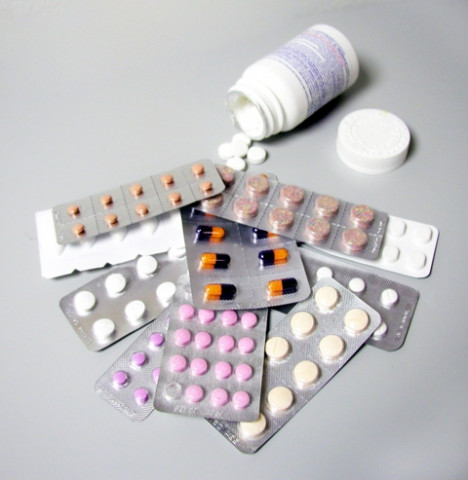
Supply of medicines, baby milk, and vaccines is likely to be affected by ongoing war in Gulf
KARACHI:
The ongoing conflict involving Iran, Israel, and the United States has disrupted Pakistan’s imports of life-saving and essential medicines, raw materials for pharmaceutical production, baby formula, and various vaccines due to the suspension of international flights.
If the war prolongs, importers warn that Pakistan could face severe shortages of medicines and vaccines, which may result in a dramatic increase in drug prices.
Additionally, following a rise in petrol prices due to the conflict, prices of medicines and other essential goods have increased unofficially, putting further strain on already struggling citizens. Healthcare has become largely unaffordable for the public, and further inflation could endanger patients’ lives.
Pakistan has been unable to produce raw materials for medicines domestically even after 70 years of independence. With the conflict expanding to involve Gulf countries, raw materials that normally come via Dubai are now facing import difficulties.
Pakistan’s stock of pharmaceutical raw materials is sufficient for only one and a half months. Additionally, medicines that were previously smuggled from Iran are currently unavailable.
Healthcare experts warn that Pakistani workers returning from Gulf countries due to the war will put additional pressure on domestic health facilities. Baby formula in Pakistan is mostly imported, and prolonged conflict could lead to a severe shortage.
Mohammad Atif Hanif Baloch, president of the Wholesale Chemists Council of Pakistan, revealed that the prices of life-saving medicines have been rising unofficially over the past two years.
“If the war in Gulf countries continues, prices of all medicines could rise dramatically, including cancer, diabetes, insulin, and heart medications. The war could also cause a severe shortage of baby formula, which is entirely imported, along with a sharp price increase.
“Many essential medicines already see price hikes every two months, and there is currently no strategy to control these prices. Most of these medicines are used by low-income populations, and essential treatments such as chemotherapy injections, heart medications, and insulin have already doubled in price,” noted Baloch.
Abdul Samad Budhani, chairman of the Pakistan Chemist & Drug Association, claimed that Pakistan’s medicine stock was currently enough for only two months.
“If the conflict continues, logistics for medicines, baby formula, and raw materials will be disrupted, which will likely lead to price increases. Currently, 5560 per cent of pharmaceutical raw materials are imported from India and 40-45 per cent from China,” said Budhani.
Senior Pharmacist Dr Usman Ghani explained that vaccines are considered life-saving medicines. “Globally, vaccines were initially preventive but are now increasingly used therapeutically. Some vaccines come from specific countries, and the ongoing Iran-Israel-US war has disrupted imports, which could cause shortages in Pakistan.
“Even WHO-qualified vaccines may not reach Pakistan if the conflict continues. Raw materials for medicine production come through Gulf countries, and prolonged conflict would severely affect imports and the supply chain,” said Dr Ghani.
Former director health Karachi, Dr Akram Sultan, noted that the conflict could severely disrupt imports of medicines, raw materials, and vaccines.
“Pakistan currently has no strategy to produce pharmaceutical raw materials domestically. The government could not establish a pharmacopoeia, and local pharmaceutical companies do not focus on producing raw materials.
“If the government implements third-party procurement of raw materials from India, it will increase medicine prices, because raw materials from other countries are cheaper and more readily available,” said Dr Sultan.