
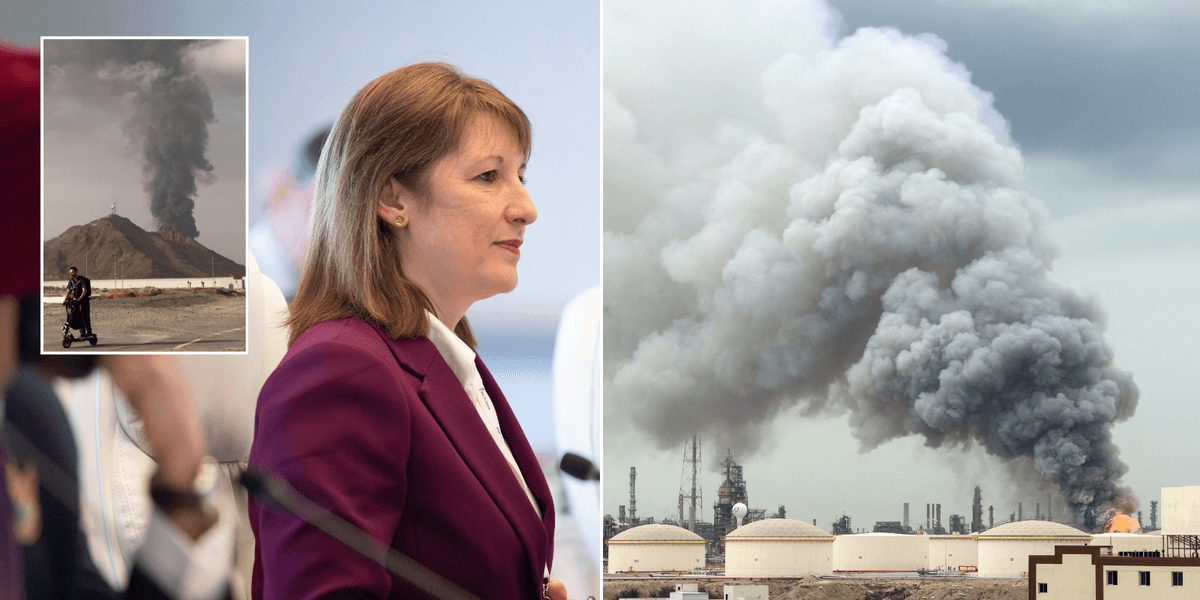
The Group of Seven’s (G7’s) finance ministers including Rachel Reeves are set to hold emergency talks today to address the oil price spike triggered by the war in Iran.
In a crunch call at 1.30pm today, ministers will weigh a coordinated release from strategic petroleum stockpiles managed by the International Energy Agency.
Three G7 nations, the US among them, have already signalled their backing for the proposal, the Financial Times reported on Monday.
The 32 IEA member countries maintain emergency reserves specifically designed for oil market crises.
Some American officials believe releasing between 300 million and 400 million barrels would be suitable, representing roughly a quarter of total reserves.
Brent crude, the global benchmark, surged 24 per cent during Asian trading on Monday, reaching $116.71 per barrel.
Prices later retreated following news of the G7 discussions, settling at $110.85, still up nearly 19 per cent.
West Texas Intermediate, the American marker, climbed 28 per cent to $116.45 before dropping back to approximately $108.
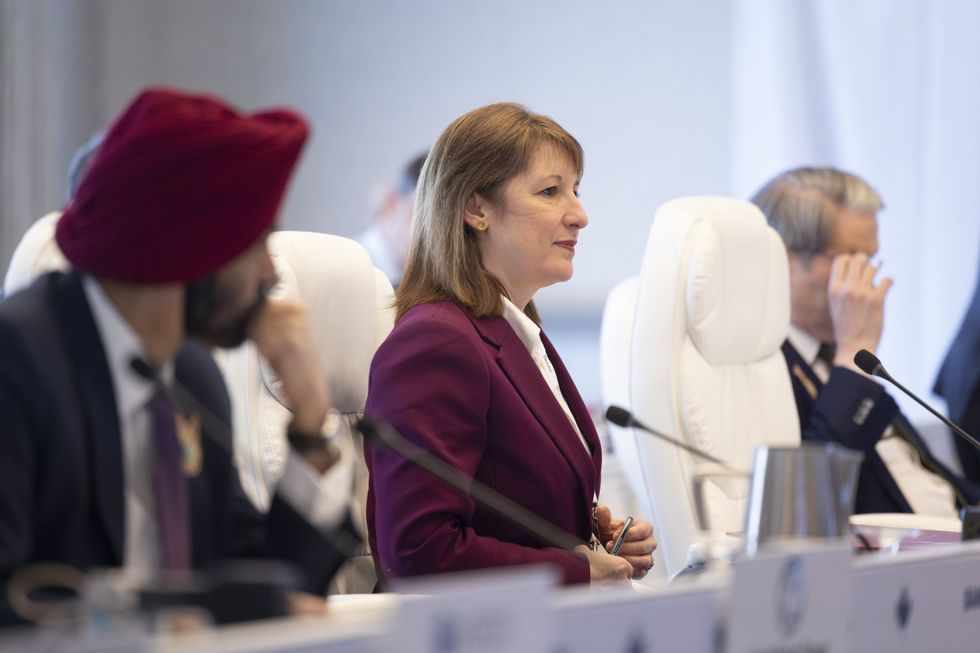
PICTURED: Rachel Reeves at the G7 summit in Canada last summer. She will discuss emergency oil measures with her counterparts in the group today
|
TREASURY
The average US petrol price has already jumped to $3.45 per gallon by Sunday, up from $2.98 just a week earlier.
Prices are expected to climb even higher unless the trend reverses.
Asian stock markets fell sharply on Monday as investors reacted to the oil surge.
US futures indices pointed to steep losses when American markets open, adding to financial market strain.
OIL MARKETS ON THE EDGE – READ MORE:
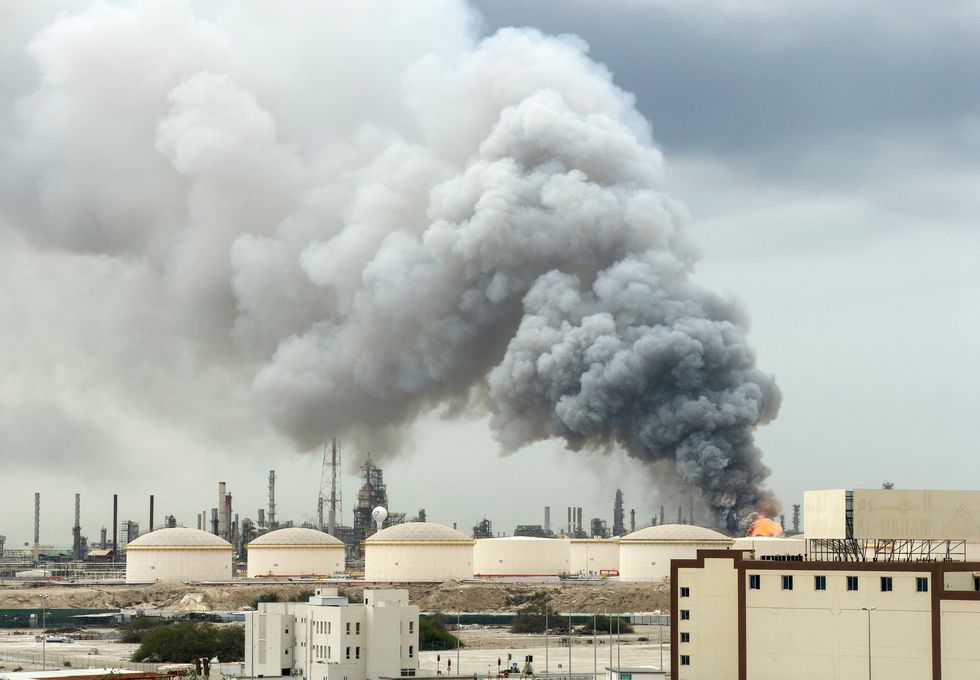
PICTURED: Smoke billows over an oil facility in Bahrain on Monday morning
|
REUTERS
The Trump administration’s willingness to consider tapping reserves represents a major U-turn from last week, when officials insisted stockpile releases were unnecessary.
Energy analysts said the record price increases left policymakers with little alternative.
On Truth Social on Sunday evening, Mr Trump dismissed concerns about rising oil costs.
“Short term oil prices, which will drop rapidly when the destruction of the Iran nuclear threat is over, is a very small price to pay for U.S.A., and World, Safety and Peace,” he wrote. “ONLY FOOLS WOULD THINK DIFFERENTLY!”
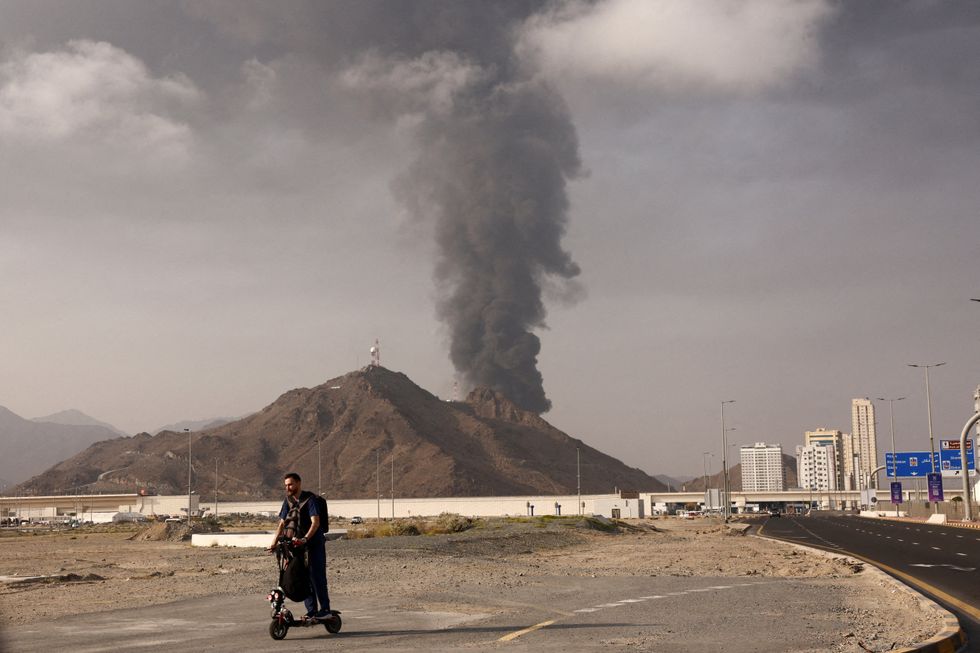
Fujairah in the UAE is another fossil fuels target hit by Iranian strikes
|
REUTERS
The IEA established its emergency petroleum stockpiles in 1974 after the Arab oil embargo caused prices to soar and sparked widespread fuel shortages.
Member states have collectively released reserves five times since then, most recently in 2022 following Russia’s invasion of Ukraine.
Qatar’s Energy Minister Saad al-Kaabi warned on Friday that the conflict could “bring down the economies of the world” and predicted Gulf exporters would halt production within days.
Some have already begun – with Kuwait cutting oil output on Saturday and declaring force majeure on shipments as the vital Strait of Hormuz remains blocked off.
Bahrain, on Monday morning, did the same.
IEA countries currently hold over 1.24 billion barrels in public stocks, plus roughly 600 million barrels in industry reserves.
These supplies could meet nearly a month of total IEA oil demand.