
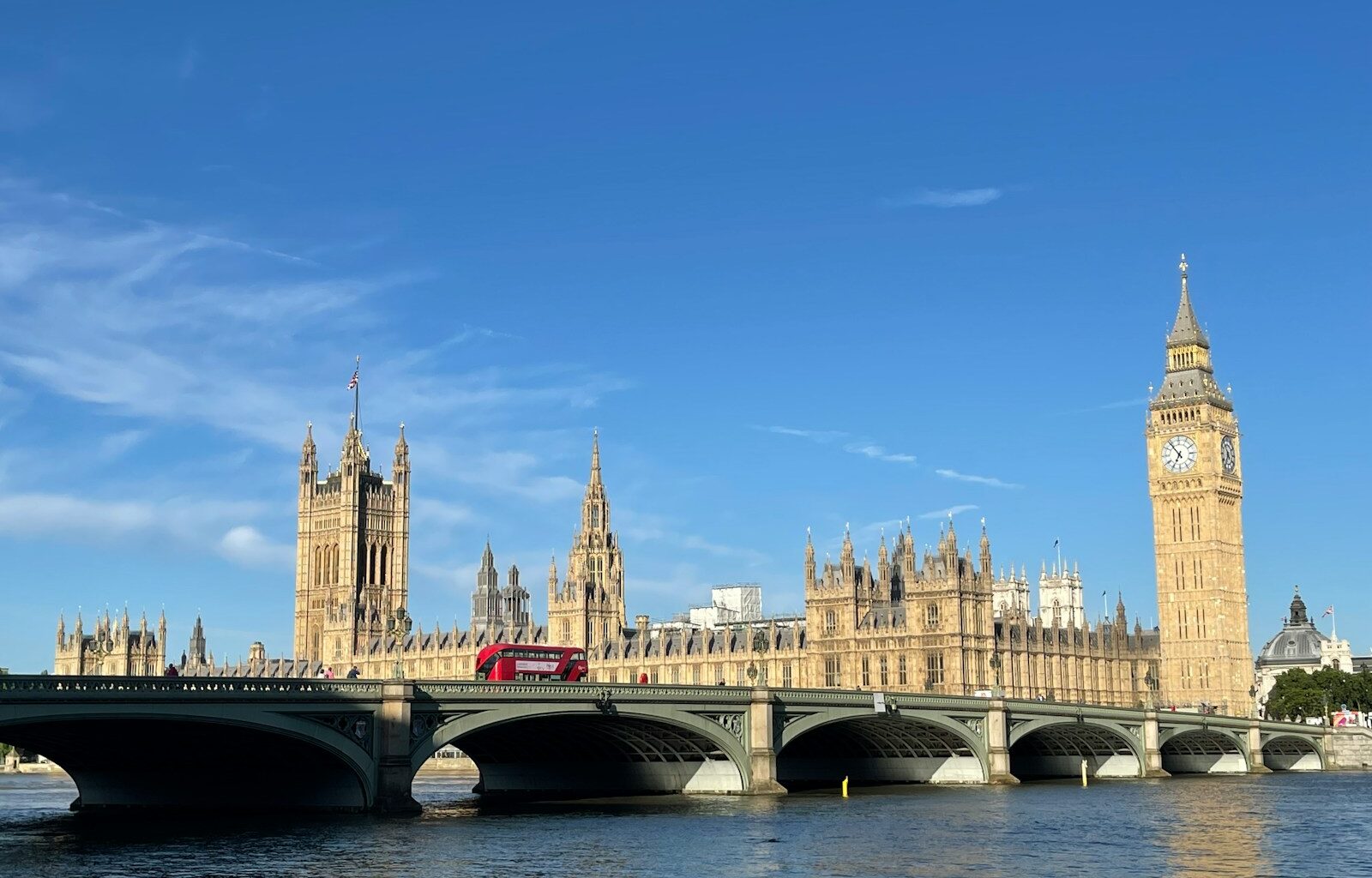
A House of Lords committee report on Friday warned that AI poses a “clear and present danger” to the UK’s creative industries. And one danger swiftly made itself very clear and present: the potential for a ‘commercial research exception’ for AI companies.
The Times reported that the British government is “considering” the idea, which would “allow AI companies to use copyrighted works without permission to develop their software” – and then only have to sign licensing deals if they then wanted to commercialise it.
Microsoft, Google and Meta are among the tech companies reportedly pushing for the exception, and as you’d expect, the music industry is pushing right back against it, mirroring a past battle to stave off a ‘text and data mining’ (TDM) exception for AI companies.
BPI chief strategy officer Sophie Jones warned that if the rumours of a reworked ‘commercial research exception’ are true “this is deeply troubling as it would give AI developers even more power to steal music for commercial purposes than the earlier mooted – and now discredited – TDM and opt-out”.
“It would either signal that the Government’s repeated pledges to protect the UK’s world leading creative industries were empty promises, or that they fail to understand the consequences of a step such as this,” added Jones, pointing to recent licensing deals between labels and AI companies as evidence of a better way.
“We recommend that Government focus on enabling this opportunity by implementing sensible record keeping measures, rather than on an ill-conceived, damaging and unnecessary weakening of copyright that would hamper growth just as the licensing market is developing.”
And so another AI lobbying battle commences, although the Times report did offer some encouragement to the music industry, suggesting that the culture and technology secretaries in the government may not be in favour of the commercial research exception idea.
That House of Lords report had some criticism of its own for the idea, suggesting that the tech companies calling for it may be trying to lower their legal risks “by weakening the current level of copyright protection”. Law firm Pinsent Masons has some useful analysis of that.
Let’s zoom out a bit – and quickly, as we suspect most Music Ally readers’ interest in the intricacies of UK copyright law and lobbying has its limits. What does this latest argument tell us about the bigger picture?
Well, it warns us off thinking that the various licensing deals signed in recent months aren’t a ‘job done, everything’s fine now’ moment. It’s not, for several reasons, including the fact that rightsholders now have to persuade musicians to opt in.
But another reason is that in most countries, the legislative picture is still very fluid, with some of the biggest tech companies in the world pushing hard for laws that may not wipe out the need for licensing with their AI models – but which could swing the negotiations for those deals firmly in their favour.
The other ongoing challenge is that this isn’t really just about music, or the creative sector. It’s about everything. Healthcare, defence, finance, security… And in some of those areas, the arguments for commercial research exceptions hold strong appeal to governments.
“You could go away and use generative AI now to help find a cure for cancer without requiring legislation that enables you to ingest all Taylor Swift’s music for free. The things are just unrelated,” pointed out IFPI boss Victoria Oakley at Music Ally Connect 2025.
The question – as shown by the latest row in the UK – is whether governments working to enable the cancer-curers won’t also open the gaping loopholes for the music-guzzlers. It’s a clear and present risk – but also a recurring one.
Related Stories