
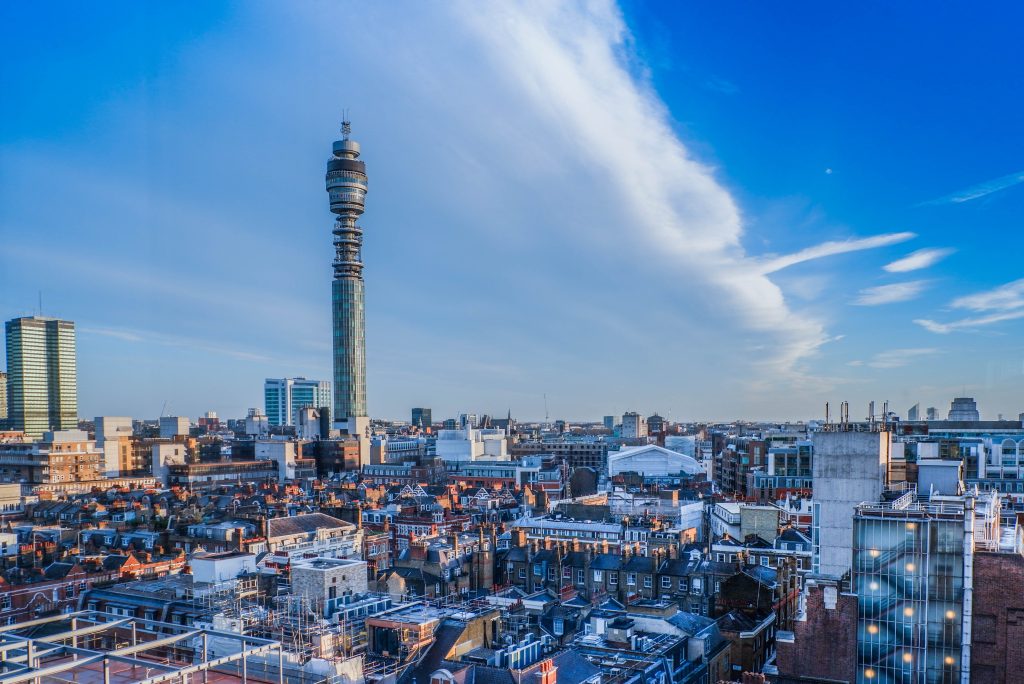
Thomas Heatherwick’s Camden-based studio was initially revealed as the architect tasked with overhauling the 177m-tall former telecommunications tower following the announcement in early 2024 that American hotel chain MCR had snapped up the Fitzrovia landmark.
But the AJ can exclusively reveal that AJ100 practice Orms has since taken over the job. The architect is set to reveal its initial concepts for the conversion during the first round of public consultation expected in May.
At the time MCR purchased the building from BT Group for £270 million, the telecoms firm said the deal would ‘preserve this iconic building for decades to come’.
It is understood that the conversion, which includes the blocks at the tower’s base, will reopen the landmark’s rotating restaurant for the first time since its closure in 1980.
Heatherwick Studio founder and design director Thomas Heatherwick had previously described the building as ‘extraordinary’, adding that the project was ‘an amazing opportunity to bring it back to life’.
Last week, a spokesperson for the practice told the AJ: ‘Heatherwick Studio and MCR had been working together on the development of the BT Tower. We are no longer involved and wish MCR every success for the future of the project.’
MCR has not explained why it has appointed ORMS to take the scheme forward. A statement released by MCR chair and chief executive Tyler Morse said: ‘The BT Tower is one of the most iconic buildings in the world. Our vision is simple: to bring the tower back into public use in a way that celebrates what makes it special and gives back to London. We’re excited!’
Orms has made a name for itself with its successful conversions of post-war and 20th-century London buildings, including what the AJ described as the ‘assured’ retrofit of Camden Council’s former 1970s Brutalist office in King’s Cross into a boutique hotel.
And while specific details of Orms’s proposals for the BT Tower have not yet been released, it seems the early design work has so far been well received by Historic England.
Tom Foxall, regional director at the government’s heritage watchdog said: ‘We are delighted that MCR is taking such a thoughtful approach to reusing and revitalising the BT Tower.
‘The emerging scheme will reinforce the significance of the Grade II-listed tower’s extraordinary architecture, ensuring its iconic presence remains on the London skyline, while also reconfiguring its internal spaces in ways that will bring both public enjoyment and economic growth.’
MCR operates almost 150 hotels, including The High Line Hotel, located inside a former Manhattan seminary, and the TWA Hotel, which sits within the former Flight Centre at JFK airport deigned by Eero Saarinen in 1962.
Morse previously explained that there were ‘many parallels between the TWA Hotel and the BT Tower [and] both are world-renowned, groundbreaking pieces of architecture’.
The BT Tower was completed in 1964 as the Post Office Tower. At 177m, it was London’s tallest building until 1980 when it was overtaken by the NatWest tower.
A planning submission is expected some time after the summer, however, work on site cannot start until BT has completed its decommissioning and removal of its equipment which is not scheduled until 2030.
History of an icon
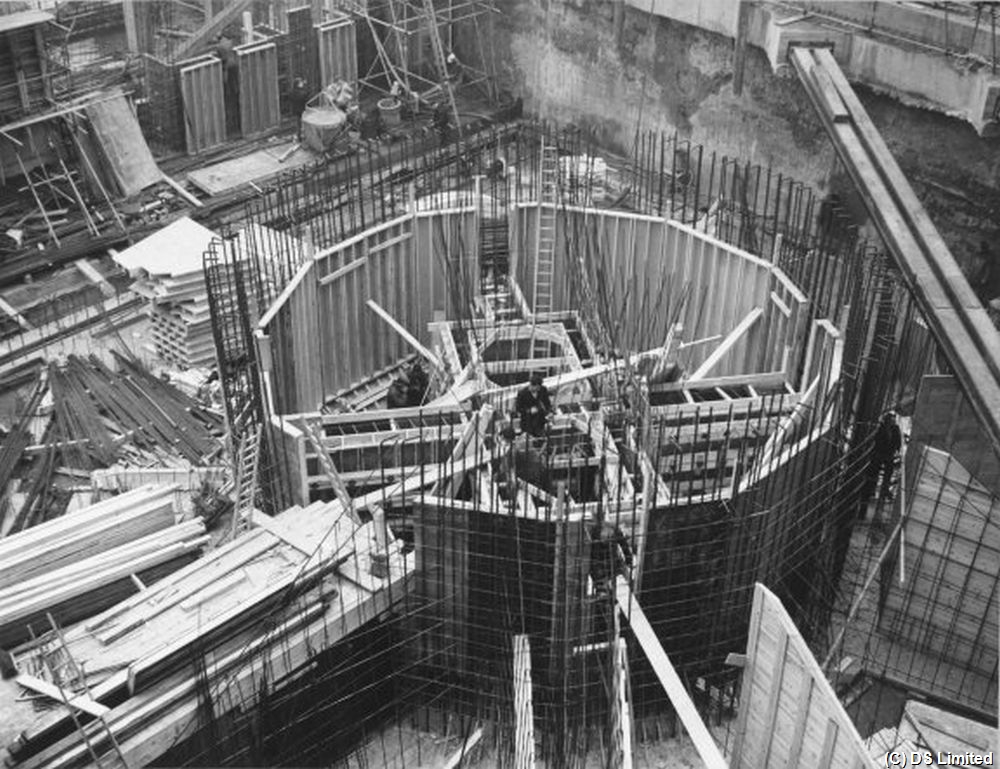
The Grade II-listed Fitzrovia communications tower was originally commissioned by the General Post Office to provide telecoms between London and the rest of the country. It was designed by architects at the Ministry of Public Building and Works.
Completed in 1964, the 177m Post Office Tower became the tallest structure in London – overtaking the Millbank Tower – remaining so until the NatWest Tower was completed in 1980. It was renamed the British Telecom Tower in the early 80s.
In 1971, it was extensively damaged by a bomb, allegedly planted by the IRA, which exploded in the roof of its tower-top restaurant.
After the bombing, the restaurant was closed to the public, while public access to the building was halted altogether from 1981. The tower has since been used for a handful of special events alongside its ongoing use as a major UK communications hub.
An early-noughties renovation introduced a 360-degree coloured lighting display to the rotating top of the tower, and in 2003 the glass-clad-concrete building was Grade II listed.
Source: BT Archive