
An independent group, led by former Conservative minister Dominic Grieve, was established by the government last year to provide advice on a definition of “anti-Muslim hatred/Islamophobia”.
This was in response to what the Ministry of Housing, Communities and Local Government called the “concerning rise in anti-Muslim hate crime, which has reached record levels”.
In December, the BBC saw a draft definition which did not include the term “Islamophobia”.
The definition is non-statutory, meaning it is not set in law or legally binding, but will provide guidance to public bodies on what constitutes unacceptable treatment of Muslims.
During the consultation, the EHRC said a new definition could cause “further harm to community cohesion if it is perceived as a threat to freedom of expression”.
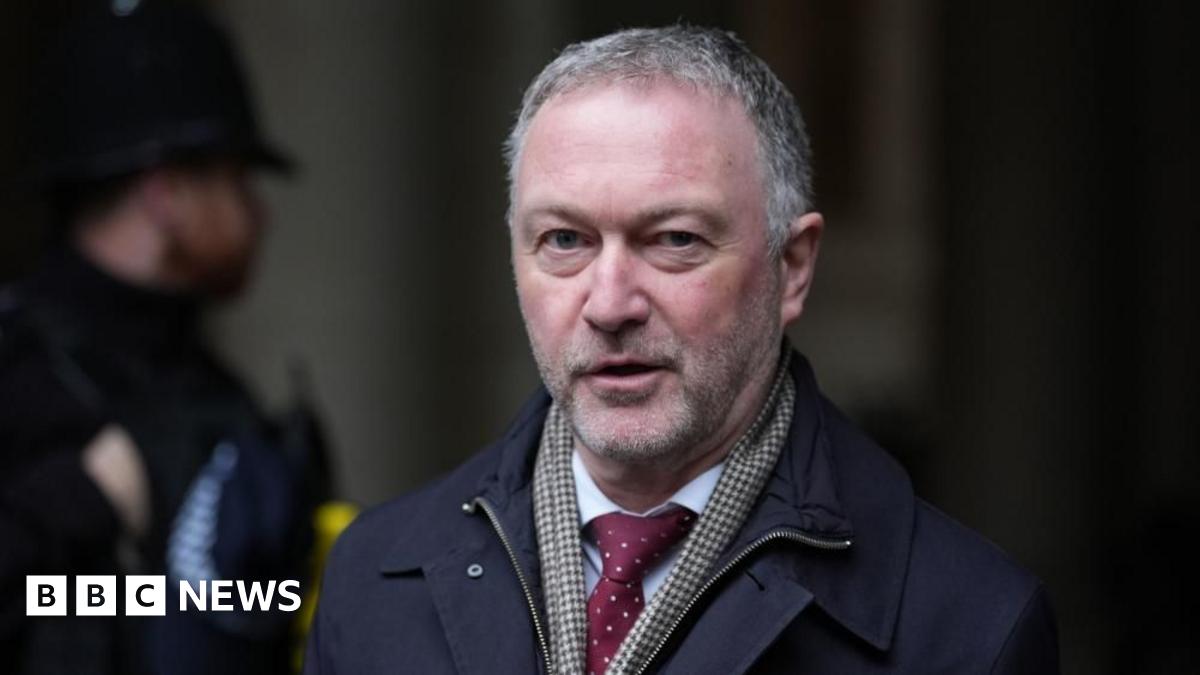
Reed said “if you can’t describe a problem you can’t do anything about it” as he defended the development of the final definition, which has yet to be published.
Asked why he had ignored the EHRC’s concerns, Reed told BBC Radio 4’s Today programme: “I didn’t ignore it, I share those concerns actually and the key point there was ‘if it stifles freedom of speech’ and it doesn’t.
“The task force came up wording that explains what causes hostility to Muslim people from the behaviours of others.
“But it in no way restricts people’s freedom and people’s rights to criticise religion in general, any religion in particular or even people for practising that religion.”
Reed said he believed a way of dealing with “legitimate concerns” had been found while protecting Muslims from the “scale of abuse that they’re facing”.
Of the total religious hate crime offences recorded by police in England and Wales in the year ending March 2025, 4,478 (45%) targeted Muslims – compared to 3,866 in 2023/24.
A breakdown of the “hate crime rate” in 2024/25 released by the Home Office showed 106 offences targeted Jewish people per 10,000 population and 12 offences per 10,000 Muslims.