
Nine years earlier, the law had been tightened after a gunman ran amok in the Berkshire town of Hungerford, killing 16 people.
The 1988 Firearms Amendment Act banned the ownership of semi-automatic and pump-action rifles, weapons which fire explosive ammunition and short shotguns with magazines.
Licensing, registration and storage of shotguns were also tightened up but handguns remained legal.
In 1997, under pressure from Dunblane families, Snowdrop campaigners and others, the Conservative Prime Minister John Major agreed to introduce a partial handgun ban in Scotland, England and Wales, with an exemption for .22 calibre weapons which are used in competitive shooting.
Later that year, following the election of Tony Blair as Labour prime minister, the ban was extended to cover all handguns.
For the Tories, Shadow Home Secretary Michael Howard, called it a “draconian” infringement of liberty which was “unnecessary, unfair and expensive”.
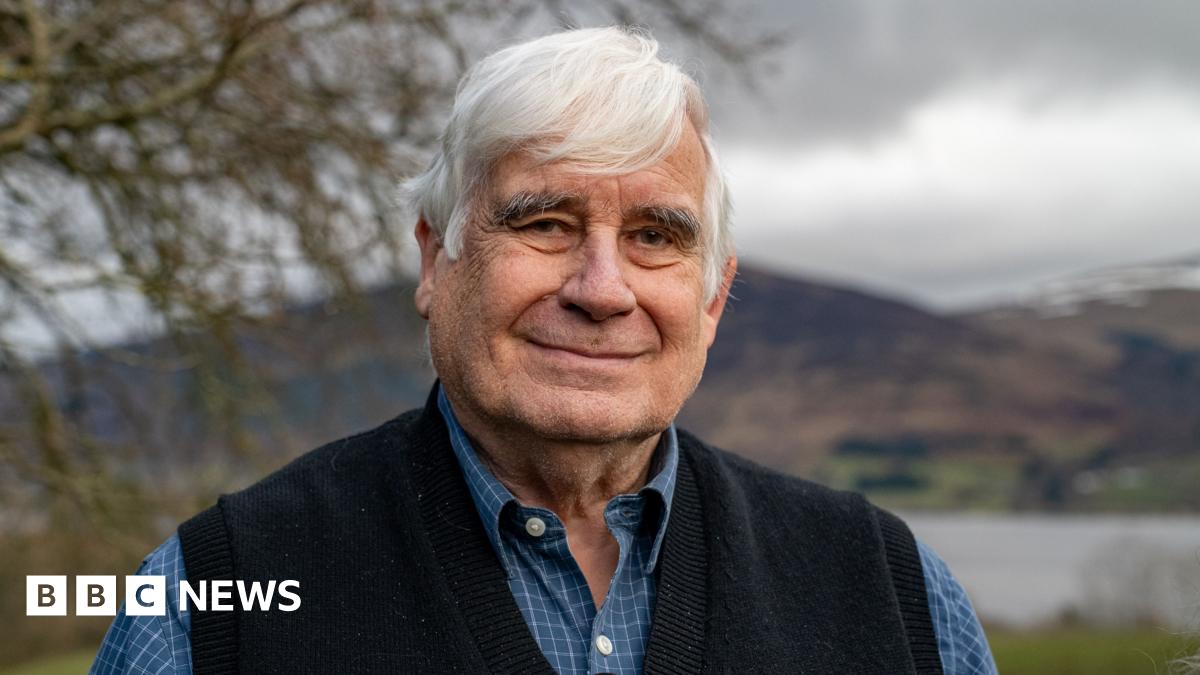
Thirty years on, North and Pearston do not hesitate when asked if the ban which they helped to bring about saved lives.
“Undoubtedly, yes,” North said, pointing out “the huge difference” with the United States where more people are murdered with guns daily than are shot and killed annually in Britain., external
“The legacy,” said Pearston, “is that this is now one of the safest countries in the world for gun crime.”