
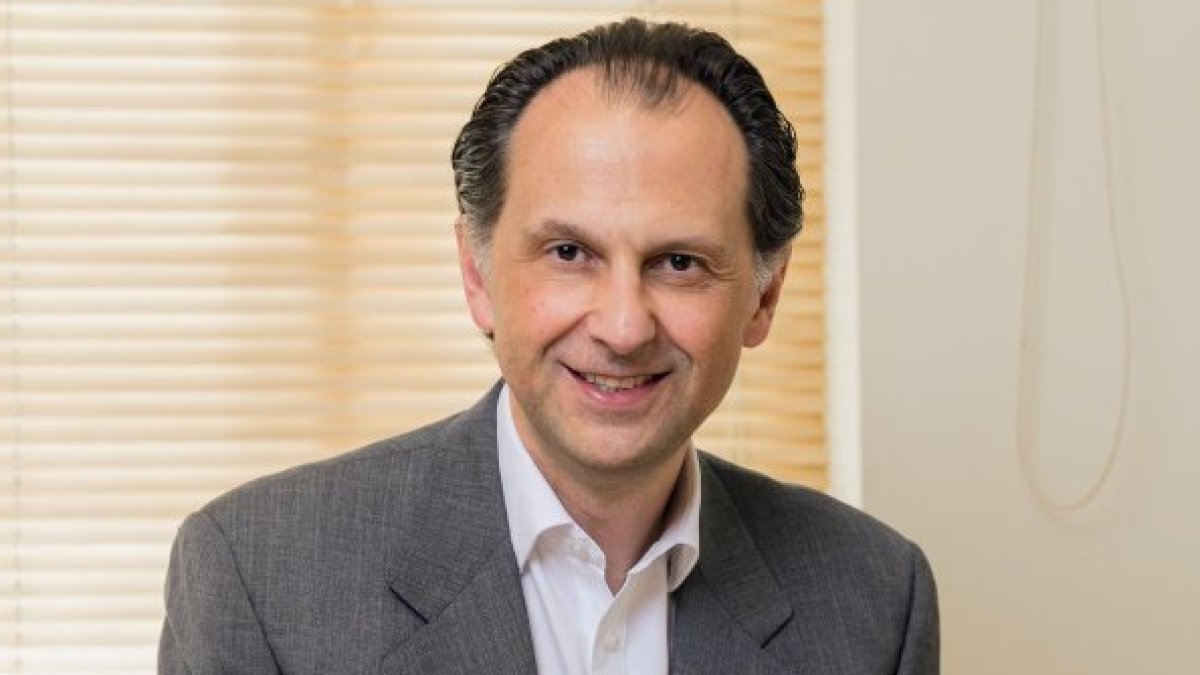
Dr Marc Laniado made a choice to be more mindful of his own health – here’s what he discovered, from ‘exercise snacking’ to the value of pet friends
Consultant urological surgeon Dr Marc Laniado, 61, a member of The Focal Therapy Clinic, practises in hospitals in Windsor and Harley Street. With more than 25 years of experience dedicated to prostate care, he conducts over 200 biopsies a year.
“I didn’t wake up on my 50th birthday as a different person, but I did become more deliberate,” he says. “I spend my working life treating the downstream effects of ageing, metabolic disease and late diagnosis. Hitting my fifties made me think: ‘If I want to stay sharp in theatre, protect my heart and brain, and still have energy left for family life, I need a plan that is boringly consistent.’”
A new report by Cancer Research UK has found that the rates of people dying from cancer are at their lowest on record. And though prostate cancer mortaility rates have fallen by 11 per cent in the past decade, it remains the third most common cancer death in British men. Here, Dr Laniado shares some tangible changes he made to better look after his own health on entering his fifties, and why he made them during this decade.
Food can stack the odds in your favour
I moved from “generally healthy eating” to a structured pattern I can stick to. I follow a Mediterranean, Mind-style approach (“Mind” stand as for the Mediterranean-DASH Diet Intervention for Neurodegenerative Delay – which targets ageing-brain health]. I use ZOE principles to guide me. In real terms, that means predominantly plant-based meals, plenty of legumes, nuts, leafy greens, berries and extra-virgin olive oil, plus aiming for 30+ different plants a week.
New FeatureIn ShortQuick Stories. Same trusted journalism.
Midlife is when the long-game risks start to compound, and the dietary patterns linked with better cardiometabolic health also seem to support cognitive health. I’m careful not to oversell it, though. It is not a guarantee, it is a sensible direction of travel that stacks the odds in your favour.
Gut health is practical – not trendy
I became much more intentional about gut health. I now have fermented foods most days, often three to five “doses”; kefir, kimchi, kombucha; and I include fibre deliberately, including psyllium husk.
Part of my motivation was very practical: when I’m operating and running clinics, I need stable energy and good digestion. There is also emerging evidence that supporting the gut microbiome may influence inflammation and metabolic health, and those are two themes that matter a lot as we get older.
‘Measure properly, intervene early’
I got more serious about cardiovascular prevention, and I started treating it like a cancer prevention mindset: measure properly, then intervene early. I check my blood pressure at home (it’s usually around 110/70) and I follow my lipids more closely than I did in my forties. I look at ApoB and Lp(a) because they help refine risk, rather than relying only on a single cholesterol number.
ApoB (apolipoprotein B) estimates how many cholesterol particles are circulating that can get into artery walls and form plaque. LDL cholesterol tells you how much cholesterol is being carried, but ApoB gets closer to the number of particles doing the carrying. Lifetime exposure to high ApoB levels increases risk, so keeping it low is important. Lp(a), or lipoprotein(a), is a type of LDL-like particle that is largely genetic. Lifestyle barely changes it. If it’s high, it increases cardiovascular risk even when other numbers look fine, so knowing it helps me decide how aggressively to manage other risk factors. One of the other reasons I include psyllium husk in my diet is because it can help some people manage cholesterol, too.
That prevention mindset is also why I started lipid-lowering medication. I take rosuvastatin and ezetimibe. Rosuvastatin is a statin and mainly reduces cholesterol production in the liver. Ezetimibe is not a statin and works in the gut by reducing cholesterol absorption. They’re complementary, which is why they’re often paired when you want more LDL or ApoB lowering than a statin alone achieves.
In my fifties, I became less interested in the idea that medication is a “last resort” and more interested in what reduces risk in the real world for the right person, alongside lifestyle. I don’t see statins as a failure. I see them as one of the most evidence-based tools we have, when the numbers and the individual risk profile support it.
Approach screenings mindfully
I did the Galleri multi-cancer blood test in the US and it was negative, which was reassuring, but I don’t treat it as a clean bill of health. Galleri is an early detection test. It looks for signals in cell-free DNA in your bloodstream that can be associated with cancer, and if it finds one, it tries to suggest where in the body it’s coming from to guide further investigation.
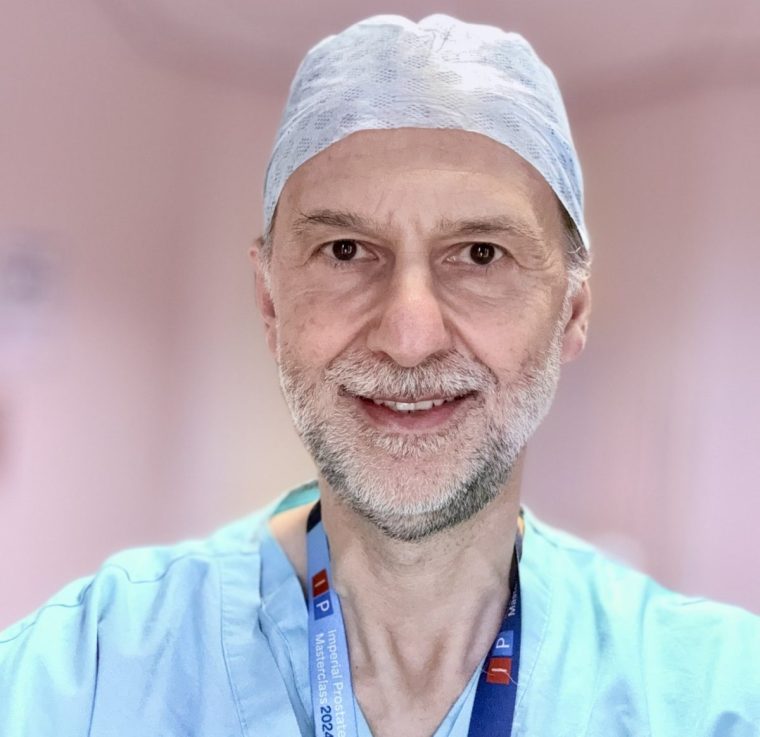 ‘I’m a big believer in men having an informed conversation about PSA testing as they get older,’ says Dr Marc Laniado
The important caveat is that it’s a screening test, not a diagnosis. It doesn’t detect every cancer, it can miss early-stage disease, and it can produce false positives and false negatives. For me, it was an extra layer of screening, not a replacement for established programmes. So I participate in colorectal cancer screening with the FIT test and choose to have PSA (prostate-specific antigen) testing, as I believe it is useful. PSAs can pick up prostate cancer earlier, which widens treatment options, but it’s prostate-specific, not cancer-specific. It can rise for lots of non-cancer reasons, including benign enlargement, inflammation, infection, recent ejaculation and cycling. Used on its own, it can miss some cancers, and it risks overdiagnosis of slow-growing disease that might never have caused harm.
These tests are evolving and they do not replace established screening programmes or sensible symptom awareness. In practical terms, I’m strict about following invitations like bowel screening, and I’m a big believer in men having an informed conversation about PSA testing as they get older, understanding both the benefits and the limitations.
A three-lane approach to fitness
I changed how I exercise. I still do HIIT because it’s time-efficient and I enjoy it, but after a ruptured meniscus and surgery I became more strategic. I think in three lanes now: aerobic fitness, strength, and daily movement. I’m more protective of my joints, more respectful of recovery, and more consistent with resistance work because muscle mass and strength become increasingly protective with age.
Walking is the most reliable decompressor in my week and it’s genuinely achievable even when work is intense. I also make a habit of walking up and down stairs as much as possible.
In one of the hospitals, I have five flights between the operating theatres and the ward. I walk or sometimes run up these between cases as “exercise snacks”. I try to do as many short bursts of intense activity during the day as possible, which is known as vigorous intermittent lifestyle physical activity (Vilpa).
Know common risk factors
I still have one or two glasses of red wine a week, but I don’t drink during the week because of my work. As a cancer surgeon, I know the evidence that alcohol contributes to cancer as well as other risks.
I also apply sunscreen most of the year, although I’m not as disciplined in winter as I should be. Midlife is when cumulative sun exposure catches up, and I’m trying to make it automatic when I know I’ll be outdoors for prolonged periods.
Supplements are not a substitute
I divide my supplements into “foundations” and “nice-to-haves.” I take omega-3 (EPA and DHA), vitamin D with K2, creatine, collagen peptides and a handful of other blends. I’m also a realist about supplements. They can support diet, training and recovery, but they are not a substitute for food quality, sleep and stress management. I also take L-theanine and ashwagandha when I remember, mostly as a gentle nudge for calm rather than anything dramatic.
I also take carbon-dioxide-extracted saw palmetto, too. Saw palmetto is a supplement from the berries of the Serenoa repens plant, most commonly taken for urinary symptoms linked with an enlarged prostate. “Carbon dioxide extracted” refers to using pressurised CO2 rather than chemical solvents to produce a lipid-rich extract with consistent composition. Given what I do professionally, I have an obvious interest in prostate health, and I’m comfortable taking low-risk interventions alongside evidence-based medicine. That said, the research is mixed.
Prioritise time with family and pets
Finally, I started treating calm and connection as health practices rather than luxuries. My NHS and private workload can swallow the week if I let it, so I make an effort to build family contact into it. When I remember, I do a few minutes of breathwork before surgery because it reliably lowers my stress response and improves focus. Walking my two-year-old grey Lab in Windsor Great Park is probably the most consistent wellbeing habit I have, and our cats keep home life light-hearted.